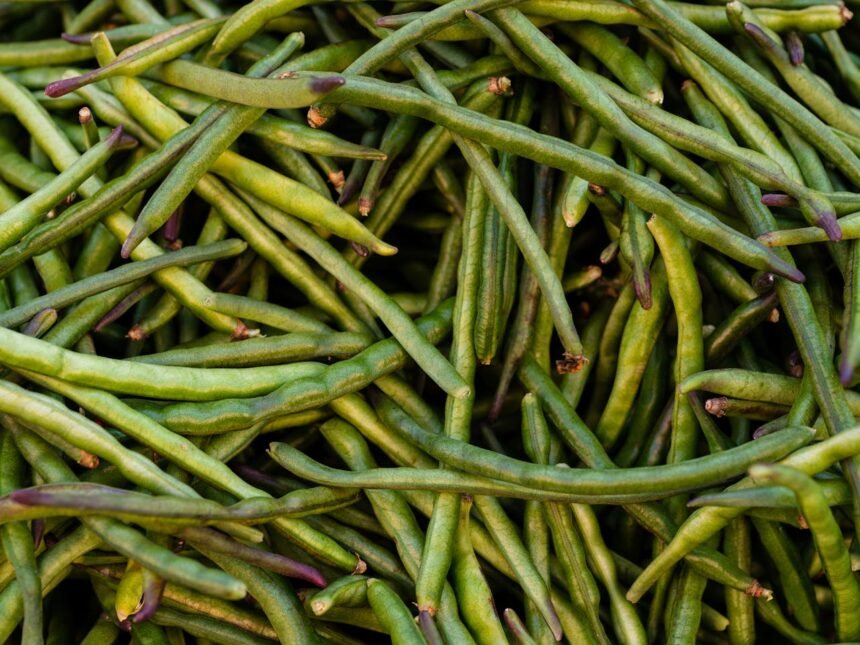
Green beans are a staple in many households, often appearing as a reliable side dish alongside a Sunday roast or a quick weeknight stir-fry. Also known as string beans, snap beans, or French beans (haricots verts), these vibrant vegetables are technically legumes, although they are harvested while the beans are still young and tender inside the pod.
While they are frequently praised for their low calorie count and crunch, the specific profile of green bean vitamins makes them a formidable ally for your immune health. In a world where we are increasingly conscious of bolstering our body’s natural defences, understanding the nutritional density of your diet is paramount.
It is easy to underestimate the humble green bean. However, strictly looking at the science, they offer a complex matrix of antioxidants, fibre, and essential micronutrients.
This article explores the comprehensive nutritional benefits of green beans, focusing on how their vitamin content supports the immune system, and provides practical advice on how to incorporate them into your diet effectively.
The Nutritional Profile: More Than Just Crunch
Before delving into the specific mechanisms of immune support, it is helpful to understand exactly what is contained within a serving of these legumes. Green beans are nutrient-dense, meaning they provide a high amount of vitamins and minerals relative to their calorie count.
According to the USDA FoodData Central, a standard cup (approximately 100 grams) of raw green beans contains roughly:
| Nutrient | Amount | % Daily Value (DV) |
|---|---|---|
| Calories | 31 kcal | – |
| Fibre | 2.7 g | 11% |
| Vitamin C | 12.2 mg | 14% |
| Vitamin K | 14.4 mcg | 12% |
| Vitamin A | 690 IU | 14% |
| Folate (B9) | 33 mcg | 8% |
| Manganese | 0.2 mg | 9% |
Beyond these macronutrients and primary vitamins, green beans are rich in beneficial plant compounds called phytonutrients, including flavonoids and carotenoids, which act as potent antioxidants.
Key Green Bean Vitamins for Immunity
The phrase “eat your greens” exists for a reason. The specific combination of green bean vitamins creates a synergistic effect that benefits the immune system more than taking isolated supplements might.
1. Vitamin C: The First Line of Defence
Perhaps the most well-known immunity booster, Vitamin C (ascorbic acid) is abundant in green beans. A single serving provides a significant portion of your daily requirement.
Vitamin C is water-soluble and acts as a powerful antioxidant. According to the NHS, it helps to protect cells and keeps them healthy. Biologically, it supports the production and function of white blood cells (lymphocytes and phagocytes), which help the body fight infection.
Furthermore, Vitamin C is essential for the skin’s defence system. It acts as an antioxidant barrier against environmental oxidative stress. Without adequate levels, wound healing is impaired, creating potential entry points for pathogens.
2. Vitamin A: Protecting Mucosal Barriers
Green beans are a good source of provitamin A carotenoids, specifically beta-carotene, which the body converts into retinol (active Vitamin A).
While Vitamin C gets the glory for fighting colds, Vitamin A is equally crucial for preventing them. The National Institutes of Health (NIH) highlights that Vitamin A is critical for maintaining the integrity of mucosal barriers in your eyes, lungs, and gut. These mucous membranes trap bacteria and other infectious agents.
If you are deficient in Vitamin A, the lining of your respiratory and digestive tracts can weaken, making you more susceptible to infections.
3. Folate (Vitamin B9): Cellular Support
Folate is often associated with pregnancy, but it is vital for everyone. It plays a key role in the synthesis of DNA and RNA. For the immune system, this is critical because immune cells must divide and replicate rapidly when an invader is detected.
Adequate folate intake ensures that your body can produce new cells efficiently during an immune response. Green beans provide a healthy dose of this B-vitamin without the heavy caloric load of other folate-rich foods like breads or cereals.
The Gut-Immune Connection
It is impossible to discuss immunity without mentioning the gut. Approximately 70% of the immune system resides in the gut-associated lymphoid tissue (GALT).
Green beans are an excellent source of dietary fibre. There are two types of fibre, soluble and insoluble, and green beans contain both.
- Soluble fibre: Feeds the beneficial bacteria in your microbiome.
- Insoluble fibre: Helps bulk up stool and keeps digestion moving.
When your gut bacteria ferment the fibre from green beans, they produce Short-Chain Fatty Acids (SCFAs). As noted by Harvard T.H. Chan School of Public Health, a diet high in fibre lowers inflammation and strengthens the gut barrier, preventing systemic inflammation that can distract the immune system from fighting acute threats.

Manganese and Antioxidants
While not a vitamin, the mineral manganese found in green beans works in tandem with vitamins to support health. Manganese is a cofactor for the antioxidant enzyme superoxide dismutase (SOD), which is one of the most important antioxidant systems in the body.
Green beans also contain flavonoids like kaempferol and quercetin. A study available via PubMed suggests that these antioxidants help combat oxidative stress, reducing chronic inflammation and allowing the immune system to function optimally.
Fresh, Frozen, or Tinned: Does It Matter?
To maximise the intake of green bean vitamins, how you purchase and store them matters.
- Fresh: Ideally, fresh beans are best if eaten within a few days of harvest. However, Vitamin C degrades rapidly after picking.
- Frozen: Often superior to “old” fresh beans. They are flash-frozen at peak ripeness, locking in the Vitamin C and A. Healthline notes that frozen vegetables retain most of their nutrient profile and are a convenient option.
- Tinned (Canned): These are processed with heat, which can destroy some heat-sensitive Vitamin C. They may also contain added sodium. If choosing tinned, opt for “no added salt” varieties and rinse them thoroughly.
Preparation Matters: Keeping the Nutrients In
How you cook your green beans can significantly impact their nutritional value. Boiling green beans for a long period results in water-soluble vitamins (C and B-complex) leaching out into the cooking water.
According to the Academy of Nutrition and Dietetics, the best methods for nutrient retention include:
- Steaming: Keeps the beans out of the water, preserving Vitamin C.
- Microwaving: Uses little water and a short cooking time.
- Blanching: Briefly boiling and then plunging into ice water to stop the cooking process.
Practical Tips for Adding Green Beans to Your Diet
Incorporating green beans is simple. They are versatile and mild in flavour, making them suitable for various cuisines.
- The Salad Crunch: Blanch fresh beans and add them to a Nicoise salad for texture and folate.
- The Roast: Toss with olive oil, lemon juice, and garlic, then roast until tender-crisp. The fat in olive oil helps absorb the fat-soluble Vitamin A and Vitamin K.
- Stir-fry: Add them toward the end of a stir-fry to maintain their crunch and vitamin content.
- Snacking: Raw green beans can be eaten like carrot sticks with hummus, though some people find raw legumes difficult to digest.
Potential Downsides and Considerations
While green beans are generally safe and healthy, there are minor considerations for certain individuals.
Vitamin K and Blood Thinners
Green beans contain Vitamin K1, which plays a role in blood clotting. For individuals taking blood-thinning medication such as Warfarin, sudden changes in Vitamin K intake can interfere with the medication’s effectiveness. The Mayo Clinic advises maintaining a consistent intake rather than avoiding green vegetables entirely.
Lectins and Phytates
Like all legumes, green beans contain lectins and phytates, which are sometimes called “antinutrients” because they can bind to minerals. However, these are largely reduced by cooking. Boiling or steaming green beans deactivates most lectins, making them safe for digestion.
The Bottom Line
Green beans are far more than a filler vegetable. They are a robust source of essential nutrients, specifically Vitamin C, Vitamin A, and folate, all of which are critical for a responsive and resilient immune system.
The green bean vitamins work synergistically with fibre and antioxidants to lower inflammation and protect the body from oxidative stress. To get the most benefit, opt for fresh or frozen beans and cook them lightly—steaming is preferable to boiling.
By adding this humble legume to your weekly rotation, you are providing your body with the tools it needs to maintain a strong barrier against illness. Whether sourced from the local grocer or the freezer aisle, green beans are a smart, accessible choice for long-term health.
External Resources
- USDA FoodData Central: Green Beans
- Healthline: Green Beans Nutrition and Benefits
- NHS: Vitamin C Functions
- NIH: Vitamin A Fact Sheet
- Harvard T.H. Chan: The Nutrition Source – Fibre
- PubMed: Flavonoids and Immune Health
- Mayo Clinic: Vitamin K and Warfarin
- Academy of Nutrition and Dietetics: Nutrient Retention in Cooking
- British Nutrition Foundation: Nutrition and Immunity
- Cleveland Clinic: Folate Benefits