The age-old adage of getting your “beauty sleep” is far more than a fairy tale cliché. It is a biological necessity. While we often obsess over serums, retinoids, and ten-step routines, the most potent skincare ingredient is arguably the one we get for free: sleep. In a world that glorifies the hustle, sacrificing rest has become a badge of honor, but your complexion tells a different story. Understanding the profound beauty sleep benefits for skin can transform your approach to anti-aging and overall dermatological health.
When you drift off, your body doesn’t just shut down; it shifts into a high-gear recovery mode. This nocturnal maintenance is essential for repairing the damage incurred during the day from UV rays, pollution, and stress. In this comprehensive guide, we will explore the science of sleep, how it specifically rejuvenates your epidermis, and practical ways to maximize your nightly restoration.
The Science Behind the Slumber: Circadian Rhythms and Repair
Your skin operates on a circadian rhythm, much like your sleep-wake cycle. During the day, skin functions in “defense mode,” protecting itself from environmental aggressors. At night, it switches to “repair mode.” This synchronization is crucial for maintaining a healthy barrier and a youthful glow.
According to the National Institute of General Medical Sciences, circadian rhythms are physical, mental, and behavioral changes that follow a 24-hour cycle. These natural processes respond primarily to light and dark. When we disrupt this rhythm through poor sleep hygiene, we disrupt the skin’s ability to heal.
The Role of Human Growth Hormone (HGH) and Melatonin
During deep sleep (specifically stage 3 non-REM sleep), your body produces the highest levels of Human Growth Hormone (HGH). This hormone is responsible for cell regeneration and the repair of body tissues. Without adequate deep sleep, the repair process is stunted, leading to accelerated aging.
Simultaneously, melatonin—known as the sleep hormone—acts as a powerful antioxidant. As noted by PubMed Central studies, melatonin suppresses ultraviolet (UV)-induced damage to skin cells and exerts strong antioxidant activity, neutralizing free radicals that cause oxidative stress.
Unlocking the Beauty Sleep Benefits for Your Skin
When you prioritize 7 to 9 hours of quality rest, the results are visible. Here are the primary ways sleep enhances your complexion.
1. Boosted Collagen Production
Collagen is the structural protein that keeps skin firm and plump. Because collagen synthesis peaks during sleep, chronic sleep deprivation can lead to the breakdown of this vital protein. Adequate rest prevents sagging and the formation of fine lines.
2. Reduced Inflammation and Breakouts
Lack of sleep causes a spike in cortisol, the stress hormone. High cortisol levels signal the body to produce more oil (sebum), which can clog pores and lead to acne. By keeping cortisol in check through rest, you reduce systemic inflammation. The Mayo Clinic highlights how unmanaged stress (and the resulting cortisol) effects the body’s ability to function, including immune responses in the skin.
3. Balanced Hydration
While you sleep, your body rebalances its hydration levels. The skin recovers moisture, while excess water in the body is processed for removal. Poor sleep disrupts this balance, leading to puffiness under the eyes and dryness elsewhere. This phenomenon is why you might wake up looking “tired” with dark circles and dehydrated cheeks.
Comparative Analysis: Sleep Quality vs. Skin Health
To visualize the impact, the following table compares the physiological skin state of an individual with adequate sleep versus one with chronic sleep deprivation.
| Physiological Metric | Optimal Sleep (7-9 Hours) | Sleep Deprived (<6 Hours) |
|---|---|---|
| Cortisol Levels | Low (Anti-inflammatory state) | High (Pro-inflammatory state) |
| Collagen Synthesis | Peak production/Repair active | Inhibited/breakdown accelerates |
| Skin Barrier Function | Strong recovery rate | Weakened (Higher sensitivity) |
| Blood Flow | Increased flow to skin (Glowing) | Restricted flow (Pallor/Dullness) |
| pH Balance | Balanced moisture retention | Imbalanced (Prone to dryness) |
The Fallout of Sleep Deprivation
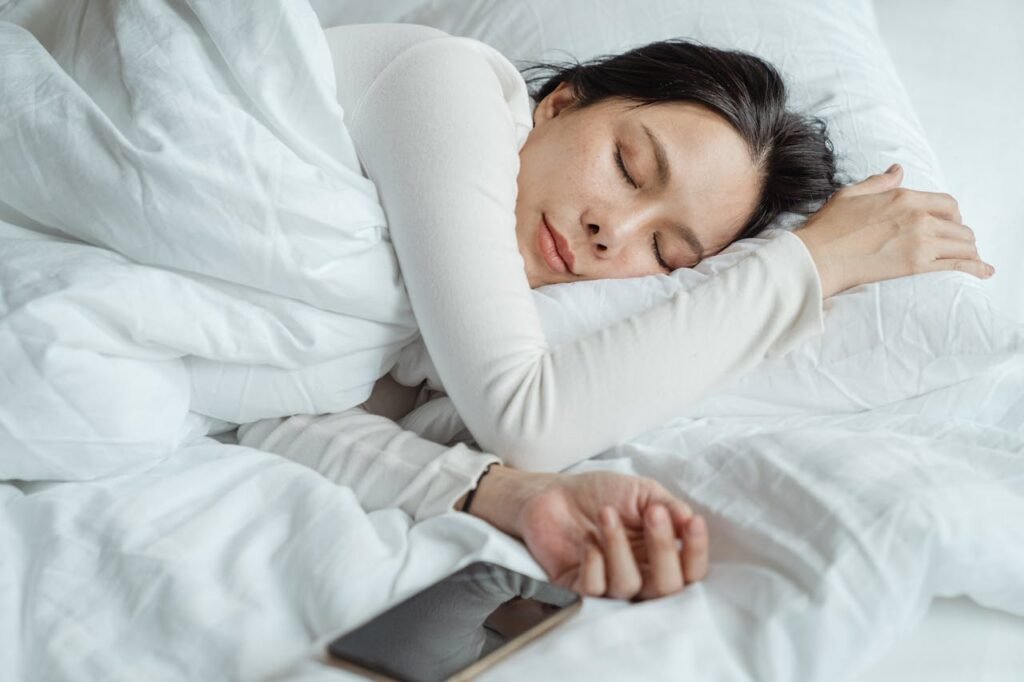
Skipping sleep does not just make you feel groggy; it accelerates intrinsic aging. A study commissioned by Estée Lauder at the University Hospitals Case Medical Center found that poor sleepers had increased signs of skin aging and slower recovery from a variety of environmental stressors, such as disruption of the skin barrier or UV radiation.
According to the CDC, a significant portion of adults do not get the recommended amount of sleep. This widespread deprivation is a contributing factor to the rise in adult acne and premature aging concerns seen by dermatologists today. When the skin barrier is compromised due to lack of rest, it becomes more susceptible to irritants and bacteria.
Actionable Tips to Maximize Your Nightly Repair
To truly harness the beauty sleep benefits for skin, you need to optimize your environment and routine.
1. Perfect Your Sleep Hygiene
- Cool Temperature: Keep your room cool (around 65°F or 18°C). This mimics the body’s natural temperature drop at night, facilitating deeper sleep.
- Digital Detox: The Sleep Foundation warns that blue light from screens suppresses melatonin. Put phones away at least an hour before bed.
2. Sleep Position Matters
Gravity plays a role in aging. Sleeping on your stomach or side creates friction between your face and the pillow, leading to “sleep wrinkles.” The American Academy of Dermatology suggests sleeping on your back to avoid these compression lines.
3. Upgrade Your Bedding
If you cannot sleep on your back, consider a silk or satin pillowcase. Unlike cotton, which is absorbent and can pull moisture from your face, silk causes less friction and helps your skin retain hydration.
4. The Nighttime Skincare Routine
Maximize the repair window with ingredients that support regeneration.
- Retinoids: These vitamin A derivatives speed up cell turnover.
- Hyaluronic Acid: Since transepidermal water loss increases at night, use humectants to lock in moisture.
- Ceramides: Essential for repairing the skin barrier.
Expert advice from Cleveland Clinic suggests layering your products from thinnest to thickest to ensure optimal absorption.
Conclusion: Prioritize the Pillow
The pursuit of flawless skin often leads us to expensive counters and clinical treatments, yet we frequently neglect the biological foundation of beauty: sleep. The beauty sleep benefits for skin—from collagen synthesis to inflammation reduction—are unmatched by any topical cream alone. By viewing sleep as a non-negotiable part of your skincare regimen, you invest in your long-term health and aesthetic vitality.
Tonight, instead of scrolling through your phone or binge-watching another episode, choose to invest in yourself. Turn off the lights, lay back, and let your body perform its miraculous work. Your skin will thank you in the morning.