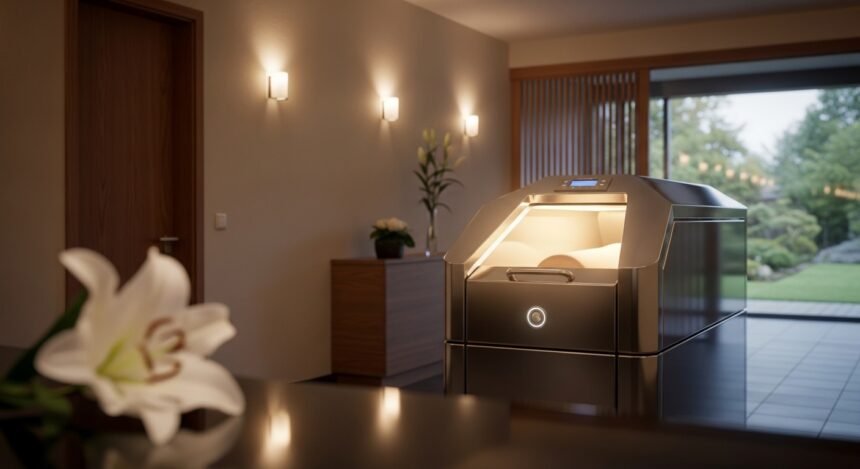
When it comes to end-of-life choices, most of us are familiar with the traditional options: a burial in a local cemetery or a standard flame cremation. However, as we become more conscious of our environmental impact, a newer, gentler alternative is gaining momentum. Known scientifically as alkaline hydrolysis, but more commonly referred to as water cremation, this process offers a way to return to the earth with a significantly smaller carbon footprint.
If you are exploring ways to ensure a sustainable deathcare plan for yourself or a loved one, understanding the nuances of this method is essential. At a time when grief and bereavement can feel overwhelming, having clear, empathetic information about your options can provide a sense of peace. You can find support for the emotional aspects of loss through the NHS bereavement portal.
What Exactly Is Water Cremation?
Water cremation is a process that uses water, heat, and a small amount of potassium hydroxide to accelerate the natural decomposition of the body. While flame-based cremation uses extreme heat to reduce the body to ashes, this method uses a solution of 95% water and 5% alkali to gently dissolve soft tissue.
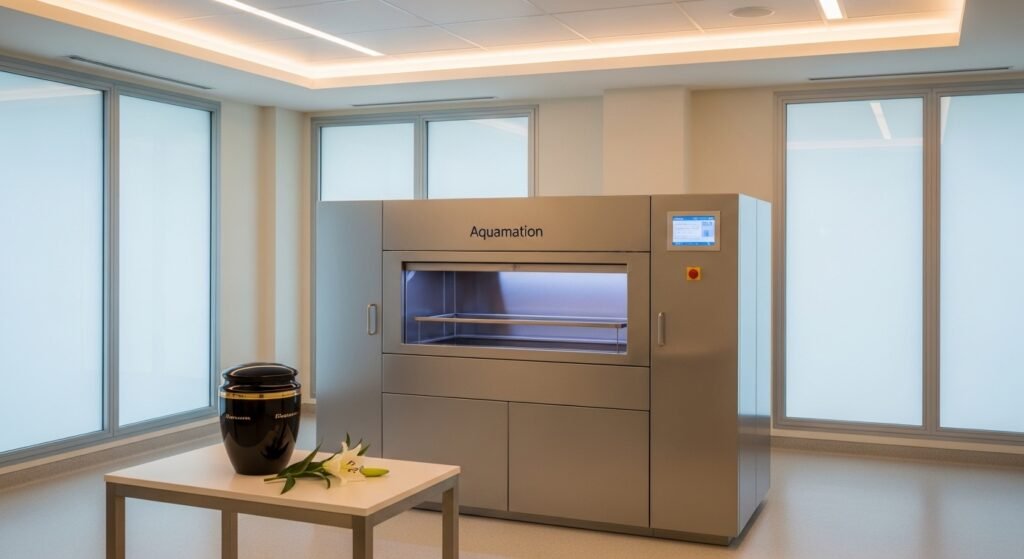
Often called aquamation or resomation, the process takes place in a specialised stainless steel chamber. It mimics the natural breakdown that occurs during a traditional burial but completes the process in a matter of hours rather than decades. This innovative approach is quickly becoming a focal point in the modern funeral industry as people seek more eco-friendly funeral alternatives.
According to the Cremation Association of North America, the technology has been used in various medical and scientific settings for years before being adapted for the public.
How the Process Works: A Step-by-Step Guide
The transition from life to cremated remains via water is a carefully managed scientific process. Here is how it typically unfolds:
- Preparation: The body is placed in a biodegradable coffin or wrap and settled into the resomation chamber.
- The Solution: The chamber is filled with a mixture of water and potassium hydroxide.
- Heat and Pressure: The water is heated to approximately 150°C (300°F), but the pressure prevents it from boiling. This environment allows the chemical reaction to occur efficiently.
- The Breakdown: Over 4 to 12 hours, the soft tissues are broken down into their basic chemical components (amino acids, salts, and sugars).
- Bone Processing: The only things remaining are the softened bone fragments. These are dried and processed into a fine white powder, similar to traditional ashes.
- Returning the Remains: Families receive the processed cremated remains in an urn, just as they would with flame cremation.
To learn more about the scientific breakdown of tissues, you can explore detailed papers on ScienceDirect.
Why Choose Water Over Flame?
The primary driver for choosing liquid cremation is the environment. Traditional cremation requires a massive amount of energy and releases greenhouse gas emissions, including carbon dioxide and mercury vapour from dental fillings. In contrast, water cremation uses about 90% less energy than flame cremation and produces no direct emissions into the atmosphere.
Research published in Nature highlights how changing our industrial processes can impact global warming. For those looking to minimise their final impact on the planet, this “green” alternative is a compelling choice.
Environmental Comparison Table
The following table compares the typical environmental data for different disposition methods:
| Feature | Flame Cremation | Traditional Burial | Water Cremation |
|---|---|---|---|
| Energy Use | High (Gas/Electric) | Medium (Maintenance) | Low (Electricity) |
| Carbon Footprint | Significant (~240kg CO2) | Variable (Transport/Casket) | Minimal (~20kg CO2) |
| Chemical Leakage | Mercury Vapour | Embalming Fluids | None |
| Land Usage | None | High | None |
For more context on how human activity impacts the climate, visit the World Health Organisation’s climate fact sheet.
The Benefits of “Bio-cremation”
Beyond the environmental impact, there are several reasons why families are beginning to favour bio-cremation:
- Gentleness: Many people find the idea of water more soothing and dignified than the use of fire.
- Safety: There are no toxic gases released, which is safer for the crematorium staff and the surrounding community. For information on air quality standards, see the EPA Clean Air Act.
- More Remains: Families typically receive about 20-30% more cremated remains back, as the process doesn’t lose any material through a chimney.
- Medical Implants: Pacemakers and prosthetic joints remain intact and completely sterilised, allowing them to be recycled easily. Mayo Clinic provides insights into how medical devices are handled during end-of-life care.
Is It Legal in the UK?
As of late 2023, water cremation is legal in the UK, but its availability is currently limited to specific regions as local councils and water companies update their infrastructure. The Guardian reported that the UK’s largest funeral provider, Co-op Funeralcare, is leading the way in introducing this service nationwide.
The UK Government regulates the disposal of remains strictly to ensure public health and safety. You can check the current licence requirements and regulations at the official Gov.uk website. Furthermore, the BBC News has covered the rollout of this technology across the country extensively.
Costs and Availability
Currently, the cost of aquamation is roughly comparable to or slightly higher than traditional flame cremation, often ranging between £1,000 and £3,000 depending on the provider and location. As more facilities open, prices are expected to stabilise. For those interested in green burials or other natural alternatives, the Natural Death Centre offers an excellent price comparison and advice service.
Because the technology is still being integrated, you may need to travel to a centre that specifically offers resomation. You can find a list of ethical providers through the Good Funeral Guide.
The Future of Sustainable Deathcare
As we look toward a future where every industry must adapt to climate change, the way we handle death is no exception. Water cremation represents a bridge between tradition and technology, allowing us to honour our loved ones while protecting the planet they called home. From the stunning visuals of National Geographic’s features on “green funerals” to the deep dives in Scientific American, it is clear that the conversation around death is changing for the better.
Frequently Asked Questions (FAQs)
What happens to the liquid after the process?
The liquid that remains is a sterile, nutrient-rich solution consisting of organic compounds like salts and amino acids. It contains no DNA. In most jurisdictions, it is safely treated and returned to the water cycle through the standard wastewater system, or it can be used as a natural fertiliser for memorial gardens.
Can you still have a traditional funeral service?
Absolutely. Water cremation only changes the method of disposition. You can still have a full viewing, a religious or secular service, and a gathering of friends and family before the process takes place. Many families find comfort in knowing their loved one is being treated with a “water-based” method.
Is the process respectful?
Yes. The body is always treated with the utmost dignity. It is placed in the chamber alone, and the process is entirely automated and enclosed. Many people find the idea of returning to their basic elements through water to be a very peaceful and respectful way to conclude their journey on earth. You can find more historical context on this method at Wikipedia.