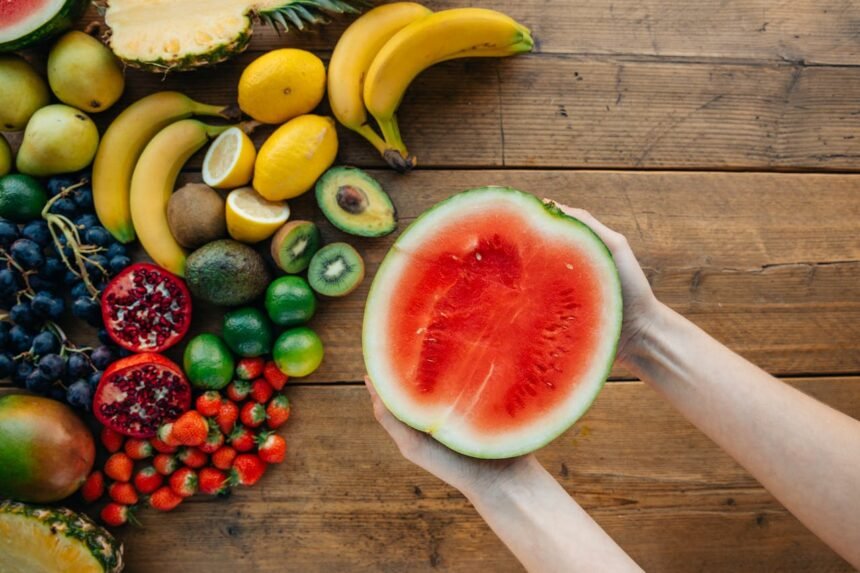
There is nothing quite as refreshing as a slice of cold watermelon on a hot summer day. Its vibrant red colour and sweet, crisp texture make it a favourite across the globe. However, beyond its ability to cool you down, many people are turning to watermelon as a natural aid for gastrointestinal health.
Dealing with digestive issues can be frustrating and uncomfortable. Whether you are battling occasional constipation, bloating, or general sluggishness, finding dietary solutions is often the first line of defence. Understanding watermelon for digestion involves looking at its unique combination of water content, fibre, and essential nutrients.
While it is often praised for its hydration properties, the impact of this fruit on your gut is multifaceted. For some, it is a soothing balm; for others with specific sensitivities, it requires a careful approach. This article explores the science behind watermelon and your gut, helping you decide if it deserves a prime spot in your diet.
Overview
Watermelon (Citrullus lanatus) is a member of the Cucurbitaceae family, making it a relative of cucumbers, pumpkins, and squash. Despite its sweet taste, it is incredibly low in calories and boasts an impressive nutritional profile.
It is composed of approximately 92% water, which is a critical factor in its digestive benefits. The remaining percentage includes carbohydrates, vitamins, minerals, and plant compounds like lycopene and citrulline. Because digestion relies heavily on adequate moisture to process food and move waste through the intestines, foods with high water content are naturally supportive of this process.
However, it is not just about water. Watermelon contains small amounts of fibre and specific sugars that can influence how your bowel functions. For the vast majority of people, it supports regularity and reduces inflammation. However, understanding the nuances of its composition is key to maximising its benefits.
Symptoms and Causes: When Digestion Goes Wrong
To understand why watermelon might help, we must first look at the symptoms of poor digestion that it addresses. Many common digestive complaints stem from two primary causes: dehydration and a lack of dietary fibre.
Dehydration and Constipation
When your body lacks sufficient fluid, the large intestine soaks up water from your food waste. This makes stools hard, dry, and difficult to pass. Symptoms often include straining during bowel movements, abdominal pain, and a feeling of incomplete evacuation. According to the NHS guide on hydration, drinking plenty of fluids is essential to prevent these issues.
Inflammation and Sluggishness
Chronic inflammation in the gut can lead to sluggish digestion and discomfort. This is often caused by a diet high in processed foods and low in antioxidants. A lack of movement in the digestive tract can result in bloating and lethargy.
Electrolyte Imbalance
Digestive muscles require electrolytes—specifically potassium and magnesium—to contract properly (peristalsis). If your electrolyte levels are low, your gut motility may slow down, leading to backup and discomfort.
Diagnosis and Treatment: The Role of Diet
Diagnosing digestive issues usually involves analysing your lifestyle and dietary habits. If you visit a GP for constipation or bloating, one of the first things they will assess is your fluid and fibre intake.
Dietary Treatment Approaches
Medical professionals often recommend dietary changes before prescribing medication. The goal is to soften the stool and increase bulk to stimulate bowel movements. This is where watermelon for digestion becomes a powerful tool. It acts as a dual-action treatment by providing both the fluid volume needed to hydrate the colon and the nutrients required for muscle function.
FODMAP Considerations
However, for patients diagnosed with Irritable Bowel Syndrome (IBS), the treatment plan might differ. Some individuals react to Fermentable Oligosaccharides, Disaccharides, Monosaccharides, and Polyols (FODMAPs). Watermelon is high in fructose, mannitol, and sorbitol. For these individuals, “treatment” might actually involve restricting watermelon consumption to avoid gas and bloating, as outlined by Guts UK.
How Watermelon Supports the Gut
The digestive benefits of watermelon are derived from three main pillars: aggressive hydration, fibre content, and anti-inflammatory compounds.
1. Hydration and Stool Consistency
Since watermelon is 92% water, eating a large wedge is equivalent to drinking a glass of water. Adequate hydration keeps the mucosal lining of the intestines healthy and ensures that waste moves smoothly through the digestive tract. It helps soften stool, making it easier to pass without straining.
2. Fibre Content
While watermelon is not as fibre-dense as oats or beans, it contains a moderate amount of both soluble and insoluble fibre.
- Soluble fibre dissolves in water to form a gel-like substance, which can help feed beneficial gut bacteria.
- Insoluble fibre adds bulk to the stool and helps food pass more quickly through the stomach and intestines.
The British Nutrition Foundation emphasises that increasing fibre intake is crucial for reducing the risk of bowel disorders.
3. Lycopene and Inflammation
Watermelon gets its red hue from lycopene, a powerful antioxidant. Lycopene helps neutralise free radicals that can cause inflammation in the digestive tract. Reducing gut inflammation allows for better nutrient absorption and smoother digestion.
4. Potassium and Magnesium
These electrolytes are vital for smooth muscle function. The digestive tract relies on rhythmic muscle contractions to move food along. Potassium helps regulate these signals. According to Heart UK, fruits and vegetables are the best sources of potassium.
5. Citrulline
Watermelon is rich in an amino acid called citrulline. While primarily known for heart health, citrulline aids in blood flow. Improved blood circulation to the digestive organs ensures they function at their peak capacity.
The Nutritional Breakdown
To understand the value of watermelon, here is a breakdown of its key components per 100g serving.
| Nutrient | Amount | Benefit for Digestion |
|---|---|---|
| Water | 91.5g | Softens stool; prevents dehydration. |
| Fibre | 0.4g | Supports regular bowel movements. |
| Carbohydrates | 7.6g | Provides energy for metabolic processes. |
| Potassium | 112mg | Supports smooth muscle contraction in the gut. |
| Vitamin C | 8.1mg | Reduces oxidative stress and inflammation. |
| Lycopene | 4532µg | Powerful antioxidant protecting gut lining. |
Potential Risks: The FODMAP Issue
While watermelon is fantastic for most, it can trigger symptoms in people with sensitive stomachs. This is primarily due to its classification as a high-FODMAP food.
Fructose Malabsorption
Watermelon contains high levels of fructose. If your body struggles to absorb fructose effectively, it travels to the large intestine where bacteria ferment it. This process produces gas, leading to bloating and pain.
Sugar Alcohols (Polyols)
It also contains mannitol and sorbitol. These sugar alcohols draw water into the large intestine. While this can help constipation in some, it can cause loose stools or diarrhoea in others. Monash University, leaders in FODMAP research, advise limiting intake if you have IBS.
Tips for Management
If you want to use watermelon for digestion effectively, follow these management tips to maximise benefits and minimise bloating.
- Moderation is Key: Stick to a standard serving size of about 150g (one cup diced). This provides hydration without overloading the gut with fructose.
- Pair with Protein: Eating watermelon alongside a source of protein (like Greek yoghurt or a handful of nuts) can slow down sugar absorption and prevent blood sugar spikes. See advice from Diabetes UK regarding fruit portions.
- Don’t Toss the Rind: The white part of the rind contains lower sugar but higher citrulline and fibre. You can pickle it or add it to smoothies for an extra digestive boost.
- Eat it Alone: Some holistic health theories suggest eating melon on an empty stomach allows it to digest quickly without fermenting behind slower-digesting proteins, though scientific evidence for this is mixed.
- Seeds are Safe: Watermelon seeds are edible and pass through the system easily. If chewed or sprouted, they provide small amounts of magnesium and zinc.
- Check Freshness: Ensure the melon is fresh. Over-ripe melon ferments faster, potentially increasing the risk of digestive upset. Consult BBC Good Food for tips on selecting the best produce.
Frequently Asked Questions
Does watermelon cause diarrhoea?
In large quantities, yes. The high water content combined with lycopene and sugar alcohols (sorbitol) can stimulate bowel movements rapidly. If you consume too much, it may lead to loose stools.
Can I eat watermelon at night?
Yes, but be mindful of the high water content. Eating it immediately before bed might lead to frequent urination, disrupting sleep. Additionally, those with acid reflux should be cautious, as lying down after eating can trigger heartburn. For more on dietary habits, see the GOV.UK Eatwell Guide.
Is the fibre in watermelon soluble or insoluble?
It contains mostly insoluble fibre, which helps bulk up stool. However, the total fibre count is relatively low compared to other fruits like raspberries or pears.
Does watermelon help with bloating?
It depends on the cause. If bloating is due to water retention caused by high sodium, the potassium in watermelon can help balance fluids and reduce bloat. If bloating is due to gas or IBS, the fructose in watermelon might make it worse.
How does it compare to other melons?
Watermelon is higher in lycopene than honeydew or cantaloupe but generally higher in fructose. Cantaloupe is often better tolerated by those with IBS. You can read more about the benefits of different melons on Healthline.
The Bottom Line
Watermelon is a hydration powerhouse that can significantly aid digestion for the general population. Its high water content, combined with essential electrolytes and antioxidants, helps maintain regular bowel movements and prevents dehydration—a common cause of constipation.
However, it is not a cure-all for everyone. If you suffer from IBS or fructose malabsorption, you should approach watermelon with caution to avoid bloating or discomfort. By monitoring your portion sizes and listening to your body, you can enjoy this sweet summer fruit while keeping your digestive system happy and healthy. As with all dietary changes, aim for balance and variety to support optimal gut health. For further reading on the importance of antioxidants in your diet, visit Cancer Research UK.