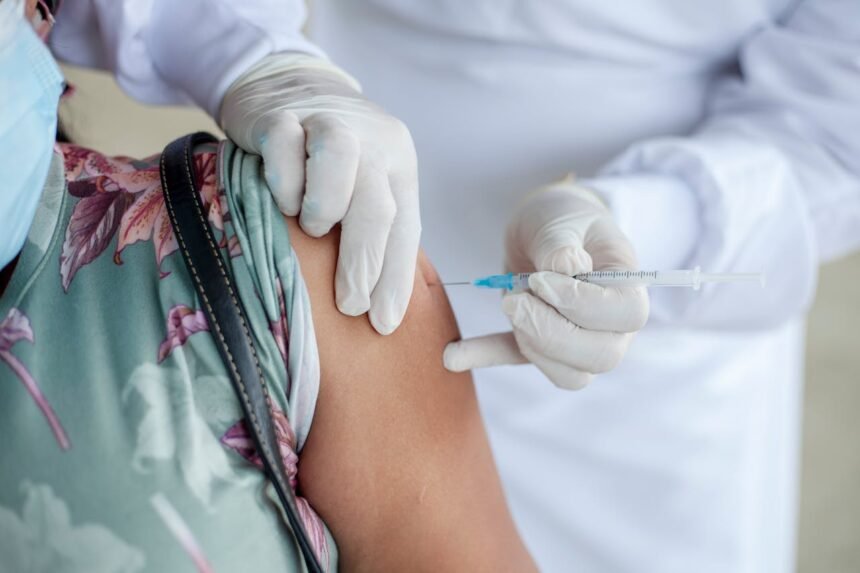
Vaccines are among the most significant achievements in modern public health, responsible for eradicating smallpox and drastically reducing the burden of diseases like polio and measles. However, even with the overwhelming evidence of their safety and efficacy, it is entirely natural to feel a degree of hesitation or anxiety before rolling up your sleeve. A primary source of this anxiety often stems from the unknown: knowing what to expect after vaccine administration can significantly reduce stress and help you prepare for the days following your appointment.
Whether you are receiving a seasonal flu shot, a COVID-19 booster, or a routine travel immunization, the biological mechanisms at play are largely similar. This comprehensive guide covers the typical immune response, how to manage discomfort, and distinguishing between normal reactions and signs that require medical attention.
Understanding the Immune Response
To understand why side effects occur, it is helpful to understand how vaccines work. Vaccines are designed to train your immune system to recognize and fight specific pathogens (viruses or bacteria) without exposing you to the disease itself. When a vaccine is introduced to the body, it triggers the immune system to produce antibodies and activate immune cells.
This process, known as immunogenicity, often results in temporary symptoms. These symptoms are not usually a sign that things have gone wrong; rather, they are evidence that your body is building protection. Scientists refer to these physical manifestations as reactogenicity.
Common Side Effects: The ‘Good’ Signs
Most post-vaccination symptoms are mild to moderate and resolve within a few days. They can be categorized into two main groups: local reactions and systemic reactions.
Local Reactions (At the Injection Site)
The most immediate physical response occurs where the needle entered the skin. According to the Centers for Disease Control and Prevention (CDC), these are the most frequently reported side effects:
- Pain or Tenderness: Caused by the trauma of the needle and the inflammation as immune cells rush to the site.
- Redness and Swelling: A natural inflammatory response.
- Warmth: The area may feel hot to the touch.
Systemic Reactions (Whole Body)
Systemic reactions indicate that your immune system is responding on a broader scale. These side effects are often more pronounced after the second dose of a multi-dose series (such as the shingles vaccine or mRNA COVID-19 vaccines). Common systemic effects include:
- Fatigue: Feeling unusually tired as your body diverts energy to the immune response.
- Headache: A common inflammatory response.
- Muscle or Joint Pain: Often described as general aches, similar to the start of the flu.
- Fever and Chills: A rise in body temperature helps the immune system function more efficiently.
- Nausea: Mild gastrointestinal upset can occur, though it is less common.
Comparative Overview of Vaccine Side Effects
Not all vaccines affect the body in the same way. The technology used (e.g., mRNA vs. inactivated virus) and the target disease play a role in what you might experience. Below is a comparison of what to expect after typical vaccinations.
| Vaccine Type | Common Local Effects | Common Systemic Effects | Onset & Duration |
|---|---|---|---|
| Influenza (Flu Shot) | Soreness, redness, minor swelling. | Low-grade fever, aches (less common). | Starts within 6-12 hours; lasts 1-2 days. |
| mRNA COVID-19 | Significant soreness, ‘COVID arm’ (delayed rash). | Fatigue, headache, fever, chills, nausea. | Starts within 12-24 hours; lasts 24-48 hours. |
| Shingles (Shingrix) | Intense pain, redness, swelling. | Fatigue, muscle pain, headache, fever. | Starts within 24 hours; lasts 2-3 days. |
| Tetanus (Tdap) | Significant soreness, swelling, stiffness. | Body aches, fatigue, mild fever. | Starts within 12-24 hours; stiffness may last longer. |
| MMR (Measles, Mumps, Rubella) | Stinging at injection site. | Fever, mild rash (5-12 days later). | Delayed systemic effects are unique to live vaccines. |
Managing Post-Vaccination Discomfort
While side effects are a sign of a robust immune response, you do not need to suffer through them. The Mayo Clinic suggests several practical strategies to mitigate discomfort:
- Keep the Arm Moving: It may feel counterintuitive, but moving the injected arm helps disperse the vaccine and increases blood flow, which can reduce soreness.
- Hydration: Drinking plenty of fluids helps regulate body temperature and can alleviate headaches.
- Cool Compresses: Applying a cool, wet washcloth to the injection site can reduce swelling and heat.
- Over-the-Counter Medication: Pain relievers like ibuprofen (Advil) or acetaminophen (Tylenol) can be taken after the shot to manage fever and pain. Note: Medical experts generally advise against taking these medications before vaccination as a preventative measure, as they might theoretically blunt the immune response slightly.
Adverse Events vs. Side Effects: When to Worry
It is crucial to distinguish between expected side effects and adverse events. An adverse event is a health problem that happens after vaccination, which may or may not be caused by the vaccine itself. While serious reactions are extremely rare, being informed is key to safety.
Allergic Reactions
In very rare cases, a person may experience anaphylaxis, a severe and potentially life-threatening allergic reaction. This typically occurs within 15 to 30 minutes of vaccination. This is why you are usually asked to wait at the clinic after your shot. According to the American Academy of Allergy, Asthma & Immunology, symptoms include:
- Difficulty breathing or wheezing.
- Swelling of the face, throat, or tongue.
- A fast heartbeat.
- Dizziness or weakness.
- Widespread hives.
If you have left the vaccination site and experience these symptoms, call emergency services immediately.
Rare but Serious Conditions
Specific vaccines have been associated with very rare conditions. For instance, the FDA monitors reports of Guillain-Barré Syndrome or thrombosis with thrombocytopenia syndrome (TTS) for specific vaccine types. However, statistical data consistently shows that the risk of serious complications from the diseases themselves (like COVID-19 or Measles) is exponentially higher than the risk of vaccine complications.

Timeline: When Should Side Effects End?
Knowing what to expect after vaccine administration involves understanding the timeline. Normal side effects typically peak within 24 hours and should subside significantly by day three.
When to Call a Doctor
The National Health Service (NHS) and other health authorities recommend seeking medical advice if:
- Prolonged Symptoms: The redness or tenderness at the injection site gets worse after 24 hours.
- Duration: Side effects do not seem to be going away after a few days.
- High Fever: You experience a fever over 103°F (39.4°C).
- Neurological Symptoms: You experience confusion, severe weakness, or difficulty waking up.
Special Considerations for Children
For parents, watching a child experience side effects can be distressing. Children may be fussier than usual, sleep more, or have a reduced appetite. The American Academy of Pediatrics notes that these are normal reactions. However, if an infant cries inconsolably for more than three hours or has a high fever, immediate pediatrician consultation is warranted.
Conclusion
Vaccines train your body to fight wars so you don’t have to. While the temporary discomfort of a sore arm or a mild fever can be inconvenient, it is a small price to pay for protection against potentially life-altering illnesses. By knowing what to expect after vaccine appointments, you can plan your schedule accordingly (perhaps taking a lighter load the next day) and manage symptoms effectively.
Remember, the vast majority of people experience only mild side effects. If you have specific concerns about your medical history or allergies, always consult your primary care provider before your appointment. Stay informed, stay protected, and trust in the science that keeps our communities healthy.
Disclaimer: This article is for informational purposes only and does not constitute medical advice. Always consult with a healthcare professional regarding your health and vaccination decisions.