Star fruit, technically known as Averrhoa carambola, is a visual and culinary delight that has captivated fruit enthusiasts globally. With its waxy, yellow-green skin and distinctive ridges that form a perfect five-point star when sliced, it is a staple in tropical diets and a popular exotic garnish in the West.
However, for those seeking the freshest produce, knowing when star fruit season occurs is vital. Unlike apples or bananas, which may seem omnipresent in supermarkets, star fruit has specific harvest windows that vary significantly depending on geography, climate, and cultivation methods.
Understanding the seasonality of this fruit not only ensures you purchase it at its peak flavour and nutritional value but also helps you understand the global supply chain of tropical commodities. Whether you are looking to manage your diet with high-fibre fruits or simply want to try a new tart-sweet flavour profile, timing is everything.
Overview: What is Star Fruit?
Before diving into the harvest times, it is essential to understand the fruit itself. The carambola tree is a slow-growing species native to Southeast Asia, specifically Malaysia, Indonesia, and the Philippines. It thrives in tropical and subtropical climates where frost is non-existent.
The fruit comes in two primary varieties: a smaller, very sour type utilized often in cooking, and a larger, sweeter type that is delicious eaten raw. Both offer a crisp, juicy texture similar to a grape or a pear, with a complex flavour profile that ranges from citrusy tartness to floral sweetness.
Because the fruit is fragile and bruises easily, imported star fruit is often picked slightly underripe. Therefore, knowing the local and global star fruit season can help you source fruit that has ripened on the tree for longer, providing a superior taste experience.
Global Seasonality: When is Harvest Time?
Because star fruit is grown in various tropical belts around the world, ‘season’ is a relative term. In some tropical zones, the fruit can be harvested year-round, while in subtropical areas, there are distinct harvest windows.
United States (Florida and Hawaii)
In the United States, production is concentrated in Florida and Hawaii.
Florida: This is the primary domestic source for the US and parts of Europe. The main star fruit season in Florida typically runs from August through February, with peak production often occurring in late autumn and early winter. However, depending on weather patterns and specific cultivars like ‘Arkin’, you may find sporadic availability almost year-round.
Hawaii: Due to its consistent tropical climate, Hawaii produces carambola throughout the year. However, the heaviest crops are usually harvested between September and April.
Southeast Asia (Malaysia, Thailand, Indonesia)
In its native region, the carambola tree is incredibly prolific. In countries like Malaysia—a top global exporter—the fruit is generally available year-round. There is no hard ‘off-season’, although production may dip slightly during peak monsoon months depending on the specific microclimate.
South America and the Caribbean
Countries such as Brazil and Guyana also cultivate carambola extensively. In these regions, the harvest is generally consistent, though peak exports often align with the Northern Hemisphere’s winter, filling the gap when US production might slow down.
Seasonality Chart by Region
| Region | Peak Season | Secondary Availability |
|---|---|---|
| Florida, USA | August – February | March – May (Sporadic) |
| Hawaii, USA | September – April | Year-round |
| Malaysia | Year-round | N/A |
| Australia | May – September (Tropical North) | Late Summer |
| Brazil | January – May | Year-round |
Factors Influencing Seasonality
While geography is the primary dictator of the star fruit season, several agronomic factors influence exactly when the fruit hits the shelves.
1. Climate and Temperature
Carambola trees are exceedingly sensitive to cold. They cease growth at temperatures below 18°C (65°F) and can sustain damage at freezing temperatures. Consequently, in subtropical regions like Florida, an unusually cold winter can shorten the season or delay the subsequent bloom cycles.
2. Rainfall and Irrigation
Water availability triggers flowering. In many tropical regions, the onset of the rainy season induces the trees to bloom. Farmers can manipulate this in managed orchards by controlling irrigation to force flowering at specific times, thereby extending the commercial season.
3. Cultivar Variations
Different varieties have different maturation rates.
- Arkin: The most common commercial variety in Florida, known for its crisp texture and transportability. It is a mid-to-late season producer.
- Fwang Tung: A Thai variety that is sweeter and more tender, often harvested slightly earlier.
- Kary: A popular Hawaiian variety that produces heavy crops in late autumn.
For more detailed botanical data, you can refer to the Purdue University Horticulture Department database.
Nutritional Profile and Health Considerations
Eating star fruit during its peak season provides the highest concentration of nutrients. It is a low-calorie fruit, packed with fibre and vitamin C.
Key Nutrients (Per Medium Fruit)
- Calories: Approximately 30
- Fibre: 3 grams
- Vitamin C: 52% of the Reference Daily Intake (RDI)
- Copper: Pan-essential for metabolic function
According to data from the USDA FoodData Central, star fruit is also a rich source of plant compounds, including quercetin, gallic acid, and epicatechin. These constitute a powerful antioxidant profile.
Important Safety Warning: Kidney Health
Despite its benefits, star fruit is not safe for everyone. It contains a high concentration of oxalates and a neurotoxin sometimes referred to as caramboxin.
Individuals with normal kidney function can process these substances without issue. However, for those with kidney disease, consuming star fruit can be fatal. The kidneys effectively filter out the neurotoxin in healthy bodies, but in those with renal impairment, the toxin accumulates, causing confusion, seizures, and potentially death.
If you have kidney issues, consult a healthcare provider before adding this to your diet. For further reading on this toxicity, the National Kidney Foundation offers comprehensive guidelines.
Treatment and Management: Selection and Storage
Once you have identified that you are in the correct star fruit season, the challenge shifts to selecting the best fruit and storing it correctly to maintain its nutritional integrity.
How to Select a Ripe Star Fruit
Selecting a carambola is different from selecting an apple or avocado.
- Colour: Look for bright yellow skin. A little bit of green on the ridges is acceptable, as it will ripen at room temperature, but a fruit that is entirely green is unripe and will be overly sour.
- Browning: Do not be alarmed by slight browning along the five ridges. This indicates high sugar content and full ripeness.
- Texture: The skin should be firm and waxy. Avoid fruit that feels mushy or has shrivelled skin, as this indicates over-ripeness or dehydration.
For more on exotic fruit selection, California Rare Fruit Growers provides excellent resources for enthusiasts.
Storage Best Practices
Proper storage depends on the ripeness of the fruit when purchased.
- Unripe (Green/Pale Yellow): Leave on the counter at room temperature. Turn the fruit occasionally to ensure even ripening. It should turn yellow within 2 to 3 days.
- Ripe (Bright Yellow): Once ripe, star fruit has a short shelf life. Store it in the refrigerator, preferably in a sealed plastic bag or airtight container. It will remain fresh for up to two weeks.
- Freezing: You can puree the fruit or slice it and freeze it for use in smoothies.
Practical Tips: Culinary Uses
The versatility of star fruit extends beyond eating it raw. Its unique shape makes it a favourite for chefs, but its flavour adapts well to both sweet and savoury dishes.
1. The Perfect Garnish
The most common use is as a garnish. Slice the fruit horizontally to create star-shaped pieces. These can adorn cocktails, salads, or smoothie bowls. The tartness cuts through rich flavours, making it an excellent palate cleanser.
2. Savoury Applications
In Southeast Asian cuisine, unripe or tart star fruit is often treated like a vegetable.
- Curries: It adds acidity to fish curries, similar to how tamarind is used.
- Relishes: Combine diced star fruit with chilli, lime, and salt for a punchy relish.
- Stews: It holds its shape relatively well when cooked briefly.
3. Sweet Treats
Because of its high water content, star fruit is excellent for juicing. It can be blended with pear or apple juice to balance the tartness. It can also be cooked down with sugar and spices like cloves and cinnamon to make a tropical jam or chutney.
For more healthy recipe ideas involving tropical fruits, check out Medical News Today.
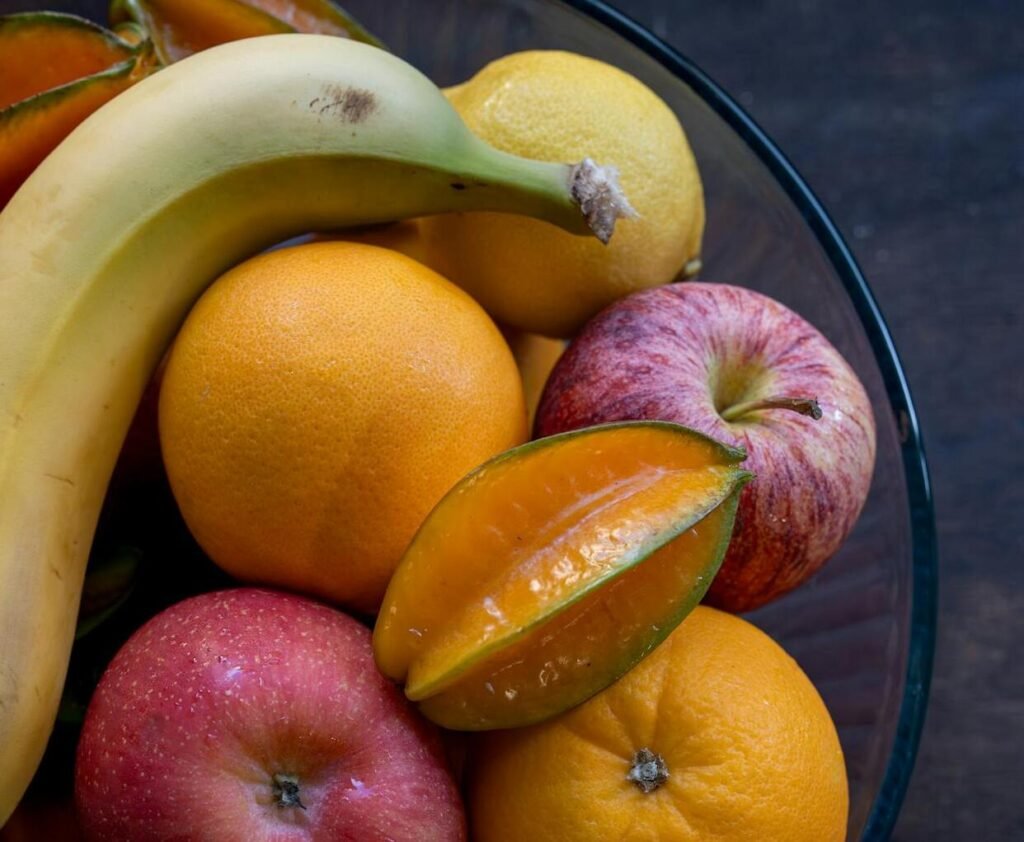
The Bottom Line
Star fruit is a nutritional powerhouse and a visual showstopper, but enjoying it requires a bit of timing.
The primary star fruit season in the Northern Hemisphere (via Florida) runs from August through February, while global imports from Southeast Asia and South America ensure year-round availability for many consumers.
Always choose fruit that is bright yellow with firm skin, and do not fear brown edges on the ribs—that is where the sweetness lies. Most importantly, if you have any history of kidney problems, you must avoid this fruit due to its oxalate and neurotoxin content.
By following these seasonal guides and selection tips, you can safely incorporate this exotic gem into your diet, adding a burst of Vitamin C and tropical flair to your meals.
Useful Resources
- Healthline: Star Fruit 101 — Is It Good For You?
- WebMD: Health Benefits of Star Fruit
- University of Florida IFAS: Carambola Growing in the Florida Home Landscape
- FDA: Produce Safety and Handling
- NIH: Antioxidant Activities of Star Fruit