We have all experienced that mid-afternoon slump where keeping your eyes open feels like a monumental task. When fatigue sets in, the temptation to reach for a sugary energy drink or a fourth cup of coffee can be overwhelming. However, reliance on caffeine and refined sugars often leads to a brief spike in alertness followed by an inevitable crash, leaving you more tired than before.
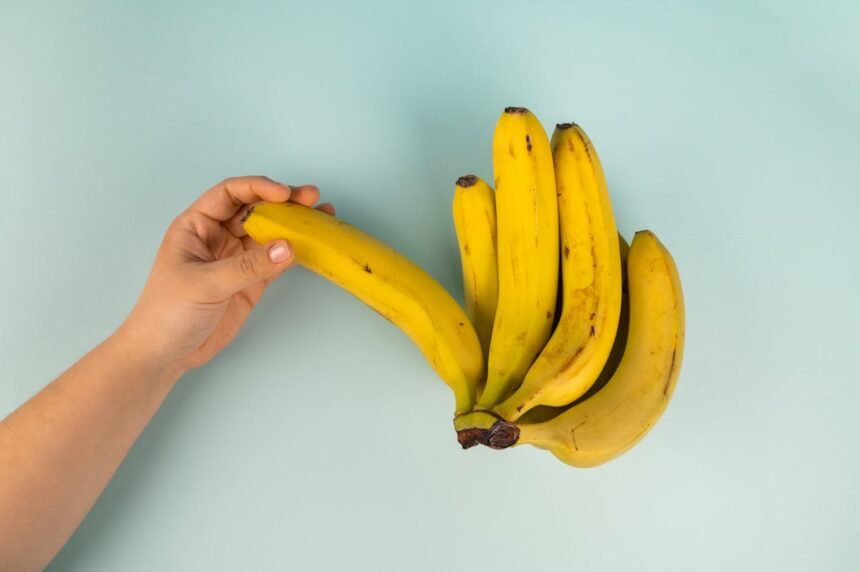
Nature, fortunately, offers a far superior alternative. Bananas are frequently cited by nutritionists and athletes alike as the gold standard for quick, sustainable energy. They come pre-packaged in their own biodegradable wrapper, require no washing, and are packed with a specific blend of carbohydrates and nutrients designed to fuel the human body efficiently.
Whether you are gearing up for a high-intensity workout or simply trying to survive a long meeting, understanding the nutritional mechanics of this yellow fruit can change how you fuel your day. According to the NHS Eat Well guide, choosing fruit over processed snacks is a cornerstone of maintaining consistent energy levels. In this article, we explore exactly why bananas are the perfect natural energy booster.
Overview
Bananas are one of the most popular fruits in the world, and for good reason. Botanically classified as a berry, they are a powerhouse of essential vitamins and minerals. Unlike processed energy bars, which often contain artificial additives and preservatives, a banana provides pure, clean fuel.
One medium-sized banana contains approximately 105 calories, consisting primarily of water and carbohydrates. This makes them an incredibly efficient fuel source. The magic lies in the composition of these carbohydrates. As a banana ripens, its starch content converts into natural sugars—glucose, fructose, and sucrose.
This specific trio of sugars is vital. Glucose provides an immediate burst of energy to the brain and muscles. Fructose is metabolised more slowly, providing a sustained release. Sucrose acts as the bridge between the two. Furthermore, bananas are rich in fibre, specifically pectin and resistant starch (in greener bananas), which moderates the digestion of these sugars.
This means that instead of the sharp blood sugar spike associated with sweets, bananas offer a stable rise in energy. For a deeper dive into the nutritional profile, Healthline offers a comprehensive breakdown of the vitamins and minerals found in this fruit.
Symptoms and causes of low energy
To understand why bananas are so effective, we must first look at why we lose energy. Fatigue is a complex symptom, but in the context of daily diet, it is often caused by fluctuations in blood glucose.
When you consume high-GI (Glycaemic Index) foods like white bread or sweets, your blood sugar rockets up. Your pancreas responds by flooding your system with insulin to manage the glucose, often overcorrecting and causing your blood sugar to plummet shortly after. This is known as reactive hypoglycaemia, or the ‘sugar crash’.
Symptoms of this energy crash include:
- Sudden lethargy or drowsiness.
- Difficulty concentrating (brain fog).
- Irritability or mood swings.
- Cravings for more sugar.
Furthermore, low energy can stem from electrolyte imbalances. Electrolytes like potassium and magnesium are crucial for nerve transmission and muscle contraction. If these levels dip, perhaps due to sweating or poor diet, you may experience physical fatigue and muscle weakness. The British Nutrition Foundation highlights that maintaining energy balance requires not just calories, but the correct micronutrients to metabolise those calories.
Diagnosis and treatment: The banana prescription
If the ‘diagnosis’ is an energy slump caused by depleted glycogen stores or electrolyte imbalance, the banana is an effective natural ‘treatment’. The efficacy of bananas as an energy booster comes down to three main physiological mechanisms: the carbohydrate blend, vitamin B6 content, and potassium levels.
1. The Power of Carbohydrates and Fibre
Carbohydrates are the body’s preferred source of fuel. However, not all carbs are created equal. Bananas have a low-to-medium Glycaemic Index (GI), usually ranging between 42 and 58 depending on ripeness. This is significantly lower than white bread or sports gels.
The presence of soluble fibre ensures that the sugar enters your bloodstream at a manageable pace. This provides what endurance athletes call ‘glycogen sparing’—allowing you to sustain activity for longer without hitting the wall. For those managing blood sugar, Diabetes UK explains that low GI foods are essential for steady energy management.
2. Vitamin B6 and Metabolism
A single banana provides roughly one-third of your recommended daily intake (RDI) of Vitamin B6 (pyridoxine). This vitamin is not a fuel source itself, but it is the key that unlocks energy.
Vitamin B6 is essential for enzymes that help metabolise proteins and fats. More importantly, it helps the body convert the stored carbohydrates (glycogen) in your muscles and liver into usable glucose. Without sufficient B6, your body struggles to access its own energy reserves effectively. It also plays a role in producing serotonin, which can improve mood and reduce the sensation of fatigue.
3. Potassium and Muscle Function
Potassium is arguably the mineral most associated with bananas. It is an electrolyte that maintains fluid balance in the body. According to Medical News Today, potassium is vital for preventing muscle cramps and ensuring proper nerve function.
When we are active or stressed, we lose potassium through sweat. If these levels drop, muscles become sluggish and uncoordinated. Eating a banana replenishes these stores rapidly. This is why you will often see tennis players taking a bite of a banana during changeovers; they are literally recharging their nervous system.
Clinical Evidence: Bananas vs. Sports Drinks
Scientific studies back up these claims. A landmark study published and indexed by the National Institutes of Health (PubMed) compared the performance of cyclists consuming bananas against those drinking commercial sports beverages.
The researchers found that the banana group performed just as well as the sports drink group in terms of endurance and speed. However, the banana group had added benefits: higher levels of antioxidants and a healthier blend of sugars, without the artificial dyes found in drinks.
| Nutrient | Banana (Medium, 118g) | Sports Drink (12 fl oz) | Energy Bar (Standard) |
|---|---|---|---|
| Calories | ~105 | ~80-100 | ~200-250 |
| Carbohydrates | 27g | 21g | 25-40g |
| Fibre | 3.1g | 0g | 2-5g |
| Potassium | 422mg | 45mg | ~100mg |
| Added Sugar | 0g | 14-20g | 10-15g |
| Vitamin B6 | 0.4mg | 0mg | varies |
Data approximated from USDA FoodData Central and standard product labels.
Tips for management
Incorporating bananas into your daily routine is simple, but timing can optimise the energy-boosting effects. Here is how to manage your intake for maximum benefit:
- Pre-Workout: Eat a yellow banana (rich in simple sugars) 30 to 60 minutes before exercise. This tops up your glycogen stores.
- Mid-Slump Snack: Pair a banana with a handful of almonds or peanut butter. The healthy fats and protein in the nuts further slow down the absorption of sugar, providing an even longer energy curve. Harvard T.H. Chan School of Public Health notes that pairing fruit with fat/protein is an excellent strategy for satiety.
- Post-Workout: Add a banana to your protein shake. The fast-acting carbs will spike insulin slightly, which helps drive amino acids into the muscles for repair.
Creative ways to eat bananas
You are not limited to just peeling and eating. Try these ideas:
- Frozen Slices: Freeze ripe bananas and blend them for a ‘nice cream’ dessert.
- Oatmeal Topper: Mash half a banana into porridge for natural sweetness.
- Baking: Use mashed banana as a substitute for butter or oil in baking recipes to lower fat content.
For more culinary inspiration, BBC Good Food offers excellent recipes specifically designed for energy maintenance.
Frequently Asked Questions
Are bananas too high in sugar for weight loss?
While bananas contain natural sugar, they are not ‘fattening’ when eaten in moderation. The fibre content (pectin) helps regulate appetite, making you feel fuller for longer. This can actually aid weight loss by preventing overeating later in the day. GOV.UK’s 5 A Day campaign encourages bananas as part of a healthy diet.
Which is better for energy: Green or yellow bananas?
It depends on when you need the energy. Yellow bananas have more simple sugars, making them perfect for a quick boost before a workout. Green bananas are high in resistant starch, which acts like fibre. They provide slower, sustained energy and are better for gut health, but won’t give you that immediate ‘kick’.
Can I eat banana skins?
Technically, yes. In many cultures, skins are cooked and eaten. They are incredibly rich in fibre and vitamin B6. However, the texture is tough and bitter. If you want to try this, ensure you wash them thoroughly to remove pesticides, or buy organic.
The bottom line
Bananas are arguably nature’s most perfect portable snack. They offer a unique combination of complex carbohydrates, natural sugars, antioxidants, and essential minerals like potassium and Vitamin B6. This nutritional profile allows them to provide a sustained energy boost that rivals—and often exceeds—that of expensive sports drinks.
Rather than reaching for caffeine or processed sugar when you feel tired, eating a banana addresses the physiological causes of fatigue by replenishing glycogen and balancing electrolytes. They are affordable, accessible, and versatile.
Prioritise whole foods for your energy needs. By adding a banana to your daily routine, you are choosing a heart-healthy, fibre-rich fuel that supports your body’s natural rhythms. It is a simple dietary change that can yield significant improvements in your daily vitality.