Creating a sanctuary at home often involves the subtle art of scent and lighting. Candles have long been a staple for relaxation, but as we become more conscious of our environmental footprint and indoor air quality, the materials we burn matter significantly.
Enter coconut wax candles.
While soy has dominated the eco-market for years, coconut wax is rapidly emerging as the superior choice for sustainability, health, and performance. If you are seeking sustainable home fragrance, understanding the science behind this wax is essential.
This article explores why coconut wax is transforming the candle industry and why it might be time to switch from your traditional paraffin or soy blends.
Overview: The Evolution of Candle Wax
Historically, candles were functional, made from tallow (animal fat) or beeswax. The industrial revolution brought us paraffin, a petroleum byproduct that is cheap and easy to mass-produce.
However, in recent decades, the demand for clean burning candle wax has surged. Consumers are increasingly aware that burning petroleum derivatives inside their homes can release harmful particulates.
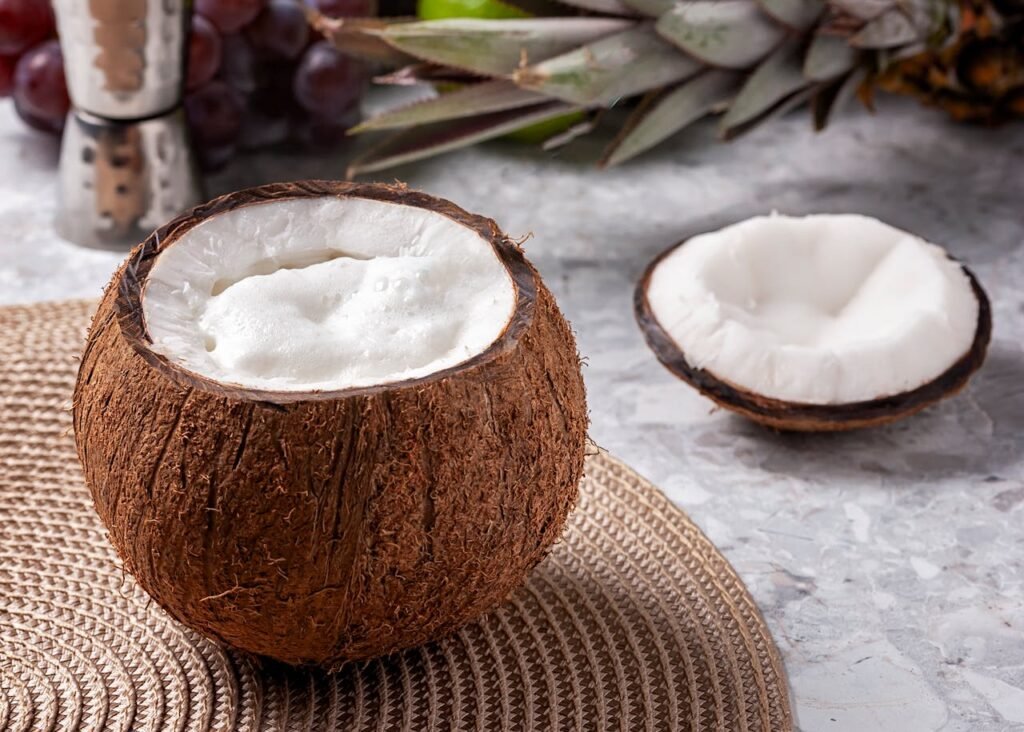
Coconut wax is a relatively new player. It is a colourless, odourless wax made from cold-pressed coconut meat—specifically, hydrogenated coconut oil. It is often blended with other natural waxes to raise its melting point, but high-quality versions remain distinctively pure.
Because the coconut palm is a highly renewable resource, this wax represents one of the most promising renewable candle resources available today.
The Problem with Traditional Candles
To understand the benefits of coconut wax, we must first look at what it replaces.
Paraffin and Indoor Air Quality
Most high-street candles are made of paraffin. When burned, paraffin releases volatile organic compounds (VOCs) such as toluene and benzene—known carcinogens. This is often compared to inhaling diesel exhaust fumes in a confined space.
According to the United States Environmental Protection Agency (EPA), poor indoor air quality is a top environmental risk to public health. Using paraffin free candles is a simple step toward mitigating this risk.
Additionally, paraffin creates soot. You may have noticed black residue on the rim of your candle jars or even on your walls. Coconut wax offers soot free burning, keeping your home’s surfaces and your lungs cleaner.
The Limitations of Soy
Soy wax was the first major alternative to paraffin. While better than petroleum, soy has its own issues. The vast majority of soy crops are genetically modified and treated with pesticides. Furthermore, the soybean industry is a leading driver of deforestation in certain parts of the world.
In contrast, coconuts are harvested by hand, and the trees are not cut down during harvest. This arguably makes coconut wax a more ethical choice for those concerned with non-toxic candle options.
Why Coconut Wax Is the Eco-Friendly Champion
The coconut tree is often called the “tree of life” because every part of it can be used, minimizing waste. This holistic utility is a core component of sustainable living.
High-Yield Sustainability
One of the most compelling arguments for coconut wax is high-yield crop sustainability. A single coconut tree can produce fruit for decades. Unlike soy or corn, which require annual tilling and replanting (disrupting soil health), coconut palms are permanent crops.
This agricultural efficiency mirrors the principles discussed in The Strength and Durability of Coconut Fiber Rope in Gardening, where the longevity and utility of the plant are highlighted.
No Deforestation
Coconuts generally do not require deforestation to grow. They thrive in sandy soil where other crops might fail. Organisations like the World Wildlife Fund (WWF) have highlighted the devastation caused by palm oil plantations; coconut farming, when done responsibly, avoids this destruction.
Biodegradability
Coconut wax is a biodegradable candle wax. If you were to toss a chunk of it into your compost, it would break down naturally without leaching chemicals into the water table.
Performance: The Scent and Burn Profile
Eco-friendliness is vital, but a candle must also perform well. Coconut wax is widely regarded by chandlers (candle makers) as a luxury wax due to its physical properties.
Superior Scent Throw
“Scent throw” refers to how well a candle fills a room with fragrance.
Because of the specific coconut wax melting point (which is lower than beeswax but higher than some soft oils), it holds fragrance oil beautifully. It releases the scent gently and consistently, rather than burning it off too quickly.
This results in a superior scent throw that rivals high-end luxury brands. Research on olfactory sensitivity from the Cleveland Clinic suggests that cleaner scents (without chemical undertones) are less likely to trigger headaches, making coconut wax a safer bet for sensitive individuals.
Slow and Even Burn
Coconut wax burns slower than soy or paraffin. This means you get longer burn time candles for your money. A 300ml coconut wax candle might last 10-15% longer than a soy equivalent.
It also resists “tunnelling” (where the wax burns down the centre, leaving hard wax on the sides), provided the wick is sized correctly.
Coconut Wax vs Soy Wax: A Direct Comparison
When shopping for eco-friendly candle alternatives, you will likely choose between soy and coconut. Here is how they stack up in the coconut wax vs soy wax debate:
- Aesthetics: Coconut wax creates a creamy, smooth top. Soy wax often creates “frosting” (white crystal-like structures) or bumpy tops after cooling.
- Scent: Coconut wax generally throws scent better than soy.
- Environmental Impact: Coconut farming uses fewer pesticides and fertilisers than industrial soy farming.
- Cost: Coconut wax is more expensive to produce, which is why these candles often have a higher price point.
Holistic Sustainability: The Coconut Lifecycle
To truly appreciate the sustainability of these candles, one must look at the broader agricultural ecosystem of the coconut. Nothing goes to waste.
For example, while the oil is extracted for wax, the shells can be repurposed. As detailed in Sustainable Living: Why Every Kitchen Needs a Coconut Shell Bowl, these byproducts replace plastic in the home.
Even the husks have purpose. Gardeners value them immensely, as seen in The Benefits of Using Coconut Husk Chips for Orchid Potting.
The sap of the tree provides low-glycemic sweeteners. If you are curious about the agricultural output regarding sugar, you might read Is Coconut Sugar Keto Friendly? Everything You Need to Know.
Furthermore, the water is a source of hydration, processed into powders for transport efficiency, which we cover in The Ultimate Guide to Using Coconut Water Powder for Hydration.
Even the meat itself is a nutritional powerhouse before it is processed into oil or wax. You can learn more about this in A Detailed Look at Raw Coconut Meat Nutrition and Health Facts.
This “whole plant” usage ensures that the farming supporting your vegan candle wax is economically viable for farmers.
Health Considerations
Allergies and Sensitivities
While coconut wax is generally hypoallergenic, those with tree nut allergies should consult their doctor, though the wax is highly refined. For those sensitive to synthetic fragrances, look for coconut wax candles scented with essential oils.
Medical sources like Healthline note that while coconut is technically a fruit, the FDA classifies it as a tree nut, so caution is always valid.
Soot and Lungs
The American Lung Association warns against VOCs in the home. By choosing a clean burning candle wax like coconut, you reduce the particulate matter entering your lungs.
However, always trim your wicks. Even the cleanest wax will produce some smoke if the wick is too long (mushrooming).
Incorporating Coconut Products into a Natural Lifestyle
Switching to coconut wax is often a gateway to a broader natural lifestyle.
If you enjoy the aesthetic of the coconut palm, you might be interested in How to Grow and Care for Your Own Coconut Bonsai Tree, bringing the source of the wax directly into your living room.
Beyond home decor, coconut byproducts extend to personal care. For instance, activated charcoal from coconut shells is popular in dental hygiene. See our analysis: Does Coconut Charcoal Teeth Whitening Actually Work?.
In the kitchen, replacing synthetics with natural coconut derivatives is a growing trend. This ranges from Finding the Best Coconut Aminos Substitute for Your Cooking to Exploring the Health and Digestive Coconut Vinegar Benefits.
Tips for Buying Coconut Wax Candles
- Check the Label: Many candles are blends. A “coconut blend” might still contain paraffin. Look for “100% coconut wax” or “coconut-soy blend” if you want to avoid petroleum.
- Wick Type: Wood wicks or cotton wicks (lead-free) are best.
- Scent Source: Essential oils or phthalate-free fragrance oils are the gold standard for non-toxic candle options.
According to Fair Trade Certified, purchasing products that support fair wages for farmers is also a crucial part of sustainability. Look for ethical certification on your candle labels.
The Bottom Line
Coconut wax candles represent the intersection of luxury and responsibility. They provide a longer burn time, a superior scent throw, and a soot free burning experience that protects your home’s air quality.
While they may cost slightly more than paraffin alternatives, the investment supports a sustainable, high-yield agricultural system that does not require deforestation.
By choosing coconut wax candles, you are not just buying a home accessory; you are voting for a cleaner, healthier future. Whether you are already using coconut products—from specific vinegars to Coconut Oil Psoriasis Treatments—or this is your first step, the switch to coconut wax is a bright idea.
Always ensure you are buying from reputable brands that disclose their ingredients to ensure you are truly getting a paraffin-free product. Your lungs, and the planet, will thank you.