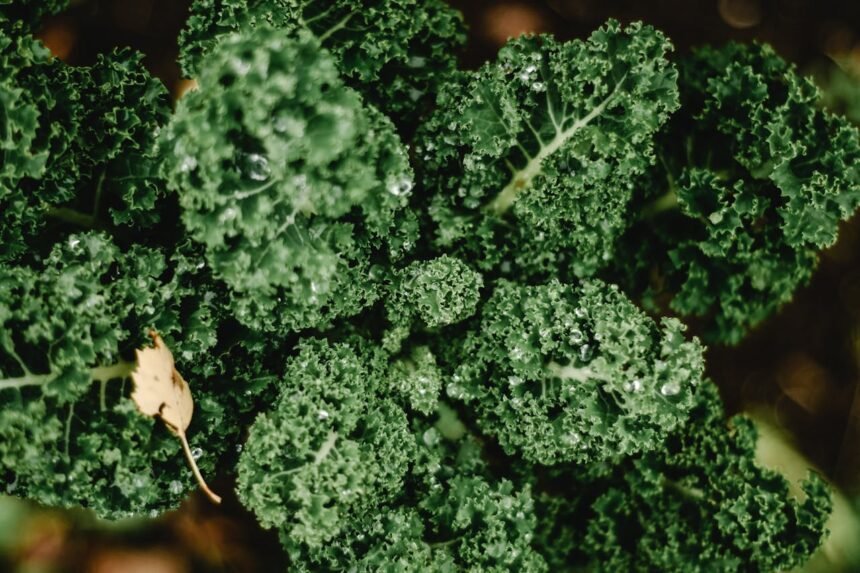
In the world of nutrition, few vegetables have experienced a meteoric rise quite like kale. Once relegated to a decorative garnish at salad bars, this cruciferous vegetable has transformed into the poster child of the wellness movement. From green juices to crispy chips, kale is everywhere. But is the hype justified?
As a member of the Brassica oleracea family—which also includes broccoli, cauliflower, and Brussels sprouts—kale is often labeled a “superfood.” While this term is a marketing concept rather than a strict scientific classification, the nutrient profile of kale makes a compelling case for the title. It is one of the most nutrient-dense foods on the planet, offering a staggering amount of vitamins, minerals, and bioactive compounds for very few calories.
In this detailed breakdown, we will explore the science behind kale’s reputation, examining its impact on heart health, inflammation, and disease prevention, while providing practical advice on how to incorporate it into your diet.
The Nutritional Powerhouse: A Look at the Numbers
To understand why kale is revered, one must look at its nutritional resume. A single cup of raw kale (about 67 grams) contains roughly 33 calories, yet it delivers a massive payload of essential micronutrients. It is low in fat, and the small amount of fat it does contain is primarily the omega-3 fatty acid called alpha-linolenic acid (ALA).
According to the USDA FoodData Central, a single cup provides well over the daily value for Vitamin K, a significant amount of Vitamin A (from beta-carotene), and more Vitamin C than most other vegetables. When we talk about nutrient density, we are referring to the ratio of nutrients to calories. By this metric, kale is nearly unbeatable.
Understanding nutrient density is key to optimizing a healthy diet. Instead of focusing solely on calorie counting, shifting the focus to the quality of food allows for better metabolic health and energy regulation. Kale is the epitome of a high-volume, high-nutrient food that supports satiety and overall wellness.
Vitamin K: The Unsung Hero of Bone and Blood Health
One of the most standout features of kale is its Vitamin K content. Just one cup of raw kale can provide almost 700% of the recommended daily intake. Vitamin K is a fat-soluble vitamin that is absolutely critical for the body’s blood-clotting mechanism. Without it, simple cuts could lead to excessive bleeding.
However, the benefits extend far beyond coagulation. Vitamin K plays a vital role in bone health by activating proteins that bind calcium. Some studies suggest that adequate Vitamin K intake is associated with a reduced risk of bone fractures. For those looking to learn more about skeletal strength, you can read our guide on natural approaches to bone health.
It is important to note that because Vitamin K interferes with blood thinners like warfarin, individuals on such medication should consult their doctors before drastically increasing their kale intake. For the general population, however, it is a crucial nutrient often missing from the modern diet. The National Institutes of Health (NIH) highlights the importance of consistent Vitamin K intake for maintaining vascular health.
Antioxidants and Anti-Inflammatory Properties
Oxidative stress is believed to be one of the leading drivers of aging and many chronic diseases, including cancer. It occurs when there is an imbalance between free radicals—unstable molecules—and antioxidants in your body. Kale is loaded with powerful antioxidants like quercetin and kaempferol.
These substances have been studied extensively in test tubes and animals. They have powerful heart-protective, blood pressure-lowering, anti-inflammatory, anti-viral, anti-depressant, and anti-cancer effects. Chronic inflammation is the root of many modern ailments, so incorporating foods that actively reduce this response is essential. You can discover more about this in our article on fighting chronic inflammation naturally.
Quercetin and Kaempferol
The flavonoid quercetin, found abundantly in kale, is known for its ability to combat inflammation. Similarly, kaempferol has demonstrated potential in reducing the risk of chronic diseases. A study published in PubMed suggests that high intakes of these specific flavonoids may lower the risk of developing heart disease and certain cancers.
Heart Health and Cholesterol Management
Heart disease remains the leading cause of death globally. Interestingly, kale contains substances called bile acid sequestrants, which can lower cholesterol levels. This mechanism works by binding bile acids in the digestive system and preventing them from being reabsorbed. This reduces the total amount of cholesterol in the body.
One study found that drinking kale juice every day for 12 weeks increased HDL (the “good”) cholesterol by nearly 30% and lowered LDL (the “bad”) cholesterol by 10%. While juicing is one method, eating steamed kale is actually more effective at binding bile acids. According to The American Heart Association, a diet rich in leafy greens is a cornerstone of cardiovascular prevention.
If you are actively trying to manage your lipid profile, consider integrating kale into a broader heart-healthy diet plan that includes healthy fats and soluble fibers.
Loaded with Vitamin C
When people think of Vitamin C, they usually think of citrus fruits. However, kale is an excellent source of this water-soluble antioxidant. In fact, raw kale contains more Vitamin C than a whole orange. Vitamin C is necessary for the synthesis of collagen, the most abundant structural protein in the body. It also serves as a vital immune system booster.
Maintaining high Vitamin C levels is crucial during cold and flu season. For more strategies on staying healthy during the winter months, check out our tips on immune system boosters. Furthermore, unlike spinach, kale is low in oxalates, which can sometimes interfere with mineral absorption, making the calcium and iron in kale highly bioavailable, especially when aided by the presence of Vitamin C.
Kale and Cancer Prevention
Cancer is a complex disease characterized by the uncontrolled growth of cells. Kale contains several compounds that are believed to have protective effects against cancer. One such group of compounds is glucosinolates. When you chew and digest kale, these glucosinolates are broken down into biologically active compounds like indoles and isothiocyanates.
Research suggests that these compounds may help inhibit the growth of cancer cells in the bladder, breast, colon, liver, lung, and stomach. The National Cancer Institute provides extensive data on how cruciferous vegetables contribute to cancer prevention strategies.
While no single food can cure cancer, a diet rich in these protective vegetables is a wise preventative measure. It pairs well with other foods that fight cancer, such as berries, nuts, and fatty fish.
Eye Health: Lutein and Zeaxanthin
One of the most common consequences of aging is that eyesight gets worse. Fortunately, there are several nutrients that can help prevent this from happening. Two of the main ones are lutein and zeaxanthin, carotenoid antioxidants that are found in large amounts in kale.
Many studies have shown that people who eat enough lutein and zeaxanthin have a much lower risk of macular degeneration and cataracts, two very common eye disorders. The American Academy of Ophthalmology recommends leafy greens as a primary source for these vision-protecting nutrients.
To maximize the absorption of these fat-soluble antioxidants, it is best to consume kale with a source of healthy fat, such as olive oil or avocado. Read more about nutrition for eye health to see what other foods should be on your plate.
Weight Loss and Satiety
Kale has several properties that make it a weight-loss-friendly food. It is very low in calories but still provides significant bulk that should help you feel full. Because of the low calorie and high water content, kale has a low energy density. Eating plenty of foods with a low energy density has been shown to aid weight loss in numerous studies.
Furthermore, kale contains a small amount of protein and a good amount of fiber. Dietary fiber is arguably the most important nutrient for weight management. The Centers for Disease Control and Prevention (CDC) emphasizes that fiber-rich foods take longer to digest, keeping blood sugar stable and hunger at bay.
If you are struggling with meal ideas that support a healthy weight, look into our guide on high-fiber meal prep for the week.
Potential Downsides: Goitrogens and Oxalates
While kale is a superfood, it is important to address potential concerns. Kale contains goitrogens, which are substances that can interfere with thyroid function by blocking the uptake of iodine. However, this is generally only a concern for people who already have thyroid issues and consume very large amounts of raw kale.
Cooking kale—steaming, boiling, or sautéing—significantly deactivates the enzyme responsible for the goitrogenic effect. Therefore, those with thyroid concerns can still enjoy kale if it is cooked. You can learn more about managing thyroid health through diet in our article on thyroid health and nutrition.
Additionally, while lower in oxalates than spinach, kale does contain some. High oxalate intake can contribute to kidney stones in susceptible individuals. The National Kidney Foundation suggests drinking plenty of water and pairing oxalate-rich foods with calcium to mitigate this risk.

How to Select and Store Kale
To get the most out of this vegetable, you need to know how to pick it. Look for crisp, tender leaves with a rich, deep green color. Avoid any leaves that are yellowing or wilting. Smaller leaves will generally be more tender and have a milder flavor than large, tough leaves.
Store kale in the refrigerator, preferably in a plastic bag with most of the air removed. It can stay fresh for up to 5 days. For longer storage, you can wash, chop, and blanch the kale before freezing it. This is a great way to have greens ready for smoothies or soups. For more tips on handling produce, visit our guide to storing vegetables.
Simple Ways to Add Kale to Your Diet
Many people find the texture of raw kale too fibrous or the taste too bitter. Here are a few culinary strategies to make it delicious:
- Massaged Kale Salad: Drizzle olive oil and lemon juice over raw kale and massage it with your hands for 2-3 minutes. This breaks down the cellulose structure, making it tender and sweet.
- Kale Chips: Toss leaves in oil and spices, then bake at a low temperature until crispy. A healthy alternative to potato chips.
- Smoothies: Blend a handful of frozen kale into your morning smoothie. The cold masks the flavor, especially when paired with banana or pineapple. Check out our favorite green smoothie recipes.
- Soups and Stews: Add chopped kale in the last 10 minutes of cooking. It holds its texture better than spinach.
For official dietary guidelines and more recipe inspiration, the USDA MyPlate resources are invaluable.
The Bottom Line
Is kale a superfood? The evidence overwhelmingly points to yes. Its incredibly dense nutrient profile, combined with powerful antioxidants and cancer-fighting compounds, makes it one of the healthiest foods you can eat. Whether you are looking to boost your heart health, improve your vision, or simply add more volume to your meals for weight management, kale is a versatile and potent ally.
However, balance is key. No single food creates health on its own. Kale works best when it is part of a diverse, colorful diet rich in whole foods. By rotating your greens—switching between kale, spinach, chard, and collards—you ensure a broad spectrum of nutrients. For a comprehensive look at how to structure your intake, review our balanced diet essentials.
Adding kale to your routine is a small change that can yield significant long-term benefits. As research continues to unveil the complexities of plant-based nutrition, kale remains a steadfast champion in the garden and the kitchen. For further reading on global health standards regarding vegetable intake, consult the World Health Organization (WHO).