It is easy to take your vision for granted. For many of us, navigating the world relies heavily on our ability to see clearly, yet we often prioritise other aspects of our physical well-being over our eyes. You might visit your GP for a check-up or see a dentist regularly, but when was the last time you visited an optician?
Many people believe that if they can see clearly, their eyes are healthy. Unfortunately, this is a common misconception that can lead to preventable sight loss. Vision changes are often subtle and painless, occurring so gradually that you may not realise your sight has deteriorated until permanent damage has been done.
Furthermore, an eye examination is not merely about checking if you need glasses. It is a vital health assessment that acts as a window into your general systemic health. Opticians can detect early signs of serious medical conditions—ranging from diabetes to high blood pressure—long before you notice any physical symptoms yourself.
Prioritising your eye health is an act of self-care that protects your future independence and quality of life.
What is a comprehensive eye test?
A comprehensive eye test is far more extensive than simply reading letters off a chart on the wall. While checking your visual acuity (how clearly you can see) is a component, a full examination investigates the complete biological health of the eye structures.
When you visit an optometrist in the UK, the process typically involves several distinct stages tailored to assess different functions:
- History Taking: The optometrist will discuss your general health, medication, and family history of eye conditions like glaucoma.
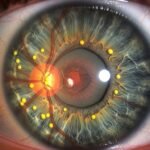
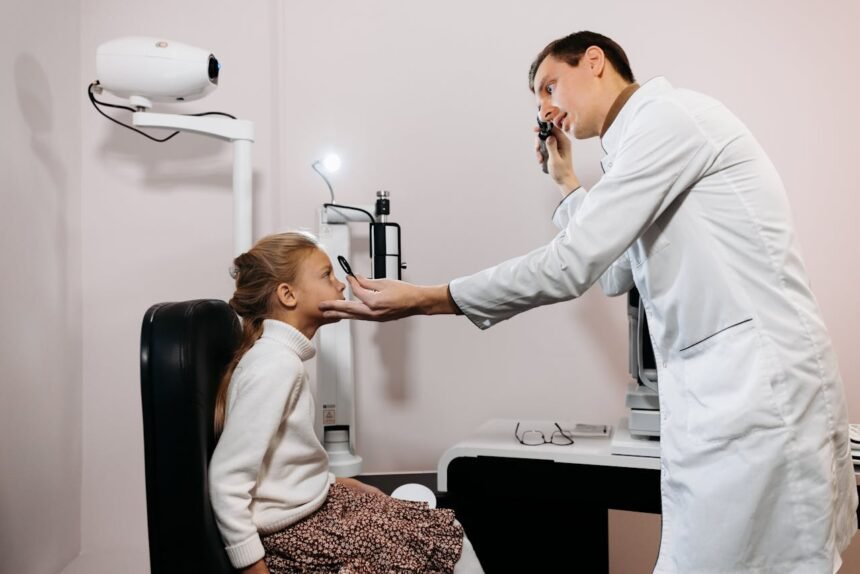
- Internal Examination: Using an ophthalmoscope or a slit lamp, the specialist examines the back of the eye (the retina), the optic nerve, and blood vessels. This is crucial for spotting damage.
- Intraocular Pressure (Tonometry): This measures the pressure inside your eye. High pressure is a key indicator of glaucoma.
- Visual Field Test: This assesses your peripheral (side) vision to ensure you do not have blind spots.
Modern technology has enhanced these procedures significantly. Many practices now offer Optical Coherence Tomography (OCT), which is effectively an ultrasound for the eye using light. This allows opticians to see beneath the surface of the retina and detect issues years before traditional methods would.
According to the NHS guide on eye tests, these checks are vital for everyone, not just those who already wear corrective lenses. Detecting issues early means treatment can be more effective, potentially saving your sight.
Why regular eye tests are essential: A deep dive
The primary reason to book an appointment is, naturally, to correct vision problems. Refractive errors like myopia (short-sightedness), hyperopia (long-sightedness), and astigmatism can cause headaches and fatigue if left uncorrected. However, the benefits extend far beyond clearer vision.
1. Detecting the “Silent Thief of Sight”
Glaucoma is often called the “silent thief of sight” because it develops slowly and usually painlessly. It occurs when the optic nerve is damaged, often due to high pressure in the eye. Without detection, it can lead to irreversible blindness.
Because peripheral vision is lost first, you may not notice a change until it is too late. Regular screening is the only way to catch glaucoma early enough to manage it. Leading charities like Moorfields Eye Charity emphasise that early diagnosis is critical for preserving vision.
2. Identifying Systemic Health Issues
Your eyes are the only place in the body where a doctor can see blood vessels and nerve tissue directly without surgery. This unique vantage point allows optometrists to spot signs of wider health problems:
- Diabetes: High blood sugar can damage the tiny blood vessels in the retina, a condition known as diabetic retinopathy. Opticians often spot this before a patient has been diagnosed with diabetes.
- High Blood Pressure: Hypertensive retinopathy involves the narrowing or leaking of retinal blood vessels, indicating risk for stroke or heart attack.
- High Cholesterol: A blue or yellow ring around the cornea (arcus senilis) or deposits in the blood vessels can signal high cholesterol levels.
According to Diabetes UK, everyone with diabetes aged 12 and over should have regular eye screening, but a standard eye test is often the first step in diagnosis for the unaware.
3. Managing Digital Eye Strain
In our modern digital age, we spend hours staring at screens. This can lead to Computer Vision Syndrome (CVS), characterised by dry eyes, blurred vision, headaches, and neck pain.
Regular tests allow your optician to recommend specific lens coatings or prescriptions tailored for intermediate distances (computer work), reducing fatigue. Resources from Healthline regarding eye health suggest that discussing your screen habits with your doctor is an essential part of the exam process.
4. Children’s Development
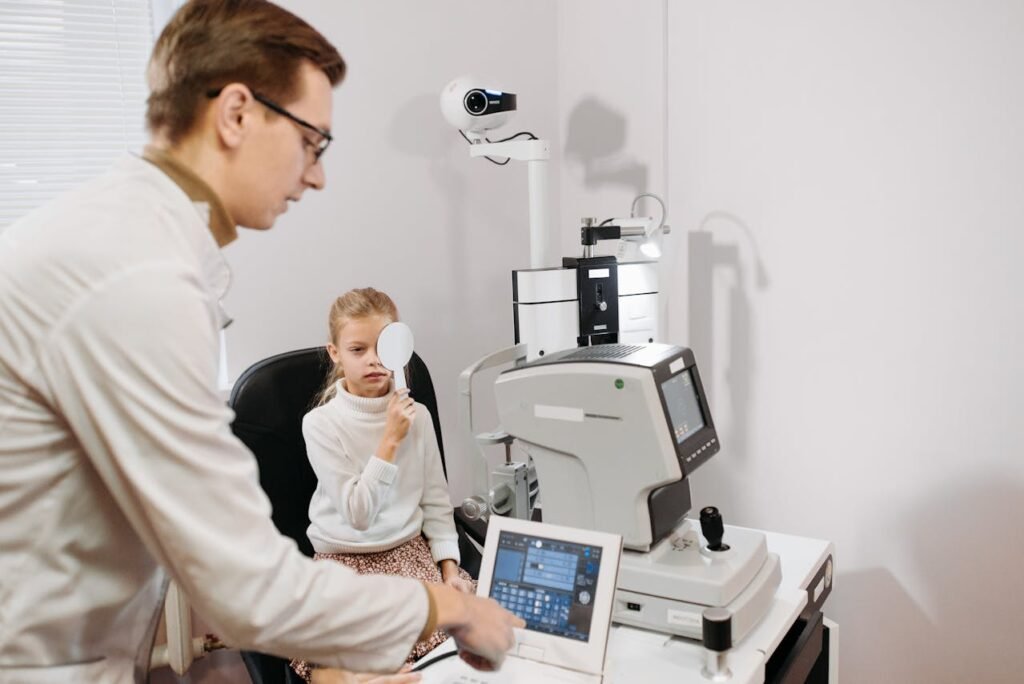
For children, vision is the primary pathway for learning. An undiagnosed vision problem can be mistaken for learning difficulties or behavioural issues. Conditions like “lazy eye” (amblyopia) are much harder to treat after the age of seven or eight.
The Association of Optometrists recommends that children have their first eye examination before they start school to ensure they have the best start in their education.
Actionable steps for maintaining eye health
While visiting a professional is key, your daily habits play a significant role in preserving your vision. Incorporate these evidence-based strategies into your routine:
Adopt the 20-20-20 Rule
To combat screen fatigue, use the 20-20-20 rule. Every 20 minutes, look at something 20 feet away for at least 20 seconds. This relaxes the focusing muscles inside the eye. It is a simple habit that can drastically reduce end-of-day headaches.
Protect against UV Damage
Ultraviolet (UV) rays from the sun can damage your eyes just as they damage your skin. Prolonged exposure increases the risk of cataracts and macular degeneration. Always choose sunglasses that carry the CE mark or British Standard BS EN ISO 12312-1, which ensures they block adequate UV light.
Cancer Research UK highlights that sun safety is vital for preventing eye melanomas, a rare but serious type of cancer.
Eat for your Eyes
Nutrition has a direct impact on visual performance. A diet rich in omega-3 fatty acids, lutein, zinc, and vitamins C and E can help ward off age-related vision problems. Focus on:
- Green leafy vegetables: Spinach, kale, and collards.
- Oily fish: Salmon, tuna, and mackerel.
- Non-meat protein sources: Eggs, nuts, and beans.
- Citrus fruits: Oranges and grapefruits.
Recommended Frequency of Eye Tests
How often you should go depends on your age, health, and family history. Below is a general guideline for the UK population.
| Age Group | Recommended Frequency | Key Considerations |
|---|---|---|
| Children (0-15) | Every year | Vision changes rapidly during growth; essential for learning. |
| Adults (16-59) | Every 2 years | Unless advised otherwise by an optometrist. |
| Seniors (60-69) | Every 2 years | Risk of cataracts and macular degeneration increases. |
| Seniors (70+) | Every year | Higher risk of glaucoma and rapid vision changes. |
| Diabetics/Glaucoma Risk | Every year (or more often) | Requires close monitoring for retinopathy and pressure changes. |
Note: Always follow the specific advice of your optometrist, as your individual needs may vary.
Frequently Asked Questions
Do eye tests hurt?
No, eye tests are painless. The puff-of-air test (tonometry) can be slightly surprising, but it does not cause pain. If you require pupil dilation drops, you may be sensitive to light for a few hours afterwards.
Am I eligible for a free NHS eye test?
In the UK, many groups are eligible for free tests, including those aged under 16, over 60, or those with diabetes or glaucoma in the family. You can check your eligibility on the GOV.UK guide to NHS costs.
Can an eye test detect brain tumours?
Yes, in rare cases. Opticians can see swelling of the optic nerve (papilloedema), which can indicate increased pressure in the skull, sometimes caused by a tumour. Organisations like The Brain Tumour Charity confirm that vision changes are often an early symptom.
Is online vision testing accurate?
Online tests can give a rough estimate of your visual acuity, but they cannot examine the health of your eye tissues. They are not a substitute for a professional in-person examination.
The Bottom Line
Your eyes are resilient, but they are not invincible. Regular eye tests are the cornerstone of preventative health care, capable of detecting not just vision issues but life-altering systemic conditions.
We understand that fitting appointments into a busy schedule can be difficult. However, considering that 50% of sight loss is preventable, the hour you spend at the opticians is one of the most valuable investments you can make.
Do not wait for your vision to blur. If it has been more than two years since your last check-up, or if you notice any changes in your sight, book an appointment today. For more information on maintaining good vision, consult resources from the Royal National Institute of Blind People (RNIB).
Your future self will thank you for the clarity.