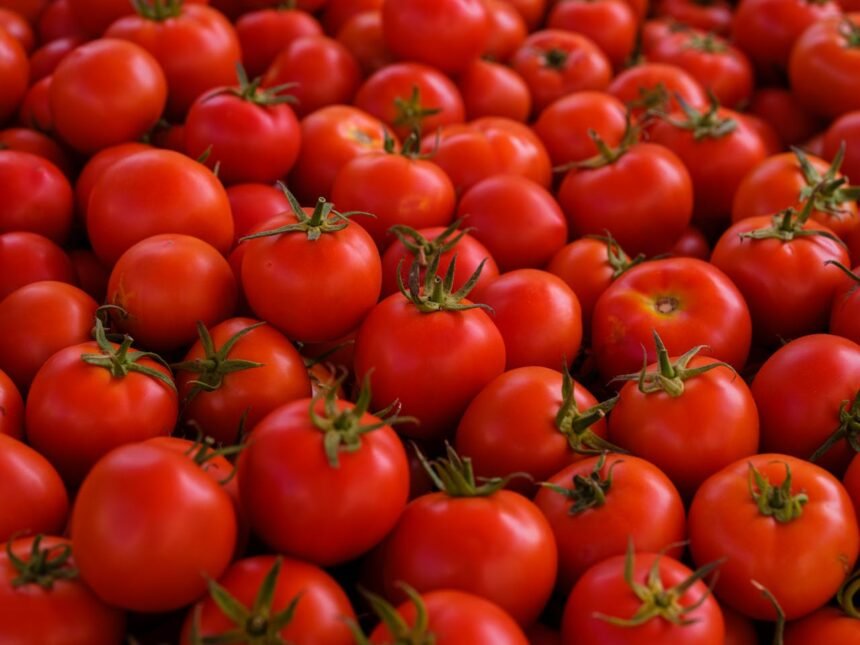
It is a common scenario in kitchens across the UK: a pot of boiling water, a bowl of ice, and a pile of fresh tomatoes waiting to be blanched and peeled. Many traditional recipes, particularly for pasta sauces and soups, insist that the skin is an unwanted element that ruins the texture of a dish.
However, before you discard those red peels, it is vital to realise what you are throwing away. By removing the skin, you may be discarding the most nutrient-dense part of the vegetable. While the flesh provides hydration and flavour, the skin is a fortress of antioxidants and dietary fibre.
Recent nutritional science suggests that keeping the skin on does not just reduce food waste; it significantly enhances the health profile of your meal. From bolstering heart health to potentially reducing the risk of chronic diseases, the humble tomato skin is a powerhouse that deserves to stay on your plate.
This article explains why you should stop peeling your tomatoes, the science behind the nutrients located in the skin, and how to prepare them safely.
Overview
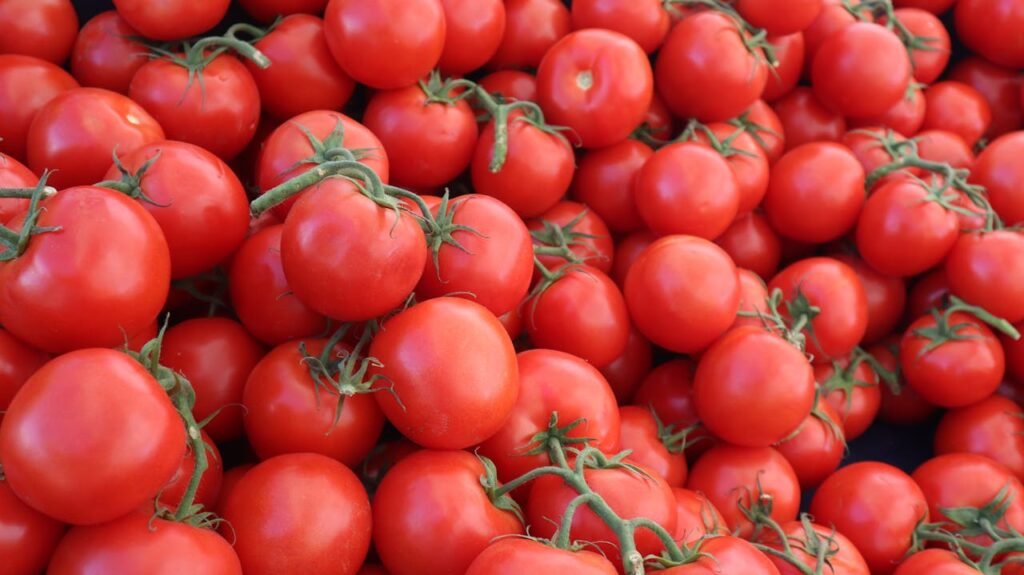
The tomato (Solanum lycopersicum) is a staple in the British diet, celebrated for its versatility and vibrant flavour. While often treated as a vegetable in culinary contexts, it is botanically a fruit. The skin of the tomato, known as the epicarp, serves a crucial biological function: it protects the fruit from pests, UV radiation, and environmental stress.
To perform this protective role, the plant concentrates specific chemical compounds in the skin. These compounds, primarily carotenoids and flavonoids, act as a shield for the plant and, when consumed, function as antioxidants in the human body.
When you peel a tomato, you are essentially stripping away this protective layer. Research indicates that up to 98% of the flavonols (a type of antioxidant) in a tomato are found in the skin. Furthermore, the skin contains a higher concentration of lycopene and insoluble fibre compared to the pulp and seeds.
Despite the clear nutritional advantages, the practice of peeling persists. This is largely due to texture preferences, as the skin can sometimes become tough or separate during long simmers. However, with the right cooking techniques, these texture issues can be easily managed without sacrificing nutrition.
Symptoms and causes
In the context of nutrition, we can view “symptoms” as the nutritional deficits that occur when we habitually peel vegetables, and “causes” as the reasons behind the concentration of nutrients in the skin.
The “Symptoms” of Peeling: What Do We Lose?
Removing the skin from your tomatoes results in a significant reduction of overall nutrient intake. If you consistently peel your produce, you may be missing out on key health benefits:
- Reduced Antioxidant Capacity: The vast majority of phenolic compounds are located in the skin. Discarding this leads to a meal with lower anti-inflammatory potential.
- Lower Fibre Intake: The flesh of the tomato contains soluble fibre and water, but the skin is the primary source of insoluble fibre. This type of fibre is essential for digestion and bowel regularity.
- Loss of Carotenoids: While the red flesh contains lycopene, the concentration is often denser in the skin, which acts as the fruit’s sunscreen.
The Causes: Why Is the Skin so Nutritious?
The reason tomato skin is so beneficial lies in plant biology. The skin is the interface between the fruit and the outside world. To survive, the tomato plant deposits phytochemicals in the outer layer to ward off fungal infections and absorb sunlight safely.
Lycopene Accumulation
Lycopene is the pigment responsible for the bright red colour of tomatoes. It is a powerful antioxidant linked to a reduced risk of heart disease and certain cancers. Because the skin is exposed to direct sunlight, the plant synthesises high levels of lycopene there to protect the seed-bearing flesh from UV damage.
Naringenin and Flavonoids
Naringenin is a flavonoid shown to decrease inflammation. It is found almost exclusively in the tomato skin. By peeling the fruit, you eliminate this compound entirely from your serving.
Dietary Fibre Structure
The structural integrity of the tomato depends on the skin. This toughness is due to cellulose and lignin—forms of dietary fibre that aid human digestion by adding bulk to stools and feeding beneficial gut bacteria.
Diagnosis and treatment
To maximise the benefits of tomatoes, we must “diagnose” the nutrient profile correctly and “treat” the vegetable with the appropriate cooking methods to unlock its full potential.
Diagnosis: The Nutritional Breakdown
Understanding exactly what is in the skin helps confirm why it should be retained. The following table illustrates the potential nutrient retention and benefits of consuming unpeeled tomatoes.
| Nutrient Component | Primary Location | Function in Body | Impact of Peeling |
|---|---|---|---|
| Lycopene | Skin & Flesh | Supports heart health; protects skin from sun damage. | Moderate loss of total concentration. |
| Naringenin | Skin (Exclusive) | Anti-inflammatory; improves immune response. | Total loss. |
| Insoluble Fibre | Skin | Promotes regular bowel movements; prevents constipation. | Significant reduction. |
| Beta-carotene | Skin & Flesh | Converts to Vitamin A; supports vision and immunity. | Moderate reduction. |
| Quercetin | Skin | Reduces blood pressure; antihistamine properties. | High reduction. |
Treatment: How to Maximise Absorption
Simply eating raw tomato skins is good, but “treating” them with heat and fat is even better. Lycopene is fat-soluble, meaning your body absorbs it much more efficiently when it is consumed with dietary fat, such as olive oil.
The Heat Factor
Unlike many vitamins that degrade under heat (like Vitamin C), lycopene becomes more bioavailable when cooked. The heat breaks down the tough cell walls of the tomato skin, releasing the nutrients so your body can utilise them.
- Roasting: Roasting unpeeled tomatoes until they blister helps soften the skin, making it palatable while concentrating the flavours and nutrients.
- Blitzing: If you dislike the texture of the skin in sauces, simply use a high-powered blender to pulverise the unpeeled tomatoes. This retains the fibre and flavonoids without the stringy texture.
- Stewing: When making stews, leave the skins on. The long cooking time will eventually soften them, and the nutrients will leech into the broth, enriching the entire dish.
For more on how cooking affects nutrient absorption, you can consult resources from Healthline regarding tomato nutrition.
Tips for management
Managing the inclusion of tomato skins in your diet involves addressing concerns about texture and potential pesticide residues. Here are practical strategies to manage these issues safely and effectively.
1. Prioritise Organic or Wash Thoroughly
One valid concern regarding tomato skins is that they can hold pesticide residues. The skin is the barrier that catches these sprays.
- Wash Correctly: Rinse tomatoes under cold running water for at least 30 seconds. You can also use a mixture of water and bicarbonate of soda to help degrade surface residues.
- Buy Organic: If your budget allows, organic tomatoes are grown without synthetic pesticides, making the skin safer to consume directly.
According to GOV.UK food safety standards, washing fresh produce is a critical step in minimising risk from soil and chemical contaminants.
2. Texture Management Techniques
If you find tomato skins unpleasant to chew, you do not have to resort to peeling.
- The Sharp Knife Rule: Ensure your kitchen knife is extremely sharp. A dull knife tears the skin, leaving ragged edges that are noticeable in salads. A clean slice makes the skin imperceptible.
- Fine Dicing: For salsas or bruschetta, dice the tomatoes finely. Small pieces of skin are less likely to be bothersome than large wedges.
3. Pairing for Health
To get the most out of the tomato skin, pair it with heart-healthy fats.
- Olive Oil: Drizzle extra virgin olive oil over your tomato salad or sauce. This is a staple of the Mediterranean diet, which is strongly linked to longevity.
- Avocado: Combine tomatoes with avocado for a nutrient-dense meal that boosts carotenoid absorption.
You can learn more about balanced eating and the Eatwell Guide on the NHS website.
4. Storage Matters
Do not store whole tomatoes in the fridge unless they are cut. Cold temperatures can damage the cell membranes in the skin, leading to a mealy texture and a loss of flavour. Keep them in a fruit bowl at room temperature.
FAQ: Common Questions About Tomato Skin
Is tomato skin hard to digest?
For most people, no. It contains insoluble fibre, which aids digestion. However, for individuals with specific gastrointestinal conditions like diverticulitis or severe IBS, fibrous skins might cause irritation. In such cases, consult a dietitian. You can find more on digestive health from The Gut Health Doctor.
Does the skin contain wax?
Tomatoes naturally produce a waxy cuticle to prevent moisture loss. Commercial tomatoes are sometimes coated with a food-grade wax to extend shelf life. This is safe to eat, but washing is recommended.
Are canned tomatoes with skins beneficial?
Yes. While many canned varieties are peeled, you can buy unpeeled canned tomatoes. These are excellent for stews. Information on processed vegetable nutrition is available via the British Nutrition Foundation.
Do different coloured tomatoes have different skin benefits?
Yes. Darker skins (deep red or purple) often contain anthocyanins, another powerful antioxidant class. Yellow varieties may have different carotenoid profiles.
The bottom line
Peeling tomatoes is a culinary habit that often subtracts more value than it adds. The skin is a concentrated source of lycopene, naringenin, and essential dietary fibre that supports gut health and reduces inflammation.
While texture preferences are understandable, simple preparation methods like blending, roasting, or fine dicing can solve these issues without necessitating waste. By keeping the skin on, you maximise the health benefits of this versatile fruit.
Always wash your produce thoroughly to remove residues, and pair your tomatoes with healthy fats to ensure your body absorbs the vital nutrients locked within the skin. For the best health outcomes, embrace the whole tomato.
For further reading on the role of diet in disease prevention, visit Cancer Research UK or the British Heart Foundation. Additionally, for broad advice on healthy lifestyle choices, the BBC Good Food health section and Diabetes UK offer excellent resources on incorporating more vegetables into your diet. Finally, check the EFSA for European safety data on produce.