Winter brings a natural craving for comfort foods and hearty flavours. Unfortunately, this often leads to an increased intake of refined sugars and saturated fats found in traditional seasonal treats. A Winter Squash Pie offers a sophisticated solution to this dietary dilemma.
This dessert utilises the natural sweetness of seasonal gourds like butternut, acorn, or kabocha squash. By relying on complex carbohydrates rather than refined sugars, it provides a slow release of energy.
For those managing weight or blood glucose levels, this switch is nutritionally significant. It mimics the texture of high-calorie custards without the heavy caloric load.
This article explores the clinical benefits of swapping heavy puddings for vegetable-based desserts. We will examine the nutritional profile of winter squash and how to prepare it healthfully.
Why Choose Squash Over Traditional Desserts?
The British winter diet is often saturated with calorie-dense options. We frequently see patients consuming heavy items like Winter Fruit Cake or dense puddings.
These traditional desserts are often laden with dried fruits soaked in syrup and heavy suet. While delicious, they offer very little in terms of essential micronutrients. In contrast, squash-based desserts provide density through vegetable matter.
Replacing a slice of cake with a slice of squash pie increases your intake of potassium and magnesium. These electrolytes are vital for heart health, as noted by the British Heart Foundation.
Furthermore, the water content in squash adds volume to the food without adding calories. This concept, known as volumetrics, is a proven strategy for weight management.
Nutritional Profile and Health Benefits
The Power of Beta-Carotene
Winter squash is one of the best vegetable sources of beta-carotene. This powerful antioxidant converts to Vitamin A in the body.
Vitamin A is crucial for maintaining healthy vision and a robust immune system. During the colder months, supporting immunity is paramount to ward off seasonal viruses. For more on immune health, read about seasonal immune strategies.
Regular consumption of beta-carotene has also been linked to skin health. It protects against UV damage, which can still occur during winter.
Fibre and Digestive Health
Most adults in the UK do not consume enough fibre. The NHS suggests 30g of fibre a day.
A slice of Winter Squash Pie contributes significantly to this daily target. Fibre acts as a prebiotic, feeding the beneficial bacteria in your gut microbiome. See our guide on improving gut flora.
Unlike the refined flour in Cinnamon Buns, the fibre in squash slows down digestion. This prevents the rapid insulin spikes associated with white flour pastries.
Integrating Squash Pie into a Winter Menu
Balanced Meal Planning
A healthy dessert should complement the nutrient profile of your main meal. If your dinner consists of a protein-rich Vegetarian Shepherd’s Pie, a squash dessert adds necessary vitamins.
For meat-eaters, heavy mains often lack sufficient vegetables. Serving this pie after a Sunday roast ensures you still meet your 5 A Day target.
It serves as a lighter alternative to cheese courses. While a wheel of Baked Camembert is popular, it is incredibly high in saturated fat.
Breakfast and Snack Alternatives
Leftover squash pie can actually serve as a nutritious breakfast. It is nutritionally superior to sugary cereals or white toast.
Think of it as a solid form of Winter Porridge, providing oats (in the crust) and vegetable nutrients. It pairs excellently with herbal tea or coffee.
For afternoon tea, it replaces empty calories. Instead of Winter Scones with jam and cream, a slice of this pie offers sustained energy without the crash.
Culinary Science: Preparing the Perfect Pie
Selecting the Right Squash
Not all squashes are created equal for baking. Butternut squash is widely available and offers a smooth texture. Kabocha (Japanese pumpkin) is denser and sweeter.
Avoid water-heavy varieties used for carving. You want a squash with a high dry-matter content for a creamy consistency. Learn more about seasonal vegetable selection.
Roasting vs. Boiling
To maximise flavour and nutrition, always roast your squash. Boiling causes water-soluble vitamins like Vitamin C to leach out into the water.
Roasted Tubers and squashes caramelise in the oven, enhancing natural sweetness. This reduces the need for added sugar in the recipe.
Roasting also reduces moisture content. This prevents the pie filling from becoming watery or separating.
The Crust Connection
The crust is where many pies lose their health rating. We recommend a crust made from nut flour or wholemeal oats.
This adds healthy fats and extra fibre. It creates a nutritional profile similar to Warm Lentils or other whole-food plant sources. Read about incorporating healthy fats into baking.
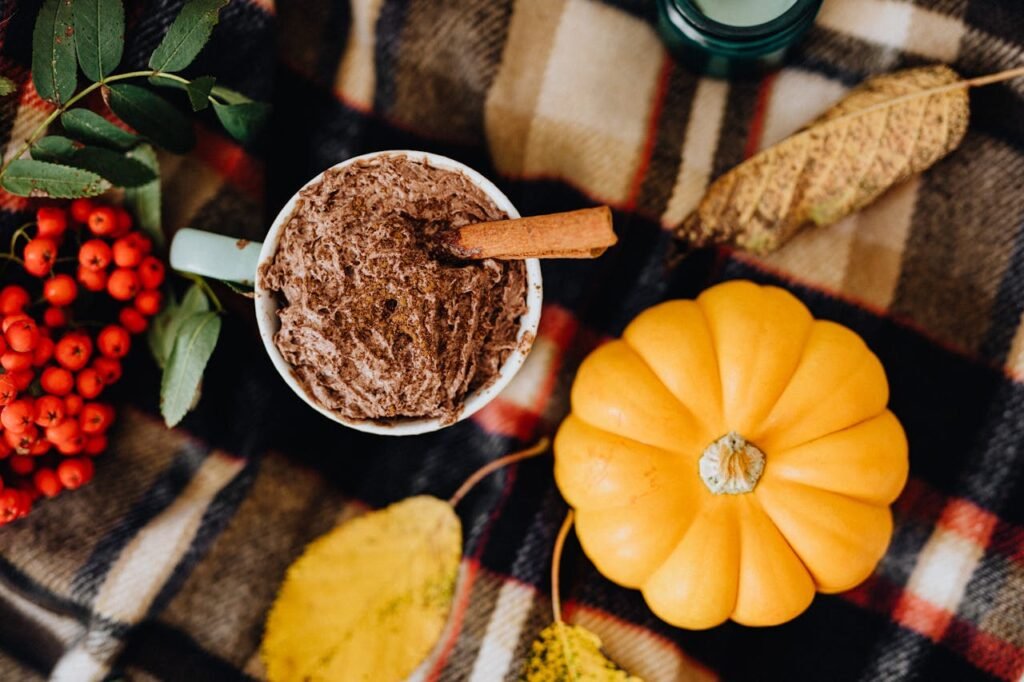
Spices and Metabolism
The Role of Cinnamon and Nutmeg
The spices used in Winter Squash Pie are not just for flavour. Cinnamon has been shown to help improve insulin sensitivity.
According to Diabetes UK, managing sugar spikes is key for long-term health. Using generous amounts of cinnamon allows you to cut back on sugar.
Ginger and nutmeg also have anti-inflammatory properties. They aid digestion and warm the body, similar to the effect of a Root Stew.
Reducing Added Sugars
You can sweeten this pie with natural alternatives. Maple syrup or pureed dates work exceptionally well.
Some bakers use apple sauce to add sweetness and moisture. This mimics the flavour profile of Baked Apples without the need for caramel sauce.
For a truly low-sugar version, consider using stevia or erythritol. However, natural whole-food sweeteners are generally preferred for their micronutrient content.
Serving Suggestions for Maximum Nutrition
Smart Toppings
Avoid heavy double cream. Instead, top your pie with a dollop of Greek yogurt or skyr.
A spoonful of Winter Compote made from berries adds tartness and anthocyanins. This increases the antioxidant capacity of the dessert significantly.
For texture, sprinkle toasted seeds or nuts on top. This is healthier than the sugary crumble found on a Winter Pudding.
Temperature Matters
Serve the pie warm to enhance digestion. Cold foods can sometimes slow gastric emptying.
Warm foods are generally more satiating. This psychological satisfaction helps prevent overeating. Explore our article on mindful eating practices.
Comparative Analysis: Pie vs. Other Winter Treats
Caloric Density
Let’s look at the numbers. A slice of traditional fruit cake can contain upwards of 400 calories.
A slice of squash pie (crustless or thin crust) is often under 200 calories. This allows for better portion control during the festive season.
Even savoury options like Parsnip Soup can be high calorie if made with cream. Squash pie relies on the vegetable’s texture for creaminess.
Nutrient Density
Snacks like Roast Chestnuts are healthy, but they lack the broad vitamin spectrum of squash. Squash provides vitamins A, C, E, and B6.
Compared to a Winter Fruit Cake, the sugar content in squash pie is drastically lower. This protects dental health and prevents energy crashes.
The World Health Organization recommends limiting free sugars to less than 10% of total energy intake.
Adapting for Dietary Restrictions
Gluten-Free Options
Winter Squash Pie is easily made gluten-free. Use an almond flour or buckwheat crust.
This makes it accessible for those with Coeliac disease. Read more about managing gluten intolerance.
Vegan Adaptations
Traditional pies use eggs to set the custard. Cornstarch or agar-agar are excellent plant-based thickeners.
Coconut milk can replace dairy cream in the filling. This adds medium-chain triglycerides (MCTs) which are metabolised efficiently.
This is a lighter vegan dessert compared to heavy chocolate ganaches. It aligns well with a plant-based diet advocated by The British Nutrition Foundation.
The Broader Context of Seasonal Eating
Environmental Impact
Eating seasonally reduces your carbon footprint. Squashes are harvested in the UK throughout autumn and keep well into winter.
This reduces the need for importing out-of-season produce. It is a more sustainable choice than exotic fruits.
Seasonal produce is also often more nutrient-dense. Learn about the benefits of local sourcing.
Cost-Effectiveness
Winter squash is an economical ingredient. It provides bulk and nutrition for very little cost.
This is important when food prices rise in winter. It is far cheaper than buying ingredients for a fancy Winter Pudding.
Using leftovers reduces food waste. Cooked squash can be frozen and used later in soups or risottos.
Conclusion: A Modern Classic
Reimagining dessert is a powerful step toward better health. The Winter Squash Pie represents a shift towards nutrient-dense eating.
It challenges the notion that comfort food must be unhealthy. By integrating vegetables into dessert, we bridge the gap between indulgence and nutrition.
This dish stands tall against sugary rivals. Whether you usually prefer Baked Apples or rich cakes, this pie offers a middle ground.
The Bottom Line
Winter Squash Pie is a superior nutritional alternative to traditional winter desserts. It offers high fibre, essential vitamins, and a lower glycaemic index.
By swapping out refined flour and sugar for squash and spices, you support heart health and digestion. It fits seamlessly into a balanced diet, complementing nutrient-rich meals.
Make this swap to enjoy the comfort of the season without compromising your health goals. Consult a registered dietitian for personalised advice.