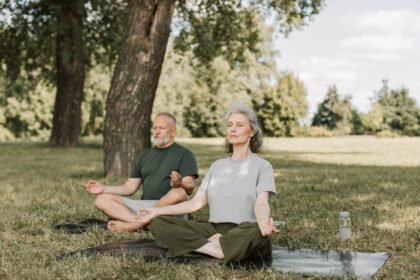
Wake Up and Flow: The Ultimate Yoga Routine for Morning Energy
For many, the morning alarm signals the start of a race against the clock. Between hitting snooze and rushing out the door, we often neglect the one thing that sets the tone for the entire day: our physical and mental state. If you struggle with grogginess, stiffness, or a lack of motivation, a targeted yoga routine for morning energy may be the evidence-based intervention your body needs.
Unlike a double shot of espresso, which provides a jittery spike followed by a crash, yoga cultivates sustained vitality. By combining breathwork (pranayama) with movement (asana), you oxygenate the blood, stimulate the lymphatic system, and regulate cortisol levels.
Whether you are looking for a hatha yoga for beginners guide or advanced flows, this comprehensive routine is designed to awaken your body, sharpen your mind, and prepare you for the day ahead.
Why Morning Movement Matters
Physiologically, the body undergoes significant changes during sleep. Your body temperature drops, muscles shorten, and fascia can become dehydrated, leading to that familiar “stiff” feeling. Integrating movement immediately upon waking helps lubricate the joints and signals the brain to transition from delta (sleep) waves to beta (active) waves.
Research indicates that mindful movement can significantly impact mental health. Regular practice is often cited as an effective complementary therapy in yoga for anxiety and depression relief, helping to stabilize mood before the stressors of the day begin.
Phase 1: Gentle Awakening (In or Near Bed)
You don’t need to jump straight into a handstand. In fact, starting with bed yoga for morning stiffness is an excellent way to transition from sleep to wakefulness gently.
1. Child’s Pose (Balasana)
Start by kneeling and bowing forward. The benefits of child’s pose in yoga are profound; it gently stretches the hips, thighs, and ankles while calming the brain and relieving stress and fatigue. It is a grounding posture that allows you to set an intention for the day.
2. Cat-Cow Pose (Marjaryasana-Bitilasana)
Move to your hands and knees. This flow is essential for warming up the spine. The cat cow pose for spinal health lubricates the vertebrae and prepares the torso for more vigorous movement. Inhale to arch your back (Cow), and exhale to round your spine (Cat).
3. Puppy Pose (Uttana Shishosana)
Walk your hands forward while keeping your hips over your knees. Puppy pose yoga benefits include opening the shoulders and softening the heart space, which is often tight after a night of side-sleeping.
Phase 2: Building Heat and Vitality
Once you are out of bed and on your mat, it is time to increase blood flow. This section focuses on a Sun Salutation A step by step progression to build internal heat (tapas).
4. Mountain Pose (Tadasana)
Stand at the top of your mat. While it looks simple, mountain pose benefits and tips focus on grounding and alignment. Press your feet into the floor, engage your quads, and lengthen your spine. This is one of the best yoga poses for better posture, counteracting the slump many of us adopt throughout the day.
5. Forward Fold to Plank
Exhale and fold forward. If you have tight legs, this is where you might feel resistance. The best yoga poses for tight hamstrings often involve gentle forward folds with bent knees. Step back into a high push-up position. Plank pose yoga variations engage the entire body, firing up the metabolism.
6. Cobra Pose (Bhujangasana)
Lower to your belly and gently lift your chest. The benefits of cobra pose yoga include strengthening the spine and opening the lungs, which is vital for deep breathing. This pose also stimulates abdominal organs, serving as excellent yoga for digestive system health.
7. Downward Facing Dog
Lift your hips high. This inversion increases blood flow to the brain, providing a natural caffeine-free energy boost.
Phase 3: Strength and Balance
Now that the body is warm, we introduce standing poses to build stability and focus.
8. Warrior II (Virabhadrasana II)
Step one foot forward and open your hips. Proper warrior 2 pose alignment tips include keeping the front knee stacked over the ankle and gazing over the front middle finger. This pose builds stamina and concentration.
9. Tree Pose (Vrksasana)
Shift your weight to one leg and place the other foot on your inner thigh or calf. Tree pose yoga for balance helps center the mind. For older adults, yoga for balance for seniors is critical for fall prevention, and Tree pose can be modified by holding onto a wall (see wall yoga for beginners).
10. Boat Pose (Navasana)
Transition to a seated position. Boat pose yoga for core strength is highly effective. A strong core supports the lower back and improves overall stability. If you are looking for a yoga for core strength at home solution, holding this V-shape for 5 breaths is incredibly efficient.
Targeting Specific Pain Points
Chronic pain is a major energy drain. Tailoring your morning routine to address specific ailments can reclaim that lost vitality.
Back and Spine Health
Back pain is one of the most common complaints globally. Incorporating yoga for lower back pain relief is essential. Bridge pose benefits for back health are twofold: it strengthens the glutes and stretches the hip flexors, relieving strain on the lumbar spine. For those with specific spinal issues, yoga for scoliosis management focuses on lengthening the spine, while yoga for sciatica relief at home often involves gentle twists and hamstring stretches.
Neck, Shoulders, and Upper Body
For office workers, yoga for neck and shoulder tension is non-negotiable. Tech-neck and hunching over keyboards restrict breathing. Simple neck rolls and shoulder openers can prevent headaches. Additionally, yoga for carpal tunnel relief involves wrist stretches that can be done on all fours or standing.
Hips and Knees
Sedentary lifestyles lead to tight hips. Pigeon pose for hip opening is the gold standard for releasing deep-seated tension in the glutes and psoas. However, if you suffer from joint issues, specific yoga for knee pain exercises—such as supported lunges—should be prioritized over deep flexion. Yoga for hip flexibility is not just about range of motion; it is about releasing emotional stress often stored in the pelvic region.
Modifications for Every Body
Yoga is not one-size-fits-all. Adapting the practice ensures safety and longevity.
- Seniors: As we age, mobility becomes the priority. Gentle yoga for seniors and seated yoga for elderly practitioners allow for movement without the risk of falling.
- Office Workers: If you can’t hit the mat, chair yoga for office workers offers discrete stretches to do at your desk to maintain energy levels.
- Pregnancy: While yoga is beneficial, safety is paramount. Prenatal yoga for third trimester requires avoiding deep twists and lying on the back. Always consult an OB-GYN.
- Weight Management: A consistent beginner yoga flow for weight loss focuses on continuous movement (Vinyasa) to keep the heart rate elevated.
- Kids: Engaging children with easy yoga poses for kids can be a fun way to burn off morning energy and improve focus before school.
Beyond Energy: Systemic Health Benefits
A consistent morning practice influences internal systems beyond the musculoskeletal structure.
Hormonal and Immune Support
Certain inversions and throat-stimulating poses are often recommended as yoga for thyroid health poses, potentially aiding in metabolic regulation. Furthermore, regular moderate exercise is linked to yoga for immune system support, helping flush toxins through the lymphatic system.
Women’s Health
For women navigating hormonal transitions, specific sequences can offer relief. Yoga for menopause symptom relief (such as cooling breaths and restorative poses) helps manage hot flashes, while gentle forward folds are excellent yoga for menstrual cramp relief.
Respiratory Health
Breath is the fuel of energy. Yoga for asthma breathing exercises can increase lung capacity and efficiency, ensuring your cells receive the oxygen they need to produce energy.
Cooling Down and Transitioning
Even a morning routine needs a brief integration period. If you are an athlete, you might use this sequence as a yoga for runners warm up before hitting the pavement. Conversely, if this is your main workout, end with a yoga for runners cool down style stretch.
End your session in Savasana. The corpse pose meditation benefits allow the nervous system to assimilate the practice. Even two minutes here can provide mental clarity. While we focused on energy, remember that evening practices like yin yoga for flexibility benefits, restorative yoga for stress relief, and specific yoga poses for better sleep are crucial for recharging so you can wake up energized the next day.
Safety Note on Vertigo
If you experience dizziness, avoid rapid head movements. Yoga for vertigo relief poses focus on stability and gazing at a fixed point, avoiding deep forward folds where the head drops below the heart.
The Bottom Line
Establishing a morning yoga ritual is an investment in your productivity and health. Whether you are doing restorative yoga sequences for burnout recovery or a power flow for strength, consistency is key. By addressing tight hips, back pain, and mental fog first thing in the morning, you empower yourself to navigate the day with resilience and calm.
Always listen to your body. If you have chronic conditions like sciatica or severe joint pain, consult a physical therapist before starting a new routine.
Additional Resources
- NCCIH: Yoga: What You Need To Know
- Harvard Health: Yoga Benefits Beyond the Mat
- Johns Hopkins: 9 Benefits of Yoga
- Sleep Foundation: Yoga and Sleep
- Arthritis Foundation: Yoga Benefits
- Cleveland Clinic: Yoga Overview
- Nature: Yoga and Cognitive Function