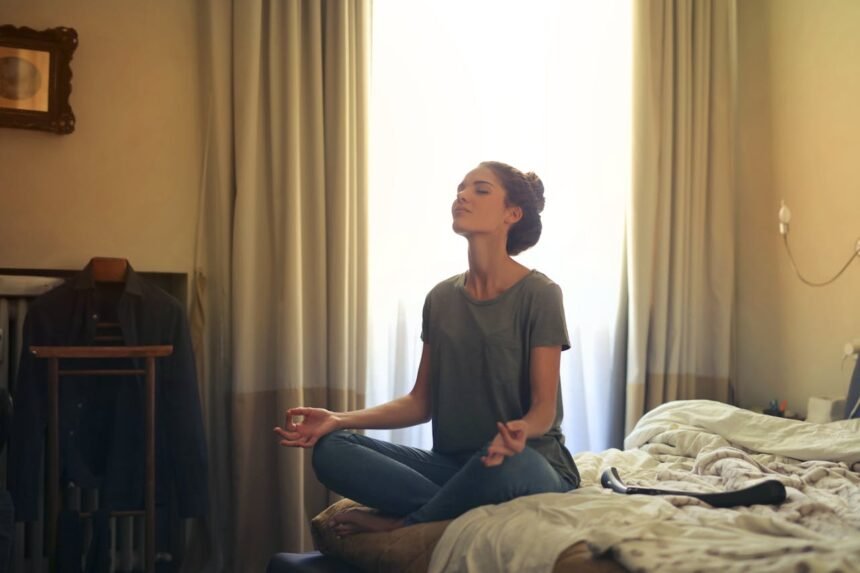
For many, the idea of walking into a yoga studio—mirrors lining the walls, seasoned practitioners twisting into pretzels, and the distinct scent of incense—can be intimidating. While studios offer community, they are not the only path to wellness. In fact, starting yoga at home is becoming the preferred method for millions seeking physical vitality and mental clarity without the pressure of a public class. It offers the ultimate flexibility, allowing you to move at your own pace, in your own space.
At the heart of many yoga traditions lies Surya Namaskar, or the Sun Salutation. This sequence of poses is more than just a warm-up; it is a complete practice in itself, linking breath with motion to generate heat and focus. This guide will walk you through the essentials of establishing a home practice and mastering your first Sun Salutation.
The Physiology and Philosophy of Home Yoga
Before unrolling the mat, it is helpful to understand why you are doing it. Yoga is not merely stretching; it is a holistic discipline that integrates the body and mind. According to the National Center for Complementary and Integrative Health (NCCIH), yoga combines physical postures, breathing techniques, and meditation or relaxation.
When you commit to starting yoga at home, you are building a sanctuary for stress relief. Research from the Mayo Clinic highlights that yoga can significantly reduce stress, lower blood pressure, and lower your heart rate. By practicing at home, you remove external distractions, allowing you to turn your attention inward more effectively.
Setting the Scene: Creating Your Sanctuary
You do not need a dedicated studio room to practice effectively. You simply need a space where you can stretch your arms and legs without hitting furniture. However, the environment matters.
- The Gear: At a minimum, invest in a non-slip yoga mat. As noted by Verywell Fit, a good mat provides the necessary traction and cushioning to prevent injury.
- The Atmosphere: minimizing noise is crucial. Turn off notifications. Soft lighting can also help signal to your brain that it is time to shift gears from work mode to practice mode.
- The Clothing: Wear breathable, stretchy fabric. You don’t need expensive brands; you just need clothes that don’t restrict movement or bunch up during forward folds.
Demystifying the Sun Salutation (Surya Namaskar A)
The Sun Salutation is a series of twelve postures performed in a single, graceful flow. Historically, as described by Wikipedia, it is a way to pay respect to the sun, the source of all life on Earth. For the modern home practitioner, it serves as a cardiovascular pump and a full-body stretch.
Here is a step-by-step breakdown of a modified Sun Salutation A, perfect for beginners.
1. Tadasana (Mountain Pose)
Stand at the top of your mat with your big toes touching and heels slightly apart. Ground down through your feet. Engage your quads, draw your belly button toward your spine, and relax your shoulders away from your ears. This is your foundation. The Yoga Journal describes this as the blueprint for all other standing poses.
2. Urdhva Hastasana (Upward Salute)
Inhale deeply as you sweep your arms out to the sides and up toward the ceiling. Press your palms together if your shoulders allow, or keep them shoulder-width apart. Look up at your thumbs, lengthening your spine.
3. Uttanasana (Forward Fold)
Exhale and hinge from your hips (not your waist) to fold forward. Keep a slight bend in your knees if your hamstrings are tight. Let your head hang heavy. This inversion helps calm the brain and relieve stress, a benefit supported by Harvard Health.
4. Ardha Uttanasana (Halfway Lift)
Inhale and lift your torso halfway up to a flat back position. Place your hands on your shins or thighs. Lengthen your spine from your tailbone to the crown of your head, like a turtle reaching out of its shell.
5. Phalakasana to Chaturanga (Plank to Low Plank)
Exhale and plant your hands on the mat. Step back into a high plank position. Shift your weight forward and lower your body halfway down, keeping your elbows hugged tight to your ribs. Modification: Drop your knees to the mat for support. Developing upper body strength here is vital, as noted by ACE Fitness.
6. Cobra or Upward-Facing Dog
Inhale. If you lowered to your belly (Cobra), peel your chest off the floor using back strength. If you hovered in Chaturanga (Upward Dog), straighten your arms and lift your thighs off the mat, balancing on the tops of your feet and hands. Open your heart center.
7. Adho Mukha Svanasana (Downward-Facing Dog)
Exhale, tuck your toes, and lift your hips high and back to form an inverted “V” shape. Spread your fingers wide and press into the mat. Pedal your feet to stretch your calves. This pose improves circulation and flexibility. According to Johns Hopkins Medicine, poses like this also improve balance and prevent falls.
8. Return to Top
Inhale, look forward, and step or walk your feet to your hands (Halfway Lift). Exhale and fold (Forward Fold). Inhale, sweep up to standing (Upward Salute). Exhale, bring hands to heart center (Mountain Pose).
Choosing Your Style: A Guide for Beginners
When starting yoga at home, you might be overwhelmed by the variety of styles available on YouTube or apps. Sun Salutations are often associated with Vinyasa, but understanding the landscape helps you choose what fits your mood.
| Yoga Style | Primary Focus | Intensity Level | Best For… |
|---|---|---|---|
| Hatha | Basics, alignment, holding poses | Low to Medium | Absolute beginners learning structure. |
| Vinyasa | Flow, breath-synchronization, cardio | Medium to High | Those wanting movement and a mild workout. |
| Yin Yoga | Deep stretching, connective tissue, patience | Low (Passive) | Flexibility and deep relaxation. |
| Restorative | Nervous system regulation, support | Very Low | Stress relief and recovery from injury. |
| Iyengar | Precision, use of props (blocks, straps) | Medium | Correcting posture and detailed alignment. |
Safety First: Listening to Your Body
Without a teacher present to correct your alignment, body awareness becomes your instructor. The