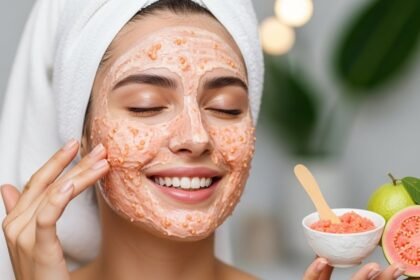
There is a scientific truth behind the old adage of getting your “beauty sleep.” While you rest, your body enters a state of repair and regeneration, and your largest organ—your skin—is no exception. Unlike the daytime, when your skin is in defense mode fighting off UV rays and pollution, the night is reserved for reconstruction. Establishing a simple evening skincare routine for all skin types is not just about pampering yourself; it is a critical step in maintaining long-term dermatological health.
In this comprehensive guide, we will dismantle the complex world of nighttime skincare, focusing on evidence-based steps to cleanse, treat, and hydrate your skin before you hit the pillow.
The Science of Nighttime Skin Repair
Before diving into the products, it is essential to understand why the evening is the prime time for skincare. Your skin operates on a circadian rhythm, much like your sleep-wake cycle. According to research published by the National Institutes of Health (NIH), skin cell regeneration almost doubles at night.
During sleep, cortisol levels drop, and growth hormones rise, accelerating cell mitosis (division). However, the skin also becomes more permeable at night, leading to higher Trans-Epidermal Water Loss (TEWL). This makes your evening routine a delicate balance: you need to support cellular turnover while aggressively preventing moisture loss.
Step 1: The Art of Double Cleansing
Regardless of your skin type, the first step is non-negotiable: removing the day’s accumulation of sunscreen, makeup, sebum, and environmental pollutants. Many dermatologists advocate for the “double cleanse” method.
- Oil-Based Cleanser: Oil dissolves oil. An oil cleanser or balm breaks down stubborn SPF and waterproof makeup that water-based cleansers often miss.
- Water-Based Cleanser: This follows up to sweep away sweat, dirt, and any remaining residue from the oil cleanser.
The Cleveland Clinic notes that proper cleansing prevents pore blockage and allows subsequent active ingredients to penetrate deeper. For sensitive skin, ensure your water-based cleanser is sulfate-free to maintain the skin barrier.
Step 2: Toning (The Balancing Act)
Gone are the days of alcohol-heavy astringents that strip the skin. Modern toners are designed to rebalance the skin’s pH and provide an initial layer of hydration.
- Hydrating Toners: Packed with glycerin or rose water, suitable for dry types.
- Exfoliating Toners: Containing mild AHAs or BHAs, suitable for oily or congestion-prone skin.
If you are using strong serums later in your routine, you may opt for a gentle, soothing toner to prepare the canvas without causing irritation.
Step 3: Targeted Treatments and Serums
This is the “powerhouse” stage of your simple evening skincare routine for all skin types. This step addresses specific concerns such as acne, hyperpigmentation, or fine lines.
Retinoids and Retinol
Regarded as the gold standard in anti-aging, retinoids (Vitamin A derivatives) accelerate cell turnover and boost collagen production. The American Academy of Dermatology (AAD) suggests applying retinoids at night because sunlight can degrade the ingredient and render it less effective.
Chemical Exfoliants (AHAs/BHAs)
If you aren’t using retinol, you might use chemical exfoliants like Glycolic Acid (AHA) for surface radiance or Salicylic Acid (BHA) to unclog pores.
Note: Never mix retinoids with strong exfoliating acids in the same evening unless directed by a professional, as this can damage the moisture barrier.
Step 4: The Critical Moisture Seal
Because skin permeability increases at night, sealing in moisture is vital. Your night cream should generally be heavier than your day cream. Look for three types of moisturizing ingredients:
- Humectants: Draw water into the skin (e.g., Hyaluronic Acid). Harvard Health highlights hyaluronic acid as a key molecule for maintaining skin hydration.
- Emollients: Smooth the skin surface (e.g., Squalane, Shea Butter).
- Occlusives: Physically block water loss (e.g., Petrolatum, Beeswax).

Customizing the Routine by Skin Type
While the structure remains the same, the ingredients must shift to suit your biology. Here is how to adapt the routine.
Oily and Acne-Prone Skin
For oily skin, the goal is balance, not stripping. Over-drying oily skin signals the sebaceous glands to produce more oil.
- Focus: Use a foaming cleanser and a lightweight, gel-based moisturizer.
- Key Ingredient: Salicylic Acid or Niacinamide. The Mayo Clinic recognizes salicylic acid as effective for washing out clogged hair follicles.
Dry and Mature Skin
Dry skin lacks oil, while dehydrated skin lacks water. Mature skin often experiences both.
- Focus: Use a cream cleanser and a rich, lipid-heavy moisturizer.
- Key Ingredient: Ceramides and Peptides. Ceramides are lipids that help form the skin’s barrier and help skin retain moisture, as detailed by WebMD.
Sensitive Skin
Less is more. Avoid fragrances and harsh actives.
- Focus: Gentle, non-foaming cleansing and barrier repair.
- Key Ingredient: Colloidal Oatmeal or Centella Asiatica. Always perform a patch test when trying new products, a safety measure recommended by the FDA.
Ingredient Cheat Sheet for Evening Routines
To help you visualize the best choices for your specific needs, refer to the table below. This matrix helps ensure you choose the right active ingredients without causing irritation.
| Skin Type | Cleanser Type | Hero Night Ingredient | Texture Preference | Ingredients to Limit/Avoid |
|---|---|---|---|---|
| Oily / Acne-Prone | Foaming or Gel | Salicylic Acid / Niacinamide | Gel Cream | Heavy oils (Coconut), Cocoa Butter |
| Dry / Dehydrated | Cream or Balm | Hyaluronic Acid / Ceramides | Rich Cream | High-strength Alcohol, Clay masks |
| Sensitive | Micellar or Milk | PHA (Gentle Acid) / Aloe | Lightweight Lotion | Fragrance, Essential Oils, Sulfates |
| Mature / Aging | Oil or Balm | Retinol / Peptides | Heavy Cream / Oil | Harsh physical scrubs |
| Combination | Gel | Lactic Acid | Lotion | Alcohols that strip natural oils |
Lifestyle Factors: It’s Not Just About the Cream
Even the most expensive serum cannot undo the damage of poor lifestyle choices. Your simple evening skincare routine for all skin types must extend beyond the bathroom sink.
Sleep Hygiene
Poor sleep quality is directly linked to increased signs of intrinsic aging. The Sleep Foundation emphasizes that sleep deprivation can lead to paler skin, more wrinkles, and drooping corners of the mouth. Aim for 7-9 hours of quality rest.
Hydration
Water intake is crucial for overall health, including skin physiology. While drinking water doesn’t instantly cure dry skin, chronic dehydration leaves skin looking dull and emphasizes fine lines. The CDC provides guidelines on daily water intake to maintain systemic hydration.
Silk Pillowcases
Friction from cotton pillowcases can contribute to “sleep lines” and hair breakage. Silk or satin pillowcases reduce friction, keeping your skincare on your face rather than absorbing it into your bedding.
Safety Warning: Sun Sensitivity
It is imperative to note that many effective evening ingredients, particularly retinoids and exfoliating acids, increase your skin’s sensitivity to the sun. This makes your morning routine just as important as your evening one. You must apply a broad-spectrum sunscreen every single morning. The Skin Cancer Foundation states that regular daily use of SPF 15 or higher sunscreen reduces the risk of developing squamous cell carcinoma by about 40%.
Conclusion: Consistency is Key
Building a simple evening skincare routine for all skin types does not require a ten-step ritual or luxury price tags. It requires understanding your skin’s basic needs: to be clean, to be treated for specific concerns, and to be hydrated.
Start with the basics—cleanse, treat, moisturize—and listen to your skin. If you experience irritation, scale back. If your skin feels tight, add more moisture. The path to glowing skin is a marathon, not a sprint. By dedicating ten minutes every evening to this ritual, you are investing in the long-term health and resilience of your skin.
Ready to transform your skin? Start tonight. Assess your current products, check the ingredient labels, and commit to the process. Your future self will thank you for the glow.