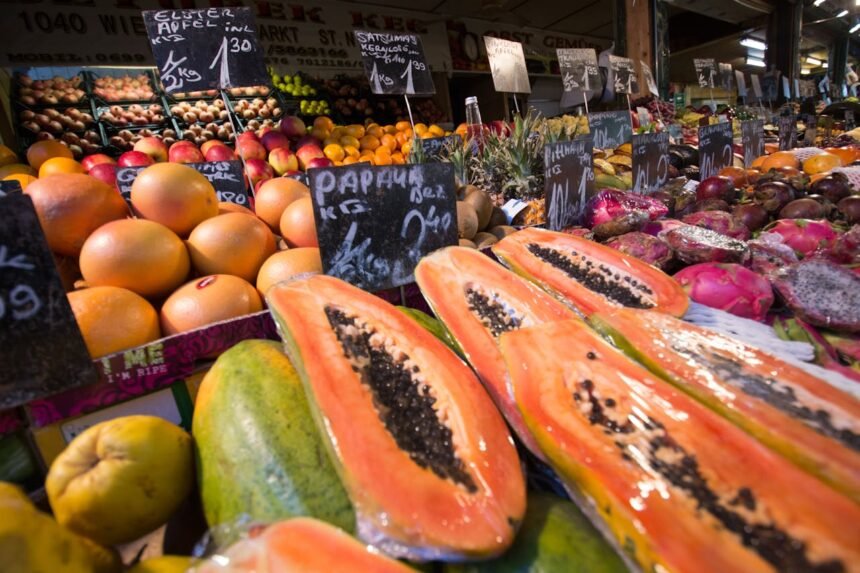
Finding new and exciting ways to incorporate fruit into your daily routine can sometimes feel like a challenge, especially when you are trying to move beyond the standard apples and bananas found in every UK supermarket. If you have been searching for a tropical addition to your diet that offers both vibrant flavour and impressive nutritional credentials, the papaya is an excellent candidate.
Often described as a nutritional powerhouse, this soft, fleshy fruit—technically a large berry—is much more than just a breakfast side dish. Whether you are looking to support your digestion, boost your immune system, or simply add a splash of colour to your plate, papaya is remarkably versatile. Many people hesitate to buy them because they are unsure how to prepare them or believe they are difficult to eat. However, once you learn the basics, you will realise how simple they are to enjoy.
From savoury salsas to refreshing smoothies, there are countless methods to ensure you never get bored of this tropical gem. By exploring different culinary techniques, you can easily make this fruit a staple in your kitchen, helping you reach your 5 A Day target with ease and enjoyment.
What Is Papaya and Why Eat It?
Papaya (Carica papaya) is a tropical fruit known for its distinctively sweet, musky taste and butter-like consistency when fully ripe. While it originated in Central America, it is now grown in tropical climates globally and is widely available in the UK year-round.
Nutritionally, it is exceptional. It is rich in vitamins A, C, and E, which act as antioxidants. These compounds play a vital role in preventing cell damage and reducing inflammation throughout the body. Perhaps its most famous component is papain, a powerful enzyme that aids in breaking down proteins. This makes the fruit particularly effective for soothing digestion and reducing bloating.
Furthermore, papaya is high in water content and dietary fibre, which promotes satiety and regularity. Because it is naturally low in calories yet high in volume, it is a fantastic option for those looking to manage their energy intake without feeling deprived.
10 Delicious and Healthy Ways to Eat Papaya Daily
Here are ten creative, simple, and science-backed ways to introduce this fruit into your everyday diet.
1. Classic Fresh Cubes with Lime
The simplest way is often the best. Ripe papaya can sometimes have a slightly musky scent that some people find overpowering. The acidity of citrus cuts through this immediately, enhancing the natural sweetness.
How to do it:
- Slice the papaya in half lengthwise and scoop out the seeds.
- Peel the skin and chop the orange flesh into bite-sized cubes.
- Squeeze fresh lime juice generously over the top.
This method preserves the raw enzymes, specifically papain, ensuring you get the full proven health benefits associated with the fresh fruit.
2. Tropical Papaya Smoothie
Blending papaya creates a creamy texture without the need for dairy, although it pairs beautifully with Greek yoghurt as well. The enzymes in the fruit can turn a smoothie bitter if left to sit for too long, so it is best to drink this immediately.
Recipe tip: Combine one cup of chopped papaya, half a banana, a splash of coconut water, and a handful of ice. This combination provides electrolytes and potassium, perfect for post-workout recovery.
3. Green Papaya Salad (Som Tum Style)
In Southeast Asia, papaya is often eaten unripe (green). Green papaya is crunchy, neutral in flavour, and acts like a vegetable. It is the star ingredient in Som Tum, a spicy Thai salad.
Preparation:
- Use a julienne peeler to shred raw, green papaya.
- Toss with chillies, lime juice, fish sauce (or soy sauce for vegans), and crushed peanuts.
- Add cherry tomatoes and green beans for extra crunch.
This savoury dish is low in sugar and fats, making it an excellent light lunch that supports heart health via its vegetable content.
4. Papaya Salsa with Fish or Tacos
Replace the tomatoes in your standard salsa with diced papaya for a sweet and spicy condiment. The sweetness balances the heat of chillies perfectly, making it an ideal companion for oily fish like salmon or mackerel.
Mix together:
- Finely diced ripe papaya.
- Red onion and jalapeños.
- Fresh coriander and lime juice.
Serving this with lean proteins adds nutritional variety and ensures you are consuming a balanced meal that supports a healthy weight.
5. Stuffed Breakfast Papaya Boats
Instead of dicing the fruit, use its natural shape as a bowl. This is visually appealing and reduces washing up. It is a fantastic alternative to a standard bowl of cereal or porridge.
Instructions:
- Cut the fruit in half and remove the seeds.
- Fill the hollow centre with natural yoghurt or coconut yoghurt.
- Top with granola, chia seeds, and berries.
This breakfast provides a mix of protein, healthy fats, and carbohydrates to sustain your energy levels throughout the morning.
6. Grilled Papaya Wedges
While usually eaten raw, papaya is delicious when cooked. Grilling caramelises the natural sugars, creating a warm, smoky dessert or side dish. The heat alters the texture, making it almost custard-like.
Method:
- Cut into thick wedges, leaving the skin on to hold the shape.
- Brush lightly with olive oil.
- Grill on a medium heat for 2–3 minutes on each side until char marks appear.
Serve this alongside barbecued chicken or as a dessert with a dollop of crème fraîche.
7. Peppery Papaya Seed Dressing
Do not bin the seeds! Papaya seeds are edible and have a sharp, peppery flavour reminiscent of horseradish or mustard. They contain unique compounds that may aid in fighting bacterial infections.
To make the dressing:
- Rinse and dry a tablespoon of seeds.
- Crush them in a mortar and pestle or a blender.
- Mix with olive oil, apple cider vinegar, honey, and a pinch of salt.
Drizzle this over leafy greens. It is a great way to practise zero-waste cooking while obtaining beneficial digestive enzymes found in the seeds.
8. Papaya Sorbet
For a cooling treat that is free from refined sugars, turn your papaya into a sorbet. This is particularly refreshing during the warmer UK summer months.
Simple steps:
- Freeze cubes of very ripe papaya.
- Blend the frozen fruit with a small amount of water or orange juice until smooth.
- Serve immediately as a soft-serve style dessert.
This is a brilliant swap for ice cream if you are monitoring your glycaemic index intake, as it relies solely on fruit sugars.
9. Dried Papaya Strips
Dehydrated papaya is a chewy, sweet snack perfect for hiking or busy days. However, be cautious with store-bought versions, as they often contain added sugar and sulphur dioxide.
DIY approach:
- Slice the fruit thinly.
- Place in a dehydrator or an oven on the lowest setting for several hours.
Homemade dried fruit retains its vitamins and minerals, offering a concentrated source of energy.
10. Papaya Meat Tenderiser
This method is about preparation rather than a direct recipe. The enzyme papain breaks down tough meat fibres. Historically, people in tropical regions wrapped meats in papaya leaves or applied mashed fruit to steaks.
How to use:
- Mash a small amount of unripe papaya (or the skin).
- Rub it over beef or pork and let it sit for 20 minutes before cooking.
Always remember to wash fresh produce thoroughly before using the skins in cooking to remove any surface residues.
Nutritional Breakdown Comparison
To understand how papaya fits into your diet compared to other common fruits, review the data below. Note how it offers a high vitamin C content relative to its calorie count.
| Nutrient (per 100g) | Papaya (Raw) | Honeydew Melon | Mango | Benefits |
|---|---|---|---|---|
| Calories | 43 kcal | 36 kcal | 60 kcal | Low energy density helps weight management. |
| Vitamin C | 62 mg | 18 mg | 36 mg | Supports immune function and skin health. |
| Fibre | 1.7 g | 0.8 g | 1.6 g | Aids digestion and promotes gut regularity. |
| Sugar | 7.8 g | 8 g | 14 g | Lower sugar option than many tropical fruits. |
| Vitamin A | 47 mcg | 3 mcg | 54 mcg | Essential for vision and immune response. |
Frequently Asked Questions
Can you eat papaya seeds?
Yes, absolutely. The seeds are edible and safe to eat. They have a crunchy texture and a spicy, peppery flavour. Start with a small amount, as eating too many at once can be overwhelming for your digestion.
Is it safe to eat unripe papaya?
Unripe (green) papaya is safe to eat when cooked or prepared in salads like Som Tum. However, pregnant women are often advised to avoid unripe papaya because it contains high concentrations of latex, which may trigger uterine contractions. Always consult registered dietitians or your GP if you are unsure.
How do I know if a papaya is ripe?
A ripe papaya should have skin that is turning from green to yellow. It should yield slightly to gentle pressure, similar to a ripe avocado. If it is hard, leave it at room temperature for a few days to ripen.
The Bottom Line
Incorporating papaya into your daily routine is a delicious strategy for improving your overall health. Whether you prefer it sweet and ripe in a smoothie or savoury and green in a salad, this fruit offers a wealth of vitamins, antioxidants, and digestive enzymes.
By experimenting with these ten methods, you can enjoy the variety and flavour of the tropics right from your kitchen in the UK. Remember to choose fruit that yields slightly to the touch for the best sweetness and always wash the skin before preparation. Adding this versatile ingredient to your meals is a simple, effective step toward a balanced, nutrient-rich lifestyle.