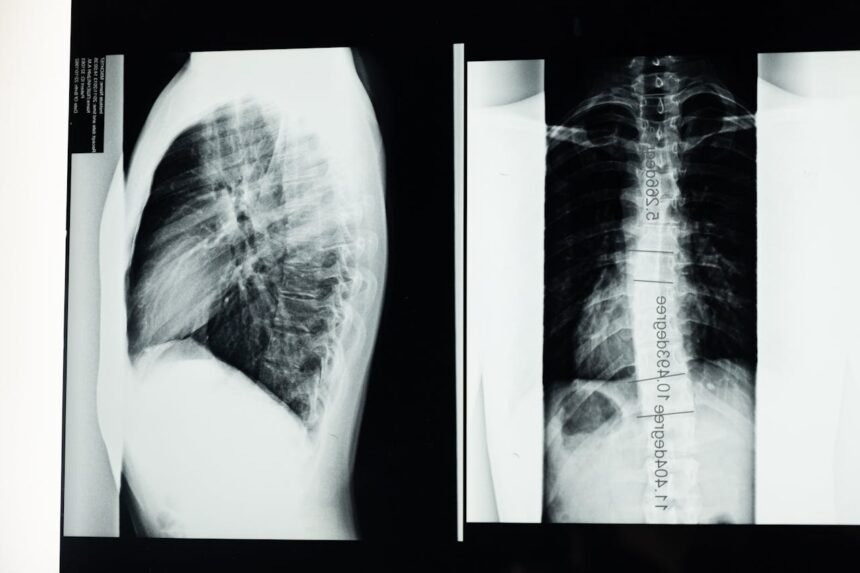
As healthcare professionals, you stand at the forefront of patient care, tasked with not only treating acute conditions but also with guiding individuals toward long-term health and well-being. Among the critical areas demanding proactive attention, bone health often emerges as a silent crisis, progressing subtly until a debilitating fracture occurs. The integrity of the skeletal system is fundamental to quality of life, mobility, and independence, particularly as populations age. Understanding and effectively communicating strategies for maintaining robust bone density is paramount.
This comprehensive guide is designed to equip you with the essential bone density tips and actionable insights required to empower your patients in their journey toward stronger bones. From early childhood development to the challenges of senior bone health, the principles outlined here will enhance your ability to implement effective osteoporosis prevention strategies and mitigate fracture risk factors.
Understanding the Foundation of Bone Health
Bone is a living, dynamic tissue constantly undergoing remodeling – a process of old bone removal (resorption) and new bone formation. Peak bone mass is typically achieved between the ages of 20 and 30, after which it gradually declines. Factors influencing this peak and subsequent decline are myriad, including genetics, nutrition, physical activity, hormonal balance, and lifestyle choices. Identifying individuals at risk and intervening early are key responsibilities for healthcare providers.
10 Essential Bone Density Tips for Healthcare Professionals
Here are ten crucial strategies and insights to integrate into your professional practice, fostering superior bone health outcomes for your patients:
1. Advocate for Optimal Calcium Intake
Calcium is the primary mineral component of bone, providing its strength and structure. Healthcare professionals must stress the importance of adequate calcium intake across all life stages, adjusting recommendations based on age, gender, and specific health conditions. For adults, the general recommendation ranges from 1000-1200 mg per day. Advise patients on rich dietary sources, including calcium rich foods like dairy products (milk, yogurt, cheese), fortified plant-based milks, leafy green vegetables (e.g., kale, broccoli), and certain fish (sardines with bones). For individuals with lactose intolerance or those following plant-based diets, emphasize options for dairy free calcium and vegan bone nutrients, often requiring supplementation to meet daily needs. The National Osteoporosis Foundation provides detailed calcium guidelines.
2. Emphasize the Critical Role of Vitamin D
Vitamin D is indispensable for bone health, facilitating the absorption of calcium in the gut and its incorporation into bone. Without sufficient Vitamin D, even a high calcium intake may be ineffective. Encourage patients to maintain optimal Vitamin D levels, typically through sensible sun exposure, fortified foods, and supplementation. The recommended daily intake for most adults is 600-800 IU, though some populations, particularly the elderly, may require more. Regular monitoring of Vitamin D levels is crucial, especially for those with limited sun exposure or malabsorption issues. The National Institutes of Health offers comprehensive information on Vitamin D’s role.
3. Promote Regular Weight-Bearing and Muscle-Strengthening Exercises
Physical activity, particularly weight bearing workouts and resistance training, is a cornerstone of strong bones. These types of exercises stimulate osteoblasts (bone-building cells), leading to increased bone density and improved bone strength. Advise patients to incorporate activities like walking, jogging, hiking, dancing, and lifting weights into their routine. For older adults, balance exercises are also vital to reduce the risk of falls and subsequent fractures. Tailor exercise recommendations to individual fitness levels and existing health conditions, perhaps recommending a consultation with a physical therapist for personalized bone strength exercises. Research from the Mayo Clinic highlights the benefits of exercise for bone health.
4. Address Lifestyle Factors and Modifiable Risks
Educate patients on lifestyle choices that can significantly impact bone health. Smoking cessation, limiting alcohol intake, and maintaining a healthy body weight are crucial for osteoporosis prevention. Smoking has been shown to decrease bone density, while excessive alcohol consumption can impair calcium absorption and bone formation. Additionally, extreme dieting or obesity can both negatively affect bone metabolism. Discussing these fracture risk factors proactively allows patients to make informed decisions for a healthy bone diet and lifestyle.
5. Recognize Hormonal Influences, Especially Menopause
Hormonal changes play a significant role in bone health, particularly in women. Estrogen has a protective effect on bones, and its decline during menopause bone loss can lead to accelerated bone density reduction. Healthcare professionals should initiate discussions about bone health with perimenopausal and postmenopausal bones patients, offering strategies such as hormone replacement therapy (HRT) where appropriate, alongside calcium and Vitamin D supplementation. For men, testosterone deficiency can also contribute to bone loss. Understanding these hormonal connections is key to effective prevention and management. The American College of Obstetricians and Gynecologists provides guidance on bone health after menopause.
6. Consider the Role of Other Micronutrients
While calcium and Vitamin D are primary, other nutrients also support bone health. Magnesium bone health is critical as magnesium is involved in over 300 biochemical reactions, including bone formation. Potassium, Vitamin K, and trace minerals like zinc and boron also contribute to bone metabolism. Encourage a diverse healthy bone diet rich in fruits, vegetables, and whole grains to ensure a comprehensive intake of these essential nutrients. Advise against fads and emphasize balanced nutrition.
7. Implement Early Screening and Interpretation of Bone Scan Results
For at-risk individuals, early screening using dual-energy X-ray absorptiometry (DXA) scans is paramount. Understand the criteria for recommending bone density tests, typically for women over 65, men over 70, and younger individuals with specific fracture risk factors or conditions. Interpreting bone scan results (T-scores and Z-scores) allows for timely diagnosis of osteopenia or osteoporosis and the initiation of appropriate treatment, whether lifestyle modifications or pharmacological interventions. The World Health Organization has standardized the diagnostic criteria for osteoporosis.
8. Address Special Populations: Kids, Athletes, and Chronic Conditions
Bone health is not just an adult concern. For kids bone growth, ensuring adequate nutrition and physical activity lays the foundation for peak bone mass. Young athletes, particularly those in high-impact sports, may face runner bone stress or other bone injuries requiring specific care and nutritional support to prevent long-term issues. Patients with chronic conditions such as arthritis bone care, celiac disease, inflammatory bowel disease, or those on certain medications (e.g., corticosteroids) are at higher risk for bone loss and require individualized management strategies. For athletes, the American Academy of Orthopaedic Surgeons offers insights on stress fractures.
9. Educate on Bone Healing and Recovery
For patients who have experienced fractures, their recovery is not merely about immobilization. Emphasize bone healing foods rich in protein, Vitamin C, zinc, and calcium to support tissue repair. Discuss the importance of adequate rest, progressive rehabilitation, and adherence to physical therapy protocols to ensure optimal healing and regain strength. Preventing subsequent fractures is a key part of recovery, requiring a reassessment of bone health status and ongoing preventive measures.
10. Stay Updated on Pharmacological Interventions
Beyond lifestyle modifications, several pharmacological agents are available to treat osteoporosis and prevent fractures. These include bisphosphonates, denosumab, teriparatide, and romosozumab, among others. Healthcare professionals must stay informed about the latest guidelines, indications, contraindications, and potential side effects of these medications to make evidence-based decisions for their patients. Continuous professional development ensures you can offer the most effective and safest treatment options. Reputable sources like MedlinePlus are excellent for current information on bone diseases and treatments.

Optimizing Patient Outcomes Through Comprehensive Care
Integrating these bone density tips into your practice will empower you to provide truly holistic care. By taking a comprehensive approach that considers nutrition, exercise, lifestyle, hormonal factors, and medical interventions, you can significantly impact your patients’ long-term bone health and overall quality of life. Educating patients about options like bone broth benefits for connective tissue health, though not a primary calcium source, can also be part of broader nutritional discussions. The table below summarizes key nutritional components for bone health.
Key Nutritional Components for Bone Health
| Nutrient | Recommended Daily Intake (Adults) | Primary Dietary Sources | Role in Bone Health |
|---|---|---|---|
| Calcium | 1000-1200 mg | Dairy, leafy greens, fortified foods, sardines | Bone structure, strength |
| Vitamin D | 600-800 IU (up to 2000-4000 IU for some) | Sunlight, fatty fish, fortified foods | Calcium absorption, bone mineralization |
| Magnesium | 310-420 mg | Nuts, seeds, whole grains, leafy greens | Bone formation, Vitamin D activation |
| Vitamin K | 90-120 mcg | Leafy greens, fermented foods | Bone protein synthesis |
| Protein | 0.8-1.0 g/kg body weight | Meat, fish, beans, lentils, dairy | Bone matrix, repair |
Frequently Asked Questions (FAQ)
Q1: What is the most critical factor for maintaining bone density?
A1: While no single factor acts in isolation, a combination of adequate calcium and Vitamin D intake, along with regular weight bearing workouts, forms the most critical foundation for maintaining bone density throughout life. Lifestyle factors like avoiding smoking and excessive alcohol also play a crucial role.
Q2: Can bone density be improved after diagnosis of osteoporosis?
A2: Yes, while complete restoration of lost bone mass can be challenging, significant improvements in bone density and reduction in fracture risk factors are possible. This involves a combination of targeted nutrition (calcium, Vitamin D), specialized bone strength exercises, and often, pharmacological treatments prescribed by a healthcare professional.
Q3: Are dairy free calcium sources sufficient for bone health?
A3: Absolutely. Many excellent dairy free calcium sources exist, including fortified plant milks (almond, soy, oat), leafy greens like kale and spinach, fortified orange juice, and calcium-set tofu. For individuals following a vegan diet, careful planning to ensure adequate vegan bone nutrients through diet and supplementation is vital.
Q4: How often should older adults be screened for bone density?
A4: The frequency of bone density screening (DXA scans) for senior bone health depends on individual fracture risk factors and previous bone scan results. Generally, women over 65 and men over 70 should have an initial screening. If results are normal, repeat screenings may be every 2-5 years, but for those with osteopenia or osteoporosis, more frequent monitoring (e.g., every 1-2 years) may be recommended by their physician.
Conclusion
As healthcare professionals, your role in promoting and preserving bone density is indispensable. By diligently applying these ten essential tips, from optimizing nutritional intake with calcium rich foods and vitamin d bones to encouraging bone strength exercises and understanding complex conditions like menopause bone loss, you equip your patients with the knowledge and tools for lifelong skeletal health. Proactive osteoporosis prevention and diligent management of fracture risk factors are not just medical interventions; they are investments in your patients’ independence, mobility, and overall quality of life. Continue to educate, advocate, and innovate in the pursuit of stronger bones for all.