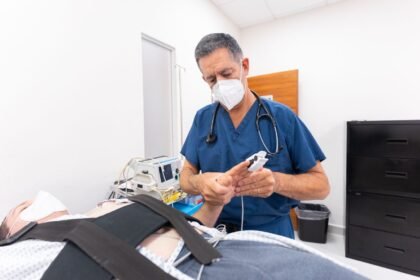


Description: A cardiovascular perfusionist runs the heart-lung machine that keeps a patient alive during open-heart surgery. This guide explains what is a cardiovascular perfusionist, what the job involves, and how to become a cardiovascular perfusionist in five clear stages.
You will learn how cardiovascular perfusionist programs work, what to expect from cardiovascular perfusionist school, and how certification fits in. We also cover cardiovascular perfusionist salary ranges, cardiovascular perfusionist jobs and daily life on the team. A short section explains the stages of cardiovascular-kidney-metabolic syndrome, because those patients often need heart surgery.
The guide uses plain language and public sources, and it is for education only. You will also find tips for comparing schools, questions to ask, common mistakes to avoid and a plain-language look at the patients you will serve. It does not replace advice from a career counselor, school or medical professional. Read on to see whether this demanding but rewarding career fits your goals.
What Is a Cardiovascular Perfusionist?
If you are asking what is a cardiovascular perfusionist, here is the short answer. It is a highly trained health professional who operates the heart-lung machine during cardiac surgery. While the surgeon repairs the heart, the perfusionist keeps blood moving and oxygen flowing through the rest of the body.
The heart-lung machine, also called the cardiopulmonary bypass machine, takes over the work of the heart and lungs for a short time. It draws blood out of the body, adds oxygen, removes carbon dioxide and returns the blood. The perfusionist watches every number and adjusts the machine second by second.
This is not a desk job, and it is not a job for someone who dislikes pressure. A cardiovascular perfusionist sits next to the operating table and works as part of a team with surgeons, anesthesiologists and nurses. The reward is that you play a direct part in saving lives.
What Does a Cardiovascular Perfusionist Do Every Day?
A typical day starts before the patient enters the room. The perfusionist sets up the machine, checks every tube and filter, and primes the circuit with fluid. Safety checks come first, because there is no room for error once surgery begins.
During the operation, the perfusionist controls blood flow, blood pressure, temperature and oxygen levels. They also give medicines and fluids as directed and track blood clotting. When the heart is ready to restart, they help the team bring the patient safely off the machine.
Many perfusionists do more than bypass surgery. They also run ECMO, a life-support system for patients with severe heart or lung failure. They may manage blood salvage during surgery, support heart assist devices and help in transplant cases.
Skills That Help You Succeed
Technical knowledge is only part of the picture. The best perfusionists stay calm when alarms sound and think clearly in a crisis. They also communicate in short, precise words, because the surgical team depends on quick, accurate updates.
Attention to detail matters a great deal. You will read gauges, lab values and flow rates for hours at a time. You also need steady hands, good hand-eye coordination and a strong sense of responsibility.
Teamwork is just as important. You will work with the same people on tough days, and trust builds slowly. A good attitude makes the long hours easier.
The 5 Stages to Become a Cardiovascular Perfusionist
The path is clear but demanding. Most people move through five stages, and each one changes what you do and what you need to prove. The details can differ by country and school, so always confirm requirements with your target program.
Here is the route in one view:
- Stage 1: Explore the field and build a science base.
- Stage 2: Earn a bachelor’s degree with the right prerequisites.
- Stage 3: Complete an accredited perfusion program.
- Stage 4: Pass the certification exams.
- Stage 5: Start your first job and keep growing.
The rest of this section explains what changes at each stage. Keep in mind that this is a general guide. Your own school and licensing body have the final word.
Stage 1: Explore the Field and Build a Science Base
Start by learning what the work is really like. Read about the job, watch professional videos and, if possible, ask a hospital to arrange a shadowing day. Seeing a real case helps you decide if the pressure and schedule suit you.
At this stage, focus on strong science grades. Biology, chemistry, physics, anatomy and math all matter. Good habits now make later stages easier.
What changes at this stage is mindset. You move from curiosity to a clear goal. You also begin building a record of grades, volunteer work and mentors that will help your applications.
Stage 2: Earn a Bachelor’s Degree
Most cardiovascular perfusionist programs expect a four-year degree before you apply. Common majors include biology, chemistry, nursing, respiratory therapy, biomedical science and other health fields. The exact major matters less than finishing the required science courses with solid grades.
Typical prerequisites include general biology, general chemistry, organic or biochemistry, physics, anatomy and physiology, and college math or statistics. Some schools also want microbiology or medical terminology. Check each program’s list early, because courses can take a full year to schedule.
What changes at this stage is competition. Seats in perfusion programs are limited, and many schools get more applicants than they can accept. Healthcare experience, strong grades and thoughtful references all help.
Stage 3: Complete a Perfusion Program
This is the heart of the journey. A cardiovascular perfusionist program teaches the science behind bypass, the equipment, patient safety and hands-on clinical practice. In the United States, graduate-level programs are usually about two years long, and many are master’s level.
When you search for a cardiovascular perfusionist school, look for accreditation first. Accredited programs have been reviewed against national standards, and graduating from one is typically required for certification. Ask each school about its clinical sites, its case numbers, its exam pass rates and its job placement results.
What changes at this stage is that your learning becomes hands-on. You move from lectures to simulation labs and then to real operating rooms under close supervision. The workload is heavy, so expect long days and a lot of studying.
Stage 4: Pass the Certification Exams
After training, you sit for professional exams. In the United States, certification is handled by the American Board of Cardiovascular Perfusion, and successful candidates earn the title of Certified Clinical Perfusionist. The process usually includes a basic science exam and a clinical applications exam, plus proof of clinical cases.
Certification matters because most employers expect it. It shows you have met a national standard of knowledge and practice. Some states or countries add their own licensing rules, so check where you plan to work.
What changes at this stage is your professional identity. You go from student to credentialed clinician. You also take on the duty of keeping your certification current through ongoing education.
Stage 5: Start Your First Job and Keep Growing
Your first role will likely be at a hospital with a cardiac surgery program. New graduates often work alongside experienced colleagues while they build speed and confidence. Expect call shifts and unpredictable hours, especially at the start.
Over time, you can grow in several directions. You may take on ECMO leadership, teaching, research, management or work with device companies. Some perfusionists also choose travel or contract roles for flexibility.
What changes at this stage is independence. You become responsible for your own cases and decisions. Lifelong learning becomes part of the job, because techniques and technology keep improving.
Cardiovascular Perfusionist Programs and School: What to Look For
Choosing among cardiovascular perfusionist programs is a big decision. Costs, location and length of training all matter, and so does the quality of the clinical experience. Take your time and compare more than one option.
Start with accreditation, then look at outcomes. Good programs share how many students graduate, how many pass the certification exams and how many find jobs. If a school will not share these numbers, treat that as a warning sign.
Also ask about the clinical sites. A strong cardiovascular perfusionist school places you in busy cardiac centers where you will see a wide variety of cases. Variety means you leave ready for real work, not just for the exam.
Questions to Ask Every Program
A short list of questions can reveal a lot. Use these when you call or visit:
- Is the program accredited, and by whom?
- How many students start, and how many finish?
- What are the certification exam pass rates?
- How many clinical cases will I complete, and at which hospitals?
- What do graduates earn, and how fast do they find jobs?
- What is the total cost, including fees, travel and living costs?
Write down the answers and compare them side by side. Numbers are easier to judge than brochures. If you can, talk to current students or recent graduates for an honest view.
Costs, Time and Lifestyle
A perfusion degree is a real investment of time and money. You will pay tuition and may have limited time to work while you study. Look into scholarships, loans and hospital-sponsored support.
Think about lifestyle too. Clinical rotations can be far from home, and call schedules continue after graduation. Talk with family before you commit, because the training years affect everyone around you.
Application Tips
Strong applications tell a clear story. Show why you want this specific career, and prove it with shadowing, healthcare experience or related work. Keep your personal statement honest, short and specific.
Prepare for interviews by practicing calm, clear answers. Programs want to see how you handle pressure and teamwork. A thoughtful question about the program shows real interest.
How to Become a Cardiovascular Perfusionist: A Simple Timeline
If you are wondering how to become a cardiovascular perfusionist and how long it takes, plan on roughly six to seven years after high school. That usually means about four years for a bachelor’s degree and about two years for a perfusion program. Add time if you need extra prerequisite courses or work experience first.
Some people take a faster route because they already hold a health degree. Nurses, respiratory therapists and other clinicians may skip some courses. Others change careers later in life and need extra science classes first.
Whatever your starting point, break the goal into small steps. Finish prerequisites, gain exposure, apply to programs, complete training, pass the exams and then apply for jobs. Checking off each step keeps a long journey manageable.
Common Mistakes to Avoid
A few errors slow down many applicants. Knowing them in advance saves time and stress:
- Waiting too long to shadow. Seeing a case early helps you decide with real information.
- Missing a prerequisite. One missing course can delay an application by a year.
- Ignoring accreditation. A non-accredited program may not lead to certification.
- Applying to only one school. Limited seats mean you should apply broadly.
- Underestimating the lifestyle. Call shifts and long cases are part of the job.
Avoiding these mistakes does not guarantee a seat. It does raise your chances and lower your regret.
Cardiovascular Perfusionist Salary: What Can You Earn?
Pay is a common question, and the honest answer is that it varies. A cardiovascular perfusionist salary depends on your region, your employer, your experience and how much call work you take. Many sources describe pay as strong compared with other health roles that require similar training, but numbers change often.
As a rough guide, many reports place a full-time cardiovascular perfusionist salary somewhere above one hundred thousand dollars per year in the United States, with experienced perfusionists in high-demand areas earning more. Treat this as a general range, not a promise. Official labor statistics, professional society surveys and job postings give the most current figures.
When you compare offers, look beyond the base pay. Ask about call pay, overtime, sign-on bonuses, retirement benefits, paid time off and help with student loans. A lower base with generous extras can beat a higher base with few benefits.
What Affects Cardiovascular Perfusionist Salary?
Several factors push pay up or down. Understanding them helps you plan your career:
- Location: Large cities and areas with fewer perfusionists often pay more, though living costs also rise.
- Experience: Pay usually grows as you build speed, skill and trust.
- Case mix: Centers that handle complex cases, such as pediatric or transplant surgery, may pay more.
- Call and overtime: Extra shifts can add a lot to yearly earnings.
- Role: Chief perfusionists, educators and managers often earn more than staff.
Keep in mind that high pay comes with real demands. Nights, weekends and emergencies are part of the deal. Think about whether that lifestyle fits you.
Should Salary Drive Your Choice?
Money matters, but it should not be the only reason. People who last in this career usually care about the work itself. Being part of a team that saves lives gives a sense of purpose that a paycheck alone cannot.
Be realistic about costs too. Graduate training can be expensive, and you will likely borrow. Compare your expected income with your debt before you decide.
Cardiovascular Perfusionist Jobs: Where You Can Work
Opportunities for cardiovascular perfusionist jobs exist wherever heart surgery is done. Most roles are in hospitals, including large academic centers, community hospitals and children’s hospitals. Many centers say that hiring qualified perfusionists can be a challenge, which can help new graduates, though conditions vary by region.
Beyond the operating room, there are other paths. Some perfusionists join ECMO teams, lead hospital programs, teach in perfusion schools or work in research. Others join companies that make heart-lung machines and related devices.
Contract and travel work is another option. Traveling perfusionists fill short-term gaps at hospitals and often enjoy flexible schedules and higher pay. This lifestyle suits people who like change, but it can be tiring and unpredictable.
Where to Find Cardiovascular Perfusionist Jobs
Several routes work well. Start with your own program, because schools often hear about openings first. Professional societies, hospital career pages and specialty job boards also list roles.
Your clinical rotations are a hidden advantage. Hospitals that host you get to see your work firsthand, and many hire their own trainees. Treat every rotation like a long job interview.
Career Growth After the First Job
You do not have to stay in one role forever. After a few years, you may move into lead perfusionist, chief perfusionist or program director roles. Teaching and research open further doors.
Staying current is the key to growth. Attend conferences, join professional groups and keep learning about new equipment. Employers notice people who invest in their skills.
A Day in the Life: Challenges and Rewards
The job is intense, and it helps to know the hard parts before you start. Cases can run for hours with little rest. Emergencies can arrive at any time, and you may be called in at night.
Stress is real, too. You carry a lot of responsibility, and the stakes are high. Good support from colleagues, sleep, exercise and open conversation all help you cope.
The rewards are just as real. You use science and skill to help patients survive operations that were once impossible. Many perfusionists say they love the mix of technology, teamwork and purpose.
Why Patients Needing Heart Surgery Matter: CKM Syndrome Stages
Understanding the patients you serve makes you a better clinician. Many people who need heart surgery also have kidney and metabolic problems. Doctors now group these linked problems under a name: cardiovascular-kidney-metabolic syndrome, or CKM syndrome.
The American College of Cardiology has published recent coverage of this framework, and you can read more in its CKM syndrome article. The American Heart Association also keeps a dedicated CKM health hub for its journals. These sources are useful for any clinician who cares for heart patients, including perfusionists.
CKM syndrome is described in five stages, from zero to four. Each stage reflects a different level of risk and disease. Here is a plain-language summary of the stage definitions and what changes at each one.
CKM Stage 0: No Risk Factors
At stage 0, a person has no CKM risk factors. Weight, blood pressure, blood sugar and kidney function are in healthy ranges. The goal is to keep it that way through good habits and regular check-ups.
What changes at this stage is nothing yet. The focus is prevention. Healthy eating, activity and sleep protect the heart, kidneys and metabolism together.
CKM Stage 1: Excess or Dysfunctional Body Fat
Stage 1 begins when a person carries excess or dysfunctional body fat, but does not yet have clear metabolic problems or kidney disease. Blood pressure and blood sugar may still be normal. This is the early warning stage.
What changes here is that risk starts to build. Doctors may suggest lifestyle changes and closer monitoring. Acting early can prevent progress to later stages.
CKM Stage 2: Metabolic Risk Factors or Kidney Disease
In stage 2, a person has metabolic risk factors such as high blood pressure, high triglycerides, diabetes or metabolic syndrome, or has moderate-to-high-risk chronic kidney disease. The body systems now clearly affect each other. Risk of future heart disease rises.
What changes is that treatment becomes more active. Doctors may recommend medicines, tighter control of blood pressure and sugar, and regular kidney testing. Care often involves several specialists.
CKM Stage 3: Subclinical Cardiovascular Disease
Stage 3 means a person has early or hidden heart and blood vessel disease, called subclinical disease, or is at very high predicted risk. The person may feel fine, but tests show damage or very high risk. Kidney disease may also be advanced.
What changes is urgency. Doctors look for hidden disease and treat risk factors more strongly. Many patients at this stage are close to needing procedures.
CKM Stage 4: Clinical Cardiovascular Disease
At stage 4, a person has established cardiovascular disease, such as coronary artery disease, heart failure, stroke or peripheral artery disease, within the CKM setting. It is often divided into those without kidney failure and those with kidney failure. These patients are the most likely to need heart surgery.
What changes at this stage is that care moves into hospitals and operating rooms. For a perfusionist, these are the patients who may come to the table with complex needs, such as reduced kidney function or diabetes. Understanding this background helps you anticipate risks during bypass.
Why This Matters in the Operating Room
Kidney function matters on the heart-lung machine because bypass can stress the kidneys. Blood sugar, fluid balance and medicines also need careful handling. A perfusionist who understands CKM stages can talk with the surgical team about these risks.
Research on this topic keeps growing. For example, a report in Pharmacy Times links CKM stage with chronic kidney disease odds and notes hurdles in primary care. Tools such as Google Trends also show how interest in these stages is rising, which hints at growing awareness among both patients and clinicians.
Technology a Cardiovascular Perfusionist Uses
The tools of the trade go far beyond a single machine. A cardiovascular perfusionist works with pumps, oxygenators, heat exchangers, monitors and safety alarms. Each piece must be checked, matched to the patient and watched closely.
Cell salvage is one example. The perfusionist collects blood lost during surgery, cleans it and returns it to the patient, which can reduce the need for donor blood. Another example is ECMO, which can support a patient for days or weeks outside the operating room.
New technology arrives often. Smaller circuits, better sensors and smarter monitors are changing how cases run. That is why a good cardiovascular perfusionist school teaches you how to learn, not just how to push buttons.
Choosing Your Entry Route: Nurse, Therapist or Science Graduate
People reach this career from several directions, and each route has strengths. A nurse brings bedside skills and comfort with critically ill patients. A respiratory therapist already understands ventilators, blood gases and oxygen delivery.
A science graduate may have deeper lab and math training. Each group may still need to fill gaps, such as physiology, pharmacology or physics. Compare your own background with the list of courses a cardiovascular perfusionist program requires, and plan your extra classes early.
No route is better than the others. What matters is that you meet the prerequisites, show real interest in the work and prepare well for the interview. Programs often value a mix of backgrounds in a class.
The Future of the Profession
Demand for cardiac care continues because heart disease remains common. Aging populations, rising diabetes and obesity all feed this need. As more people live longer with heart and kidney problems, skilled perfusionists stay important.
Technology is also pushing the field forward. Wider use of ECMO, newer heart assist devices and advanced transplant programs all create work for trained staff. As a result, cardiovascular perfusionist jobs may continue to appear in many regions, though local markets can change quickly.
Pay may follow these trends, but nobody can predict it with certainty. Check current data before you plan your budget around any cardiovascular perfusionist salary figure. Flexibility and ongoing learning are the best protection for your career.
Certification and Continuing Education
Certification is not a one-time event. Perfusionists must keep learning to stay current. Most certifying bodies require continuing education and periodic renewal.
Plan to attend conferences, take online courses and join professional groups. Many hospitals support this with time off and funding. Treat it as a long-term habit, not a chore.
Keep records of your cases and your learning. Good records make renewals smoother and show employers your commitment. Staying certified protects your career and your patients.
Quick Facts Before You Decide
A short checklist can help you see the whole picture. Use it to test your plan against reality before you spend time and money.
- Training time: about six to seven years after high school, including a bachelor’s degree.
- Education: an accredited perfusion program, often at master’s level.
- Credential: national certification, which most employers expect.
- Lifestyle: call shifts, long cases and high responsibility.
- Rewards: strong pay for the training level and a direct role in saving lives.
Every cardiovascular perfusionist will tell you the work is demanding. The ones who stay are those who prepare well and love the team. If that sounds like you, the next step is a conversation with a working perfusionist.
Is a Cardiovascular Perfusionist Career Right for You?
Ask yourself a few honest questions. Do you stay calm under pressure? Do you enjoy science and technology? Are you comfortable with irregular hours and heavy responsibility?
If your answers are mostly yes, this career may fit you well. If you are unsure, shadow a perfusionist and talk with several professionals. Real conversations often reveal more than websites.
Remember that no career is perfect. The best choice is one you understand fully. Gather information, talk to mentors and trust your own judgment.
Cardiovascular Perfusionist FAQs
What is a cardiovascular perfusionist?
It is a health professional who runs the heart-lung machine during cardiac surgery. They manage blood flow, oxygen and temperature while the heart is stopped. They also run ECMO and other life support systems.
How long does it take to become a cardiovascular perfusionist?
Plan on roughly six to seven years after high school, including a bachelor’s degree and a perfusion program. Extra prerequisites can add time. Check the exact steps with your target program.
Do I need a master’s degree?
Many programs award a master’s degree, and graduating from an accredited program is typically needed for certification. Rules vary by country and school. Confirm the current requirements before you apply.
Is the job stressful?
Yes, it can be. Cases are high-stakes, and call shifts are common. Many perfusionists also find the work deeply rewarding.
What is the typical cardiovascular perfusionist salary?
Pay varies by location, experience and call work. Many reports place it above one hundred thousand dollars a year in the United States. Check official statistics and current job postings for up-to-date numbers.
Can nurses or respiratory therapists become perfusionists?
Yes. Many people enter perfusion from other health backgrounds. You still need to meet the program’s prerequisites and requirements.
Why You Can Trust This Guide
This article follows the E-E-A-T approach to health content, which looks at experience, expertise, authoritativeness and trust. Because career and health topics can affect your money and your wellbeing, we aim for a high bar. We use public sources, avoid hype and flag where details can differ.
Our references include cardiology organizations and medical publications, such as the American College of Cardiology and the American Heart Association journals. Where numbers, such as pay or program length, vary, we say so instead of guessing. Please check each school, certifying body and employer for the latest rules.
Career requirements and medical guidance change over time. Confirm important details with official sources and professionals before you make decisions. If you find an error, let us know so we can correct it.
Final Thoughts on Becoming a Cardiovascular Perfusionist
A cardiovascular perfusionist holds one of the most vital and least visible roles in the operating room. The path takes years of study, strict training and ongoing learning. In return, it offers purpose, strong earning potential and a place on a team that saves lives.
If you are serious, start with the first stage today. Learn the field, finish your science courses and talk to people who do the work. Compare cardiovascular perfusionist programs carefully, and choose one with strong outcomes and clinical experience.
Whether you are a student, a nurse or someone changing careers, this guide gives you a map. Take it step by step, ask hard questions and stay curious. The cardiovascular perfusionist career rewards people who prepare well.
Disclaimer
This article is for general education and is not medical, legal or career advice. It does not replace guidance from schools, certifying bodies, employers or healthcare professionals. Salaries, rules and program details change, so always confirm current information with official sources.
If you think you have a medical emergency, call your local emergency number right away.