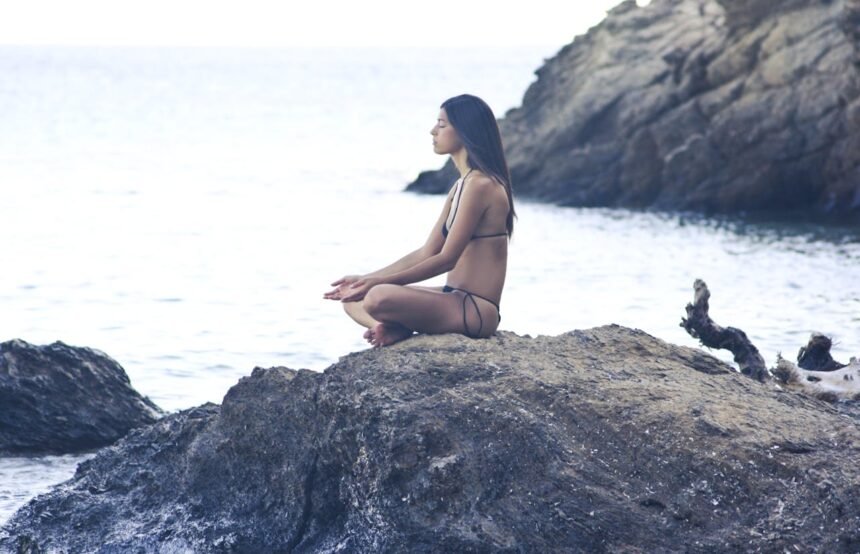
There is a profound tranquility found where the ocean meets the earth. The rhythmic sound of crashing waves, the warmth of the sun, and the shifting texture of the sand create an environment uniquely suited for mindfulness and physical restoration. For those seeking to combine the therapeutic benefits of nature with low-impact exercise, practicing yoga on the beach offers a refreshing departure from the confines of a studio. However, the sandy terrain presents specific challenges and opportunities, particularly for those new to the practice or older adults seeking joint-friendly movement.
In this comprehensive guide, we will explore the best beach yoga poses for beginners and seniors, tailored to enhance stability, flexibility, and mental clarity. We will delve into the science of practicing on an unstable surface, safety protocols for outdoor wellness, and a curated sequence designed to rejuvenate the body and spirit.
The Unique Synergy of Sea and Sand
Moving your practice from a hardwood floor to the shoreline changes the biomechanics of yoga. The beach is not merely a scenic backdrop; it is an active participant in your exercise routine.
The Science of Sand: Proprioception and Strengthening
Unlike a rigid studio floor, sand shifts beneath your feet. This instability engages the secondary stabilizer muscles in your ankles, knees, and hips—muscle groups that often lie dormant during walking or gym exercises. This phenomenon triggers proprioception, the body’s ability to sense its location, movements, and actions. According to Harvard Health, training proprioception is vital for preventing falls, making beach yoga particularly beneficial for seniors looking to improve balance.
The “Blue Mind” Effect
The psychological benefits of the ocean are well-documented. Marine biologist Wallace J. Nichols coined the term “Blue Mind” to describe the meditative state the brain enters when we are near water. This reduces cortisol levels and elevates serotonin, enhancing the stress-relieving properties inherent in yoga.
Essential Preparation for Beach Yoga
Before attempting the best beach yoga poses for beginners, proper preparation is essential to ensure safety and comfort.
1. Sun Protection and Hydration
Even on cloudy days, UV rays reflect off the sand and water. The Skin Cancer Foundation recommends applying a broad-spectrum sunscreen 30 minutes before exposure. Additionally, sea breezes can mask dehydration; always carry water.
2. Ditch the Mat
Yoga mats often bunch up on the sand. A large, thick beach towel provides better traction and allows you to feel the contours of the ground, which is essential for grounding poses.
3. Choosing the Right Spot
Find a flat area of hard-packed sand near the water’s edge (but safe from the rising tide). Soft, dry sand increases resistance, which makes the workout harder and increases the risk of twisting an ankle.
7 Rejuvenating Beach Yoga Poses for Beginners and Seniors
The following sequence focuses on grounding, gentle stretching, and balance. These are selected as the best beach yoga poses for beginners because they are accessible, low-impact, and easily modified.
1. Mountain Pose (Tadasana)
The Foundation of Stability
How to do it: Stand with feet hip-width apart. Lift your toes and spread them wide, gripping the sand as you lower them. Engage your quadriceps, draw your belly button toward your spine, and roll your shoulders back. Palms face forward.
Why it works on the beach: This pose teaches you to root down. On sand, you will feel the micro-movements in your feet as they adjust to the surface. This is excellent for strengthening the arches of the feet.
Modification for Seniors: If balance is an issue, stand with feet wider than hip-width or place a sturdy folding chair nearby for support.
2. Tree Pose (Vrksasana)
Cultivating Balance
How to do it: Shift your weight to your left foot. Place your right heel on your left inner ankle (using the sand for support) or lift the foot to the inner calf. Avoid placing the foot directly on the knee joint. Bring hands to the heart center in prayer position. Fix your gaze on the horizon—the flat line of the ocean helps stabilize the vestibular system.
Why it works on the beach: The uneven sand makes this balance pose significantly more challenging than in a studio, rapidly firing the stabilizer muscles in the standing leg.
3. Warrior II (Virabhadrasana II)
Building Strength
How to do it: Step feet wide apart (about 3-4 feet). Turn your right foot out 90 degrees and angle your left foot slightly in. Bend the right knee, stacking it directly over the ankle. Extend arms parallel to the sand, gazing over the right hand.
Why it works on the beach: Digging your feet into the sand provides a unique resistance that strengthens the legs and glutes without high impact. See guides from Yoga Journal for alignment tips.
4. Triangle Pose (Trikonasana)
Expanding the Chest
How to do it: From Warrior II, straighten the front leg. Reach your right hand forward as far as you can, then hinge at the hip to lower the right hand to your shin or the thigh. Extend the left arm toward the sky.
Why it works on the beach: The fresh ocean air encourages deep breathing. This pose opens the chest and lungs, maximizing oxygen intake while stretching the hamstrings.
5. Cat-Cow Stretch (Marjaryasana-Bitilasana)
Spinal Flexibility
How to do it: Come to a tabletop position on your towel (hands and knees). Inhale, drop the belly, and look up (Cow). Exhale, round the spine, tuck the chin, and push the sand away (Cat).
Why it works on the beach: The softer surface of the sand (cushioned by a towel) is often kinder to the knees than a hard studio floor. This movement lubricates the spine and relieves lower back tension.
6. Cobbler’s Pose (Baddha Konasana)
Opening the Hips
How to do it: Sit on the sand. Bring the soles of your feet together and let your knees fall open to the sides. Hold your feet or ankles. Sit up tall, lengthening the spine.
Why it works on the beach: You can pile up sand under your knees for support if your hips are tight. This is a restorative pose that helps relieve the stiffness often associated with arthritis. The Arthritis Foundation suggests gentle hip openers to maintain mobility.
7. Corpse Pose (Savasana)
Deep Relaxation
How to do it: Lie flat on your back. Let your arms rest by your sides, palms facing up. Close your eyes and let your breathing match the rhythm of the waves.
Why it works on the beach: This is the ultimate “Blue Mind” experience. The sensory input of the wind and waves facilitates a deeper state of relaxation than usually possible indoors. It is crucial for integrating the benefits of the practice.
Comparison: Studio Yoga vs. Beach Yoga
Understanding the environmental differences helps in managing expectations and preventing injury.
| Feature | Studio Yoga | Beach Yoga |
|---|---|---|
| Surface Stability | High (Rigid floor) | Low (Shifting sand) |
| Joint Impact | Medium (Requires mat) | Low (Sand absorbs shock) |
| Balance Difficulty | Standard | High (Requires more core engagement) |
| Sensory Input | Controlled (Music, lights) | Organic (Wind, sun, waves) |
| Muscle Activation | Primary muscle groups | Primary + Stabilizer muscles |
| Temperature | Climate controlled | Variable (Heat aids flexibility) |
Safety Considerations for Seniors
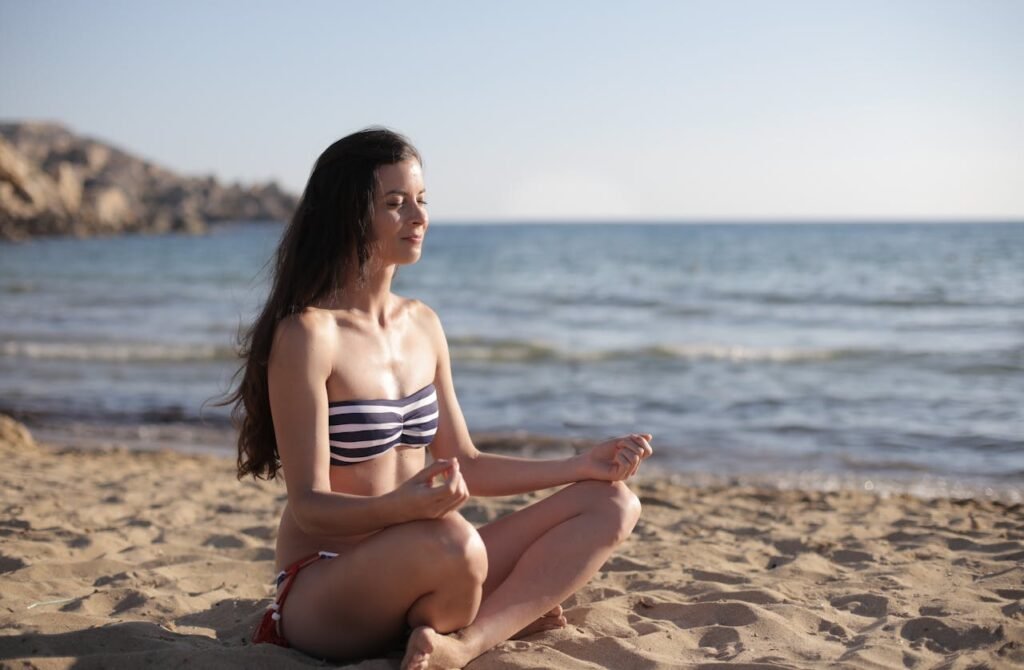
While the best beach yoga poses for beginners are generally safe, seniors must take extra precautions. The Mayo Clinic emphasizes that older adults should focus on balance and flexibility to maintain independence.
- Watch the Slope: Beaches often slope toward the water. Practice on the flattest section to avoid straining the hips or lower back.
- Overheating: Older adults are more susceptible to heat exhaustion. Practice before 10:00 AM or after 4:00 PM.
- Joint Protection: While sand is soft, it is uneven. If you have severe osteoporosis or balance issues, consider bringing a walking stick for the standing poses or sticking to seated variations.
For more information on senior fitness, resources from the National Institute on Aging provide excellent guidelines on intensity levels.
FAQ: Beach Yoga for Beginners
1. Is beach yoga harder than regular yoga?
Yes and no. The poses themselves are the same, but the uneven surface of the sand requires more effort from your core and stabilizer muscles to maintain balance. This makes the workout slightly more intense physically, but the environment is mentally more relaxing.
2. What should I wear for beach yoga?
Wear breathable, moisture-wicking clothing. Avoid loose, baggy clothes that might catch the wind or get heavy with sand and water. Swimwear is acceptable, but ensure it offers enough coverage for poses like Downward Dog or Triangle Pose. A hat and sunglasses are also recommended.
3. Can I do beach yoga if I have bad knees?
Generally, yes. The sand offers better shock absorption than hard floors. However, kneeling poses can still be sensitive. It is best to use a thick towel or fold the towel for extra padding under the knees. Avoid deep lunges if the sand is too soft, as your foot might slide.
4. What is the best time of day for beach yoga?
Sunrise and sunset are the ideal times. The UV index is lower, the temperature is cooler, and the beaches are typically less crowded, allowing for better concentration. Sunrise yoga, in particular, helps regulate your circadian rhythm.
5. Do I need shoes for beach yoga?
No, barefoot is best. Direct contact with the sand allows for “earthing” or grounding, and gives your toes the ability to grip the surface for balance. If the sand is too hot or contains sharp shells, look for a cleaner spot or wear thin-soled water shoes.
Conclusion
Practicing the best beach yoga poses for beginners is more than just a workout; it is a holistic engagement with nature that rejuvenates the mind and body. For seniors and beginners alike, the sand offers a forgiving surface that challenges stability while cushioning the joints. By integrating poses like Mountain, Tree, and Warrior II into your beach routine, you can improve proprioception, enhance vitamin D absorption, and find a moment of peace amidst the chaos of daily life.
Remember to listen to your body. The ocean does not rush, and neither should your practice. Whether you are looking to strengthen your core or simply breathe in the salt air during Savasana, the beach provides the perfect sanctuary for wellness. Roll out your towel, face the horizon, and let the waves guide your movement.