Imagine feeling perpetually exhausted, despite sleeping eight hours, or dealing with stubborn skin breakouts that no cream seems to fix. You might blame stress or genetics, but the true culprit could be microscopic residents living deep within your digestive tract.
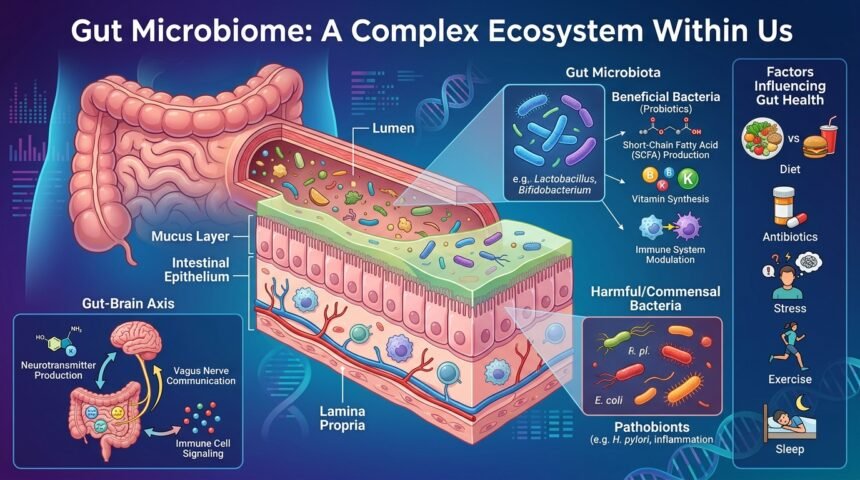
Your gut microbiome is a complex ecosystem of trillions of bacteria, fungi, and viruses that influence everything from your immunity to your mood. When this delicate balance shifts—a state known as dysbiosis—your body sends out distress signals that go far beyond a simple stomach ache.
Understanding the symptoms of gut microbiome imbalance is the first step toward reclaiming your vitality. In this guide, we explore the unexpected ways your gut health affects your daily life and how you can restore harmony to your internal world.
1. Persistent Brain Fog and Mood Swings
The connection between your gut and your brain is so strong that scientists often refer to the digestive system as your “second brain.” This communication pathway, known as the gut-brain axis, relies on chemical messengers produced by your microbes.
When you have signs of unhealthy gut bacteria, the production of neurotransmitters like serotonin and dopamine can be disrupted. Research suggests that a significant portion of the body’s serotonin is actually produced in the gut, not the brain.
If you find yourself struggling to focus or feeling uncharacteristically anxious, it may not be “all in your head.” Addressing your microbiome could be a key component in managing mental clarity and emotional stability according to Harvard Health Publishing.
2. Unexplained Skin Irritations
The gut health and skin issues connection is a rapidly growing field of dermatology. When the gut lining becomes compromised, it can allow certain proteins and toxins to leak into the bloodstream, triggering systemic inflammation.
This internal inflammation often manifests externally as redness, scaling, or itching. Conditions such as eczema, rosacea, and even adult acne have been linked to an overgrowth of “bad” bacteria in the small intestine.
By focusing on the best foods for gut lining repair, such as bone broth or collagen-rich sources, you may notice a significant improvement in your complexion. A healthy glow often starts with a healthy digestive tract, as noted by the British Skin Foundation.
3. Intense Sugar Cravings
Have you ever felt like your cravings for chocolate or bread were completely out of your control? It turns out that your microbes might be the ones “driving the bus” when it comes to your appetite.
Certain types of yeast and bacteria thrive on simple sugars and refined carbohydrates. When these populations grow too large, they can manipulate your cravings to ensure they get the fuel they need to survive.
This creates a vicious cycle where the more sugar you eat, the more you feed the “bad” bacteria, leading to further imbalance. Breaking this cycle requires a conscious effort to introduce more diverse fibre sources into your diet.
4. Frequent Illness and Slow Recovery
Approximately 70% to 80% of your immune system resides within your gut. Your microbiome acts as a training ground for immune cells, teaching them how to distinguish between friendly residents and dangerous pathogens.
When your gut flora is depleted, your immune response may become sluggish or hyper-reactive. This can result in you catching every cold that goes around the office or taking much longer than usual to recover from minor infections.
Supporting your microbiome with fermented foods can help bolster your natural defences. Studies from PubMed Central indicate that a diverse microbiome is essential for a robust and resilient immune system.
5. Changes in Sleep Quality
If you toss and turn at night, your gut might be to blame. The microbiome plays a crucial role in regulating your circadian rhythm and the production of melatonin, the hormone responsible for sleep.
An imbalanced gut can lead to fragmented sleep or difficulty falling asleep in the first place. Chronic lack of sleep then further damages the microbiome, creating a negative feedback loop that impacts your overall health.
Restoring your gut health could lead to deeper, more restorative rest. Many people realise that once they fix their digestion, their sleep patterns naturally begin to stabilise without the need for supplements.
6. Sudden Food Intolerances
Do you suddenly find yourself unable to tolerate dairy or gluten, even though you’ve eaten them your whole life? This is often a hallmark sign of a microbiome that has lost its diversity.
When you lack the specific bacteria needed to break down certain compounds, your body reacts with bloating, gas, or discomfort. This is different from a true allergy but can be just as disruptive to your daily routine.
Improving the health of your gut lining and diversifying your bacterial strains can sometimes help reintroduce these foods. Consult the NHS guide on food intolerances for more information on managing these symptoms.
7. Use of Antibiotics and Long-term Medications
While antibiotics are life-saving medications, they are often “scorched earth” for your internal ecosystem. They kill off harmful pathogens but also take out the beneficial bacteria that keep you healthy.
Learning how to restore gut flora after antibiotics is essential for preventing long-term dysbiosis. This usually involves a combination of high-quality probiotics and a diet rich in prebiotic fibres to feed the new colonies.
Other medications, such as proton pump inhibitors or NSAIDs, can also alter the acidity and environment of your stomach. Always discuss the long-term impact of medications with a healthcare professional at the Mayo Clinic.
Nutritional Strategies for Gut Repair
Restoring your gut health isn’t just about what you remove from your diet; it’s about what you add. Focus on “fertilisers” for your good bacteria and building blocks for your intestinal wall.
| Food Category | Examples | Benefit for Gut Health |
|---|---|---|
| Probiotics | Kefir, Sauerkraut, Kimchi | Introduces live beneficial bacteria. |
| Prebiotics | Garlic, Onions, Asparagus | Acts as fuel for existing good bacteria. |
| Polyphenols | Blueberries, Dark Chocolate | Reduces inflammation and promotes diversity. |
| Amino Acids | Bone Broth, L-Glutamine | Supports the repair of the gut lining. |
How to Restore Your Microbiome
To fix an imbalanced gut, you must adopt a multi-pronged approach. Start by increasing your intake of diverse plant foods; aim for 30 different types of plants per week to maximise microbial diversity.
Hydration is also vital, as water helps the mucosal lining of the intestines and supports the movement of waste. Additionally, managing stress through mindfulness or light exercise can prevent the “fight or flight” response from shutting down digestion.
If you suspect a severe imbalance, consider working with a registered dietitian. They can help you design a personalised programme to identify triggers and rebuild your flora safely, as suggested by The British Dietetic Association.
Frequently Asked Questions
How long does it take to fix an unhealthy gut?
While every individual is different, most people begin to notice improvements in their digestion and energy levels within 2 to 4 weeks of consistent dietary changes. However, completely shifting the microbiome profile can take several months of dedicated effort.
Can stress alone cause gut dysbiosis?
Yes, chronic stress can significantly alter the composition of your gut bacteria. Stress hormones like cortisol can increase intestinal permeability and decrease the production of protective mucus in the digestive tract, according to Cleveland Clinic.
Are probiotic supplements necessary?
While supplements can be helpful, especially after a course of antibiotics, they are not a substitute for a healthy diet. Getting your probiotics from whole food sources like live yoghurt or fermented vegetables often provides a wider variety of strains.
What is the “best” food for gut lining repair?
Foods rich in collagen and the amino acid L-glutamine are often considered the best foods for gut lining repair. These nutrients provide the raw materials your body needs to rebuild the tight junctions in your intestinal wall, as noted by Johns Hopkins Medicine.
Is bloating always a sign of a bad gut?
Occasional bloating is normal, but persistent, painful bloating after every meal is a classic symptom of gut microbiome imbalance. It often indicates that bacteria are fermenting food too early in the digestive process, a condition sometimes called SIBO.
Conclusion
Your gut microbiome is a powerful force that influences nearly every aspect of your physical and mental wellbeing. By paying attention to these seven surprising signs, you can take proactive steps to support your internal ecosystem before minor issues become chronic problems.
Remember that consistency is key when it comes to digestive health. Small, daily choices—like choosing a piece of fruit over a sugary snack or adding a spoonful of sauerkraut to your lunch—can yield significant results over time.
If you’re ready to take the next step, consult with a healthcare provider to discuss your symptoms and potentially undergo microbiome testing. Your journey to better health starts from the inside out. For more expert advice, visit the Guts UK Charity or the National Institute of Diabetes and Digestive and Kidney Diseases.