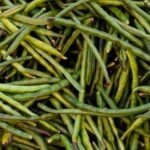
Green beans are a ubiquitous staple in kitchens worldwide, often celebrated for their crunch and vibrant colour. Scientifically known as Phaseolus vulgaris, they go by many names, including string beans, French beans, and snap beans. While they are often relegated to the role of a humble side dish at Sunday roasts or holiday dinners, their nutritional profile suggests they deserve center stage in a healthy diet.
These legumes are harvested while still young and tender, differentiating them from beans that are dried and removed from the pod. This early harvest ensures they remain low in calories while packing a dense nutritional punch.
From supporting heart health to strengthening bones, the research surrounding green beans is compelling. Whether you enjoy them blanched, roasted, or raw, understanding their specific benefits can encourage you to incorporate them more frequently into your meal planning.
Here are 9 evidence-based health benefits of green beans, along with a detailed look at their nutritional value.
Nutritional Profile of Green Beans
Before diving into the specific health benefits, it is essential to understand exactly what nutrients green beans provide. They are remarkably low in calories and fat, yet they contain an impressive array of vitamins, minerals, and plant compounds.
According to the USDA FoodData Central, one cup (approximately 100 grams) of raw green beans contains:
| Nutrient | Amount | % Daily Value (DV)* |
|---|---|---|
| Calories | 31 | – |
| Protein | 1.8 g | 4% |
| Fat | 0.2 g | 0% |
| Carbohydrates | 7 g | 2% |
| Fibre | 2.7 g | 10% |
| Sugar | 3.3 g | – |
| Vitamin C | 12.2 mg | 14% |
| Vitamin A | 690 IU | 15% |
| Vitamin K | 14.4 mcg | 12% |
| Folate (B9) | 33 mcg | 8% |
| Manganese | 0.2 mg | 10% |
*DV percentages are estimates based on a standard 2,000-calorie diet.
As the data illustrates, green beans are a nutrient-dense food. They provide significant amounts of fibre and essential micronutrients without adding excessive energy to your diet, making them an excellent choice for nutrient optimization.
1. May Improve Heart Health
Cardiovascular disease remains a leading cause of concern globally. Including green beans in your diet may be a simple strategy to support heart function. Green beans are rich in soluble fibre, which helps lower low-density lipoprotein (LDL) cholesterol—often referred to as ‘bad’ cholesterol.
High levels of LDL cholesterol can lead to plaque build-up in the arteries, increasing the risk of heart attack and stroke. Additionally, green beans contain flavonoids, which are polyphenolic antioxidants found in fruits and vegetables. These antioxidants have anti-inflammatory properties that may prevent blood clots in the arteries and improve overall circulation.
According to the American Heart Association, increasing dietary fibre is one of the most effective lifestyle changes for improving cardiovascular outcomes.
2. Supports Bone Health
When we think of bone health, calcium is usually the first nutrient that springs to mind. However, Vitamin K is equally vital for maintaining strong, healthy bones. Green beans are an excellent source of Vitamin K1 (phylloquinone).
Vitamin K plays a critical role in the production of osteocalcin, a protein essential for bone mineralization. Low intake of Vitamin K has been associated with a higher risk of bone fractures and reduced bone mineral density.
Research highlighted by the National Institutes of Health suggests that adequate Vitamin K intake improves calcium balance in the body by reducing urinary calcium excretion. Just one cup of green beans provides a substantial portion of your daily requirement, acting as a protective measure against osteoporosis.
3. Aids in Healthy Weight Management
For those looking to maintain or lose weight, green beans are a metabolic ally. With only 31 calories per cup and virtually zero fat, they are a ‘free food’ on many diet plans.
However, it is the fibre content that truly aids weight management. Fibre promotes satiety by slowing down digestion and signalling fullness to the brain. This can prevent overeating and reduce the frequency of snacking between meals.
Replacing high-calorie, processed sides with a large portion of steamed green beans allows for a high volume of food intake without the caloric penalty, a concept known as low energy density eating.
4. Helps Regulate Blood Sugar Levels
Green beans have a low Glycaemic Index (GI), meaning they digest slowly and cause a gradual, rather than sharp, rise in blood sugar levels. This makes them an ideal vegetable for individuals with type 2 diabetes or those managing insulin resistance.
Furthermore, the starch in green beans acts somewhat differently than processed carbohydrates. The combination of protein and fibre works to blunt the glucose response after a meal.
Organisations like Diabetes UK recommend low-GI foods as a cornerstone of diabetes management. Including green beans in your diet helps maintain steady energy levels throughout the day and prevents the fatigue associated with blood sugar crashes.
5. Promotes Eye Health
As we age, macular degeneration becomes a significant risk to our vision. Green beans are a rich source of carotenoids, specifically lutein and zeaxanthin. These are the same antioxidants found in carrots and leafy greens.
These compounds accumulate in the retina of the eye and help filter harmful high-energy blue light. They essentially act as internal sunglasses, protecting the delicate structures of the eye from oxidative stress and damage.
Regular consumption of foods rich in lutein and zeaxanthin is linked to a reduced risk of Age-Related Macular Degeneration (AMD) and cataracts. Information from the Cleveland Clinic supports the intake of green vegetables to preserve long-term vision.

6. Supports Digestive Health (Gut Health)
A healthy gut is the foundation of overall well-being. Green beans contain a specific type of carbohydrate known as FODMAPs (fermentable oligosaccharides, disaccharides, monosaccharides, and polyols). While some people with Irritable Bowel Syndrome (IBS) may need to monitor their intake, for the general population, the fibre in green beans is beneficial.
The fibre acts as a prebiotic, feeding the beneficial bacteria in your colon. A thriving microbiome is essential for immune function, nutrient absorption, and even mental health. To learn more about the role of fibre, you can read this comprehensive guide on Healthline.
Additionally, the bulk provided by fibre helps prevent constipation and maintains regular bowel movements, ensuring the digestive tract remains clean and efficient.
7. Essential for Pregnancy
Folate (Vitamin B9) is a non-negotiable nutrient during pregnancy. It is critical for the development of the foetus’s neural tube, which forms the brain and spinal cord. Deficiency in folate can lead to severe birth defects such as spina bifida.
A single cup of green beans provides approximately 33 mcg of folate. While pregnant women are usually prescribed supplements, obtaining folate from natural food sources is highly beneficial for absorption.
The Mayo Clinic emphasises that folate is also essential for producing DNA and other genetic material, making it vital for periods of rapid growth, such as pregnancy and adolescence.
8. Contains Cancer-Fighting Properties
Green beans contain a high amount of chlorophyll, the pigment that gives them their green colour. Some research suggests that chlorophyll may be able to block the carcinogenic effects of heterocyclic amines—chemicals generated when grilling meats at high temperatures.
Furthermore, green beans are loaded with antioxidants, including Vitamin C and manganese, which combat free radicals. Free radicals are unstable atoms that can damage cells, causing illness and ageing. By reducing oxidative stress, the antioxidants in green beans may lower the risk of certain cancers.
Studies indexed on PubMed have explored the relationship between vegetable intake and reduced cancer risk, consistently finding that higher consumption of green vegetables correlates with better health outcomes.
9. Boosts the Immune System
While citrus fruits often get all the glory for immunity, green beans are a respectable source of Vitamin C. This water-soluble vitamin is crucial for the production of white blood cells, which are the body’s first line of defence against infection.
Vitamin C also plays a vital role in the production of collagen, a protein that helps heal wounds and maintain skin integrity. Your skin is a primary barrier against pathogens, so maintaining its health is a key component of immunity.
Practical Tips: Selection and Storage
To maximise the health benefits of green beans, it is important to select fresh produce and store it correctly.
- Selection: Look for beans that are bright green and free of black spots or blemishes. They should be firm and snap crisply when broken. Avoid beans that are limp or rubbery.
- Storage: Store unwashed green beans in a reusable produce bag or a plastic bag in the refrigerator’s crisper drawer. They generally stay fresh for up to seven days.
- Preparation: Wash the beans thoroughly under running water before cooking. Snap off the tough ends (the stem end) before cooking.
How to Add More Green Beans to Your Diet
Green beans are incredibly versatile. Here are a few ways to incorporate them beyond simple boiling:
- Roasting: Toss with olive oil, sea salt, and lemon zest, then roast at 200°C for 20 minutes for a crispy alternative to chips.
- Stir-fries: Add them to Asian-style stir-fries for crunch and colour.
- Salads: Blanch them briefly in boiling water, then plunge into ice water. Add these crisp beans to Niçoise salads or grain bowls.
- Stewing: Slow-cook them with tomatoes and garlic for a classic Mediterranean side dish.
For more ideas on plant-based eating, Harvard Health offers excellent resources on integrating more vegetables into your daily routine.
Potential Downsides and Precautions
While green beans are generally safe for everyone, there are two factors to consider:
- Vitamin K interference: Individuals taking blood-thinning medication (such as Warfarin) should maintain a consistent intake of Vitamin K. Suddenly increasing your consumption of green beans could affect how the medication works. Always consult your GP.
- Lectins: Like most legumes, raw green beans contain lectins, which can cause digestive distress. Cooking degrades these lectins, making them safe to eat. It is generally recommended to avoid eating large quantities of raw green beans.
The Bottom Line
Green beans are far more than a convenient side dish; they are a nutritional powerhouse. Packed with fibre, vitamins A, C, and K, and essential minerals, they offer wide-ranging benefits from improved heart health to stronger bones.
Their low calorie count and low glycaemic index make them a perfect food for weight management and blood sugar control. By choosing fresh beans and preparing them in healthy ways—such as steaming or roasting rather than boiling them to death—you can retain their vital nutrients.
Incorporating green beans into your weekly rotation is a simple, delicious way to invest in your long-term health.
For further reading on how nutrition impacts skin health and antioxidant protection, resources from the Skin Cancer Foundation provide valuable insights into the role of diet in protection.