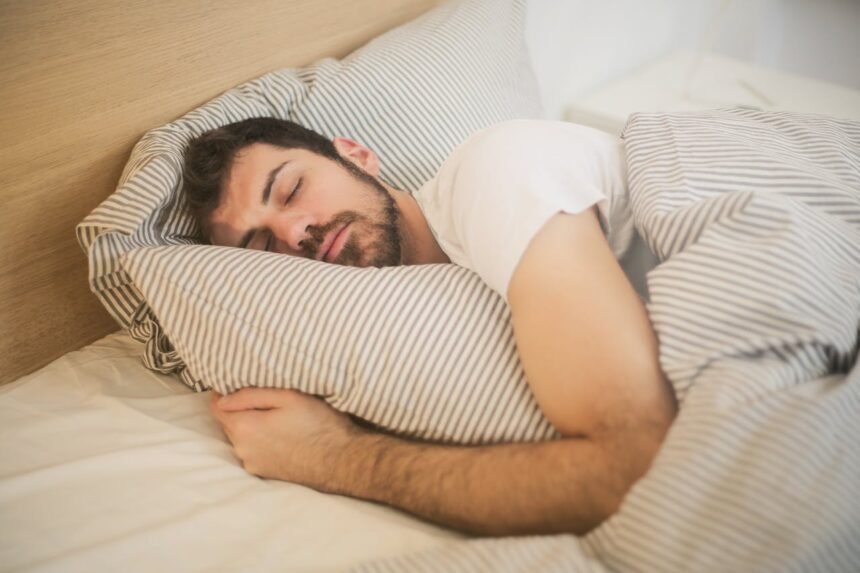
For many people across the UK, a glass of wine or a pint of beer in the evening is a standard way to unwind after a stressful day. The concept of the “nightcap” is deeply ingrained in our culture. It is often viewed as a helpful tool to aid relaxation and encourage drowsiness.
However, whilst alcohol may help you drift off faster, the relationship between alcohol and sleep is deceptive. As a central nervous system depressant, alcohol alters the architecture of your sleep in ways that can leave you feeling exhausted, anxious, and unfocused the following day.
If you are looking to improve your sleep hygiene, understanding exactly how alcohol affects your body during the night is a vital first step. This guide explores the science behind the sedation, the impact on sleep cycles, and how to manage your consumption for optimal rest.
The Difference Between Sedation and Sleep
It is important to distinguish between true, restorative sleep and sedation. Alcohol acts as a sedative. It interacts with neurotransmitters in the brain, specifically by boosting the activity of gamma-aminobutyric acid (GABA). GABA is a chemical that inhibits brain activity, making you feel calm and drowsy.
Because of this sedative effect, people who drink before bed often fall asleep—or rather, lose consciousness—much quicker than those who do not. This is known as reduced “sleep latency.” However, the quality of rest you get under the influence of alcohol is markedly different from natural sleep.
According to the NHS, relying on alcohol to fall asleep can lead to a tolerance build-up, meaning you may eventually need to drink more to achieve the same drowsy effect, which creates a dangerous cycle for your health.
How Alcohol Fragments Your Sleep Architecture
Sleep is not a uniform state; it consists of distinct stages that cycle throughout the night. A healthy sleeper will cycle through light sleep, deep (slow-wave) sleep, and Rapid Eye Movement (REM) sleep roughly every 90 minutes. Alcohol significantly disrupts this delicate structure.
The Rebound Effect
When you drink alcohol, your liver works hard to metabolise it. During the first half of the night, whilst alcohol levels in your blood are high, you may experience an increase in deep sleep. Whilst deep sleep is generally good for physical restoration, too much of it artificially induced by alcohol can suppress REM sleep.
As the night progresses and your body eliminates the alcohol, you experience a “rebound effect.” Your brain attempts to catch up on the missed REM sleep. This often results in:
- Vivid dreams or nightmares: The intense burst of REM sleep can cause disturbing dreams.
- Frequent awakenings: You are much more likely to wake up in the second half of the night.
- Restlessness: The transition between sleep stages becomes jagged and fragmented.
This fragmentation explains why you might wake up feeling unrefreshed, even if you were in bed for eight hours. If you frequently experience this grogginess, you might want to read more about causes of sleep fragmentation.
Alcohol and Sleep Disorders
For individuals who already suffer from sleep issues, alcohol acts as an accelerant, making symptoms significantly worse. It is particularly detrimental for those with breathing-related sleep disorders.
Snoring and Sleep Apnoea
Alcohol is a muscle relaxant. When you drink, the muscles in your throat, soft palate, and tongue relax more than usual. This causes the airway to narrow or collapse completely.
For someone who usually just snores, drinking can turn mild snoring into loud, disruptive gasping. For those with obstructive sleep apnoea, alcohol can increase the frequency and duration of breathing pauses (apnoeas) during the night. This leads to dangerous drops in blood oxygen levels.
The British Snoring & Sleep Apnoea Association highlights that avoiding alcohol in the evening is a primary lifestyle change recommended for reducing snoring severity.
Insomnia
It is a cruel irony that many people use alcohol to self-medicate for insomnia. Whilst it helps with the initial onset of sleep, it ultimately worsens the condition. The rebound alertness that occurs once the alcohol wears off can cause early morning awakening, leaving you staring at the ceiling at 4 am, unable to drift back off.
If you struggle with falling asleep naturally, exploring Cognitive Behavioural Therapy for Insomnia (CBT-I) is a far more effective long-term solution than a nightcap.
The Diuretic Effect: Disrupted by Dehydration
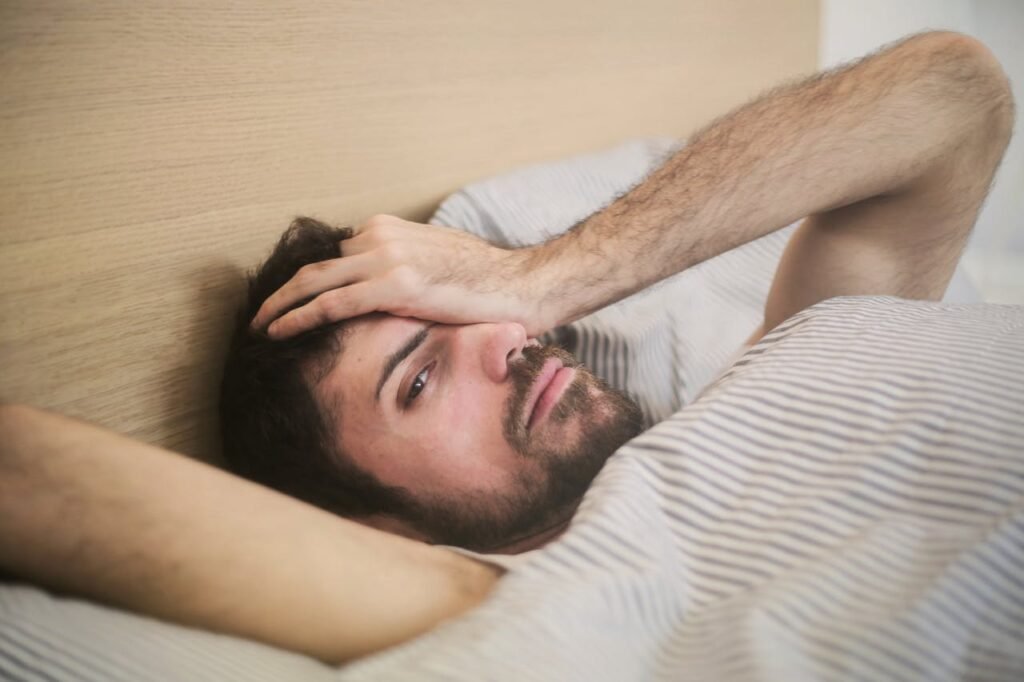
Have you ever noticed the need to visit the bathroom frequently after drinking? Alcohol is a diuretic. It suppresses the release of vasopressin, an anti-diuretic hormone that tells your kidneys to reabsorb water.
Without this hormone functioning correctly, your kidneys send water directly to your bladder. This condition, known as nocturia, forces you to wake up multiple times during the night to use the bathroom. Not only does this disrupt your sleep cycles, but it also leads to dehydration.
Dehydration contributes to the headache and grogginess associated with hangovers. Maintaining proper hydration levels is essential for sleep, and alcohol works directly against this.
Alcohol, Anxiety, and the “Hangxiety” Loop
Physical disruptions are only half the story. There is a profound link between alcohol, sleep, and mental health. Alcohol affects brain chemistry, specifically serotonin and dopamine levels.
The day after drinking, as your body attempts to rebalance its chemical state, you may experience heightened anxiety, jitteriness, or low mood—a phenomenon colloquially known as “hangxiety.”
Poor sleep itself lowers your emotional resilience, making you more susceptible to stress. This can create a negative feedback loop: you drink to relieve anxiety, sleep poorly, wake up more anxious, and feel the urge to drink again the next evening. Breaking this cycle is crucial for mental wellbeing. Resources from Mind can offer support if you feel this pattern is becoming familiar.
Optimising Your Routine: Tips for Better Sleep Hygiene
You do not necessarily need to become teetotal to improve your sleep, but you do need to be strategic about your consumption. Good sleep hygiene involves creating an environment and routine that promotes consistent rest.
Here are authoritative strategies to minimise the impact of alcohol on your sleep:
1. The “Three-Hour Rule”
Your body takes roughly one hour to process one unit of alcohol, though this varies by metabolism, weight, and gender. To protect your sleep architecture, aim to stop drinking at least 3 to 4 hours before you plan to go to sleep. This gives your body time to metabolise the alcohol before your head hits the pillow.
2. Hydrate Aggressively
For every alcoholic drink you consume, drink a glass of water. This helps counteract the diuretic effect and keeps your hydration levels stable. Before bed, have a small glass of water, but not so much that it triggers nocturia.
3. Watch Your Mixers
If you drink spirits, be mindful of what you mix them with. Mixers containing caffeine (such as cola or energy drinks) are a double threat to sleep. Caffeine blocks adenosine, the chemical that builds up sleep pressure. Combining a sedative (alcohol) with a stimulant (caffeine) wreaks havoc on your heart rate and sleep quality.
4. Avoid Alcohol as a Sleep Aid
Shift your mindset. Enjoy a drink for the taste or the social aspect, but never use it as a tool to sleep. If you need help winding down, consider natural sleep aids like magnesium or herbal teas such as camomile or valerian root.
Long-Term Health Implications
Chronic alcohol consumption disrupts the body’s circadian rhythm—the internal clock that regulates sleep-wake cycles. Over time, this desynchronisation can lead to persistent fatigue and a weakened immune system.
Furthermore, consistent heavy drinking is linked to a host of health issues beyond sleep, including liver disease and cardiovascular problems. The UK Chief Medical Officers’ guidelines recommend that to keep health risks from alcohol to a low level, it is safest not to drink more than 14 units a week on a regular basis. You can review these guidelines in detail at GOV.UK.
When to Seek Professional Help
If you find that you are unable to sleep without alcohol, or if your drinking is affecting your daily life, work, or relationships, it is vital to seek professional support. Sleep disturbances can often be a symptom of underlying alcohol dependence.
Organisations such as Drinkaware provide excellent tools for assessing your drinking habits. Additionally, speaking to your GP is a strong first step. They can refer you to specialists who can help you manage both your sleep health and your relationship with alcohol.
You might also consider tracking your sleep using a diary. Note down what you drank, when you stopped, and how you felt the next morning. This sleep diary method can provide undeniable evidence of how alcohol affects your personal rest.
The Bottom Line
While a glass of red wine might feel relaxing, the science is clear: alcohol is an enemy of quality sleep. It fragments your sleep cycles, suppresses restorative REM sleep, exacerbates snoring, and causes dehydration.
To prioritise your health and energy levels, treat alcohol with caution. By adhering to the three-hour rule, staying hydrated, and viewing alcohol as an occasional indulgence rather than a nightly sleep aid, you can protect your sleep hygiene. Quality sleep is the foundation of physical and mental health; do not let the “nightcap” myth undermine it.
Key Takeaways
- Alcohol is a sedative, not a sleep aid: It reduces sleep latency but destroys sleep quality.
- REM Sleep is suppressed: This leads to memory issues, poor concentration, and emotional instability.
- Timing matters: Stop drinking 3-4 hours before bed to allow your body to metabolise the alcohol.
- Watch for “Hangxiety”: Poor sleep and alcohol withdrawal can spike anxiety levels the next day.
- Consult a GP: If you rely on alcohol to sleep, speak to a doctor or check resources at The Mental Health Foundation.
For further reading on maintaining a healthy lifestyle, explore our guides on circadian rhythms and the benefits of alcohol-free living.