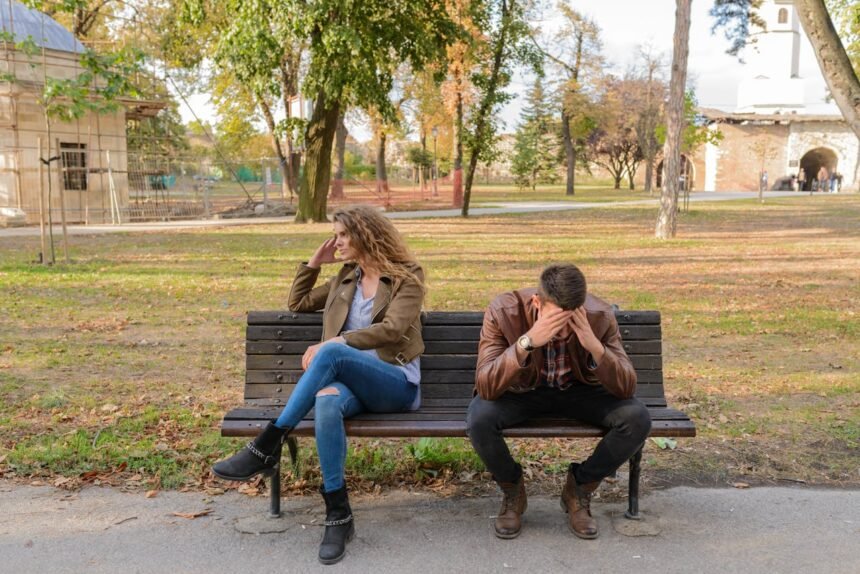
You have been feeling the tension in your shoulders for weeks. You finally decide to do something about it and hit “confirm” on a spa booking. But then, it happens. The moment you book a massage, the “undressing anxiety” kicks in. Suddenly, you aren’t thinking about the soothing oils or the quiet music; you are thinking about your skin, your shape, and exactly how much of yourself you are expected to reveal to a total stranger.
If this sounds familiar, you are far from alone. For many, the transition from daily life to the massage table involves a significant mental hurdle. This psychological phenomenon often stems from a mix of body image concerns and a lack of familiarity with professional spa protocols. However, understanding that your comfort is a priority can help you reclaim the massage therapy benefits you deserve.
Understanding “Undressing Anxiety”
At its core, this anxiety is a form of holistic health anxiety. We live in a culture that often makes us hyper-aware of our physical perceived imperfections. When we contemplate the vulnerability of being unclothed, our “fight or flight” response can get triggered, even in a safe environment designed for healing.
It is important to remember that a professional massage therapist views the human body through a clinical and anatomical lens. They are focused on muscle groups, fascia, and tension points rather than aesthetic details. Their primary goal is to facilitate a physical relaxation response that lowers cortisol and promotes well-being.
The Gold Standard: Professional Draping Techniques
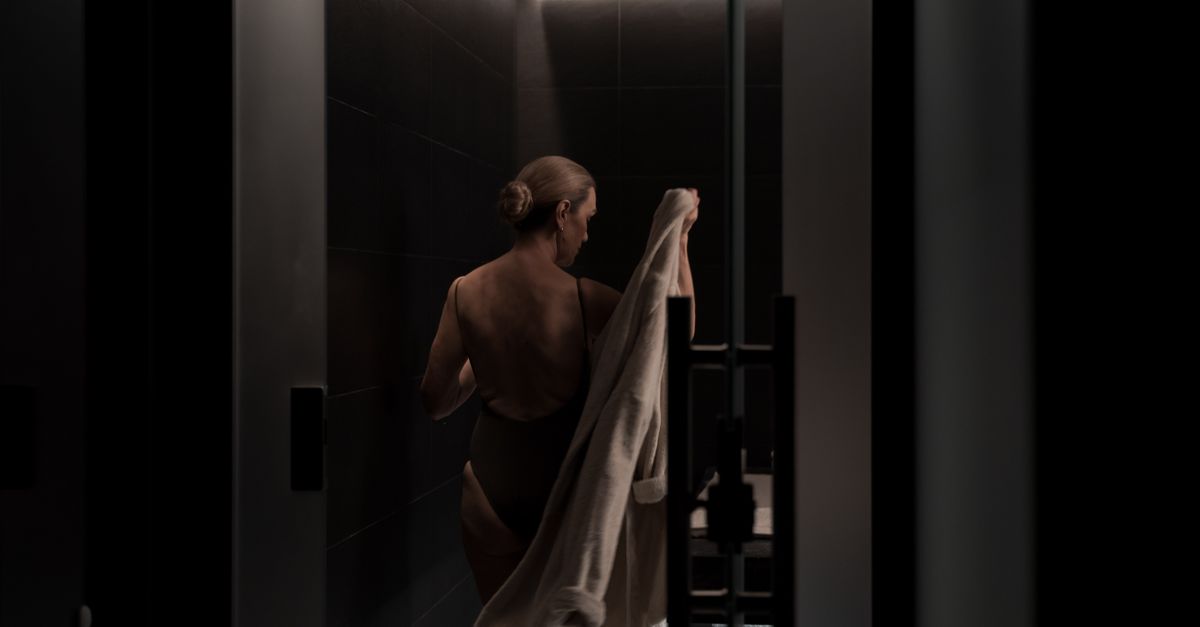
One of the most effective ways to ease your mind is to understand professional draping techniques. In any reputable clinical or spa setting, therapists follow strict guidelines to ensure your modesty is maintained at all times.
- The Sheet Barrier: You will always be covered by a large sheet or towel.
- Targeted Exposure: Only the specific part of the body being worked on (such as an arm or a leg) is ever uncovered.
- Secure Tucking: Therapists use specific folding methods to ensure the fabric stays firmly in place, providing a secure boundary.
- Private Changing: The therapist will always leave the room while you disrobe and get onto the table under the cover.
By utilising these methods, the practitioner ensures that therapeutic touch boundaries are never crossed, allowing you to feel safe and respected throughout the session.
What Should You Wear? (Spoiler: It Is Your Choice)
A common misconception is that you must be fully undressed to receive a quality massage. This is simply not true. Your comfort is the most critical factor in how effective the treatment will be. If you are tensing up because you feel too exposed, your muscles will not respond as well to the therapy.
The following table outlines common massage types and the typical clothing expectations to help you prepare:
| Massage Type | Typical Clothing | Level of Modesty |
|---|---|---|
| Swedish Massage | Underwear or fully undressed | High (Draping used) |
| Sports Massage | Shorts and a vest/sports bra | Moderate |
| Thai Massage | Loose, comfortable pyjamas (provided) | Full coverage |
| Reflexology | Fully clothed (shoes/socks removed) | Full coverage |
Massage Therapist Ethics and Your Safety
Every qualified practitioner adheres to a strict code of massage therapist ethics. This includes maintaining a professional environment, ensuring client confidentiality, and respecting the right to refuse any part of the treatment. Professional bodies, such as those recognised by Bupa or the NHS, mandate that the client’s emotional safety is just as important as their physical recovery.
According to the NHS, reducing stress is vital for long-term health. If the thought of undressing is causing more stress than the massage is relieving, simply talk to your therapist. They are trained to handle these conversations with empathy and professionalism.
How to Communicate Your Boundaries
Building body confidence in wellness starts with communication. You are the boss of your session. You can utilise the following phrases to set your boundaries clearly:
- “I’d prefer to keep my underwear on today.”
- “I’m feeling a bit anxious about being undressed; can we keep the draping extra secure?”
- “I would like to stay fully clothed for this session—is that possible?”
- “Please avoid working on my [specific area] today.”
The Science of Touch and Anxiety
While the initial anxiety is real, the physiological rewards of pushing through (within your comfort limits) are backed by science. Research published in Nature suggests that moderate pressure massage can lead to increased vagal activity and a decrease in heart rate. By calming the nervous system, massage can actually help alleviate the very anxiety you felt before the appointment began.
Working on your body image and self-acceptance is a journey. Recognising that your body deserves care, regardless of how you feel about its appearance, is a powerful step toward better health.
Strategies to Minimise Pre-Massage Nerves
If the moment you book a massage, the “undressing anxiety” kicks in, try these practical steps to settle your mind before you arrive at the centre:
1. Research the Venue
Look for reviews that mention the atmosphere and professionalism of the staff. A clinical setting might feel “safer” and more professional to some, while a luxury spa might feel more nurturing to others.
2. Choose the Right Style
If the idea of a full-body oil massage is too much, start with a chair massage or a reflexology session where you remain fully clothed. This allows you to build rapport with a therapist without the vulnerability of undressing.
3. Arrive Early
Rushing increases your heart rate and fuels anxiety. Arriving 15 minutes early allows you to acclimatise to the environment, fill out your intake forms, and speak with the therapist about your preferences before the session starts.
4. Focus on Your Breath
During the session, if you feel a wave of self-consciousness, focus on deep, rhythmic breathing. This signals to your brain that you are safe, helping you settle into a restorative state.
Summary
Massage is a powerful tool for maintaining both physical and mental health. While “undressing anxiety” is a common and valid feeling, it shouldn’t be a permanent barrier to your well-being. By understanding the protocols in place, communicating your needs, and remembering that your therapist is a professional focused on your health, you can transform your massage experience from a source of stress into a sanctuary of relaxation.
Frequently Asked Questions (FAQs)
Do I have to take my underwear off?
Absolutely not. Many people choose to leave their underwear on, and therapists are fully trained to work around them while maintaining professional draping. Your comfort is the priority.
What if I have a skin condition or scars I’m embarrassed about?
Massage therapists see all types of skin and bodies every day. They are healthcare professionals who are trained to be non-judgemental. If a certain area is sensitive, you can simply ask them to avoid it.
Can I stop the massage if I feel too uncomfortable?
Yes, you have the right to stop the session at any time for any reason. A professional therapist will honour your request immediately without question.