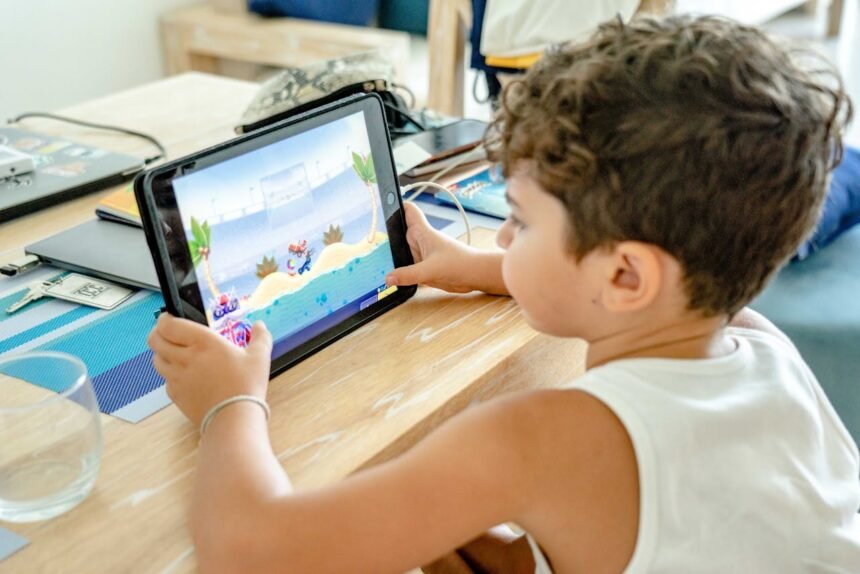
In an era where digital screens are almost impossible to avoid, many parents feel a sense of guilt regarding their children’s device usage. However, technology doesn’t always have to mean sitting still on a sofa. By choosing the right activity app kids can enjoy, you can actually leverage their love for gadgets to promote movement, health, and joy.
According to the NHS guidelines, children aged 5 to 18 need at least 60 minutes of physical activity every day. Finding an activity app kids find genuinely fun can be the bridge between sedentary behaviour and an active lifestyle. In this guide, we’ll explore how to choose the best tools to encourage physical literacy and keep your family moving.
Why Use an Activity App for Kids?
It might seem counterintuitive to use a screen to encourage exercise, but the right software can be a powerful motivator. Modern apps use gamified exercise to make boring drills feel like adventures. Whether it is a virtual dance-off or a GPS-based treasure hunt, these tools help develop essential motor skills in a way that feels like play rather than a chore.
Experts at the Mayo Clinic suggest that making fitness a family affair is one of the best ways to ensure long-term success. An activity app kids can share with their parents fosters family fitness and helps establish healthy habits that last into adulthood. Furthermore, reducing physical inactivity is a primary strategy in preventing childhood obesity, as noted by the World Health Organization.
Top Features to Look For
Not every activity app kids encounter will be beneficial. When browsing the app store, keep these features in mind to ensure a safe and effective experience:
- Safety and Privacy: Ensure the app complies with data protection laws for minors.
- Age Appropriateness: Content should be tailored specifically for school-age children to keep them engaged without being overwhelmed.
- Variety of Movement: Look for apps that include aerobic activity, muscle strengthening, and flexibility exercises.
- Incentives: Features like a digital step counter or unlockable rewards keep motivation high.
- Parental Controls: The ability to set screen time limits within the app is a major plus.
Comparing the Best Activity Apps for Kids
To help you decide, we have compared three of the most popular options currently available on the market.
| App Name | Primary Focus | Best For | Cost |
|---|---|---|---|
| GoNoodle | Dance & Mindfulness | Classroom or rainy days | Free |
| Pokémon GO | Augmented Reality | Outdoor play | Free (In-app purchases) |
| Sworkit Kids | Strength & Agility | Structured fitness | Subscription |
How Movement Impacts Mental Health
Physical activity isn’t just about strong muscles; it is vital for mental wellbeing. Research from the University of Oxford suggests that active children report higher levels of happiness and lower anxiety. When kids use an activity app kids can interact with, they often experience a “flow state,” which can be incredibly therapeutic.
Furthermore, studies at the University of Cambridge have shown that regular movement improves focus and academic performance. By incorporating coordination drills and balance exercises, these apps help the brain and body work in harmony.
The Importance of Outdoor Play
While indoor apps are great for rainy days, nothing beats outdoor play. Many apps now utilise GPS technology to encourage children to explore their local parks. The KidsHealth foundation emphasizes that fresh air and sunlight are essential components of a child’s development. If an activity app kids use requires them to walk or run outside, it provides the dual benefit of technology-driven engagement and nature-based health.
For more specific recommendations on energy expenditure, check out the resources at HealthyChildren.org. They highlight that children should be discouraged from staying still for more than 60 minutes at a time, except when sleeping.
Getting Started: A Step-by-Step Guide
- Set clear goals: Decide if you want to focus on cardio, strength, or simply getting more steps.
- Join in: Lead by example. Children are much more likely to use an activity app kids enjoy if they see their parents participating.
- Monitor progress: Use the built-in tracking features to celebrate small wins.
- Balance the day: Ensure the app is a supplement to, not a replacement for, traditional sports and free play as recommended by the UK Government.
Safety and Community Support
When choosing an activity app kids will use, it’s also worth looking at community-driven initiatives. Organisations like Sport England provide excellent resources for finding local clubs that might integrate with these digital tools. Additionally, the CDC offers a wealth of information on how to keep exercise safe for developing bodies.
For parents concerned about the psychological impact of technology, Psychology Today offers insights into how to maintain a healthy relationship between digital tools and physical movement. Remember that the goal is to use the app as a catalyst for movement, not a destination in itself. As UNICEF points out, the most important thing is that children feel empowered and excited to move their bodies every single day.
Final Thoughts on Activity Apps
The best activity app kids can use is the one that they actually want to open every day. Whether it’s through the lens of a dance competition, a yoga story, or a fitness challenge, the objective remains the same: reducing sedentary time and promoting heart health. Organizations like the American Heart Association and the British Nutrition Foundation agree that physical activity, combined with a balanced diet, is the cornerstone of a healthy childhood. For more ideas on how to make play an integral part of your day, visit Active Matters.
Frequently Asked Questions (FAQs)
What is the best age to start using an activity app for kids?
Most activity apps are designed for children aged 4 and up. For younger children, look for apps that focus on simple movements and storytelling. For older children, apps with competitive elements and data tracking work best.
Are these apps safe for my child’s data?
Most reputable apps are COPPA (Children’s Online Privacy Protection Act) compliant. However, always check the privacy policy to ensure they do not share location data or personal information with third parties.
Can an app really replace traditional PE?
No, an activity app kids use should be considered a supplement to physical education and traditional sports. It is a great way to fill gaps during home time or weekends, but it shouldn’t be the only source of movement.
Do I need expensive equipment to use these apps?
Most of the top-rated apps require nothing more than a smartphone or tablet. Some may benefit from a smart watch or a yoga mat, but they are generally designed to be accessible with minimal gear.