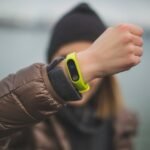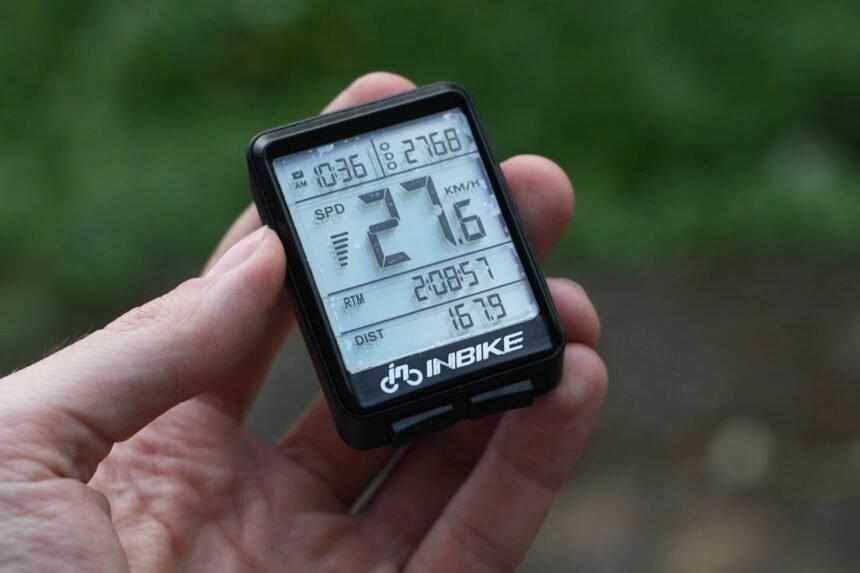
In the modern era of health and fitness, data is no longer just for professional athletes. Whether you are embarking on a morning stroll through a local park or training for a mountain marathon, a distance tracker GPS has become an indispensable companion. Gone are the days of manually measuring routes on paper maps; today, technology allows us to see our progress in real-time with the tap of a screen.
Understanding your movement is about more than just counting steps per day. It is about precision, motivation, and safety. By utilising satellite signals, these devices provide a high level of geolocation accuracy that traditional pedometers simply cannot match. If you are looking to elevate your active lifestyle, understanding how to leverage this technology is the first step toward reaching your goals.
How Distance Tracker GPS Technology Actually Works
To appreciate the utility of a distance tracker GPS, it helps to understand the science behind it. GPS, or Global Positioning System, relies on a network of satellites orbiting the Earth. When you activate a fitness app or a dedicated watch, it connects to these satellites to determine your exact coordinates.
According to research published in Nature, the precision of these satellite signals allows for real-time tracking of your velocity and position. While a smartphone sensor can approximate your location using mobile towers and Wi-Fi, a true GPS chip provides the data integrity needed for rigorous outdoor activities.
The Benefits of Tracking Your Distance
Why should you care about the exact kilometre count of your walk? The benefits are both physical and psychological. Knowing your distance helps you monitor various health metrics that contribute to long-term wellness.
- Caloric Burn: GPS tracking provides a more accurate estimate of caloric burn by factoring in speed and elevation changes.
- Pace Monitoring: For runners, pace monitoring is essential for ensuring you don’t burn out too early in a session.
- Goal Setting: Research from Psychology Today suggests that tangible data increases motivation and adherence to exercise programmes.
- Safety: Many trackers allow for route planning and location sharing, which is vital for solo explorers.
Choosing Your Tool: Smartphone vs. Wearable Technology
One of the most common questions is whether to use a mobile application or invest in dedicated wearable technology. Both have their merits depending on your specific needs and the intensity of your exercise.
The following table compares the two most popular methods of using a distance tracker GPS:
| Feature | Smartphone App | GPS Wearable (Watch) |
|---|---|---|
| Accuracy | Good (relies on phone’s chip) | High (dedicated GPS/GLONASS) |
| Battery Life | Moderate (drains phone battery) | Long (optimised for tracking) |
| Additional Sensors | Limited | Integrated heart rate monitor |
| Convenience | Must carry phone | Hands-free on wrist |
| Cost | Often free or low subscription | Higher initial investment |
Key Features to Look For
When selecting a distance tracker GPS, several features can significantly enhance your experience. Not all trackers are created equal, and your choice should reflect your primary activity.
1. Battery Life and Efficiency
GPS tracking is notorious for consuming power. If you enjoy long-distance hiking, look for a device with an “UltraTrac” or power-saving mode. Companies like Garmin offer devices specifically designed to last for days while maintaining real-time tracking.
2. Heart Rate Integration
For a comprehensive view of your health, your distance data should be paired with a heart rate monitor. This allows you to see how hard your cardiovascular system is working over a specific distance. The American Heart Association emphasizes that monitoring intensity is key to safe and effective training.
3. Offline Mapping and Route Planning
If your outdoor activities take you off the beaten path where mobile signal is weak, offline route planning is essential. Platforms like Strava or Komoot allow you to download maps directly to your device, ensuring you never lose your way.
The Impact on Long-term Health
Consistent use of a distance tracker GPS can lead to significant improvements in cardiovascular health. According to the Mayo Clinic, regular brisk walking can help prevent or manage conditions like heart disease and high blood pressure.
Furthermore, tracking your distance encourages you to meet the 150 minutes of moderate-intensity activity recommended by Bupa and other health authorities. When you can see your progress visually on a map, the “finish line” feels much more attainable.
Overcoming Potential Accuracy Issues
While distance tracker GPS technology is incredibly advanced, it is not infallible. Environmental factors can sometimes interfere with geolocation accuracy. Users should be aware of several common hurdles:
- Urban Canyons: Tall buildings can bounce signals, leading to “GPS drift.”
- Tree Canopy: Dense forests can sometimes weaken the connection to satellite signals.
- Signal Acquisition: Always wait for your device to confirm a “GPS Lock” before you start moving to ensure the entire trip is recorded. Expert reviews at DC Rainmaker often highlight which devices handle these challenges best.
To learn more about the physics of how these devices communicate with space, LiveScience provides an excellent breakdown of the technology.
The Bottom Line
A distance tracker GPS is more than just a gadget; it is a powerful tool for self-improvement. By providing accurate data on your health metrics, helping with route planning, and offering insights into your pace monitoring, it removes the guesswork from your fitness routine. Whether you prefer a sophisticated fitness app or high-end wearable technology, the key is consistency. Start tracking, stay motivated, and watch as those small distances add up to significant health transformations.
Remember that recovery is just as important as the distance covered. Ensure you are getting adequate rest to allow your body to adapt to your new active lifestyle. For more on the importance of recovery, visit the Sleep Foundation.
Frequently Asked Questions (FAQs)
Is a phone GPS as accurate as a dedicated GPS watch?
While modern smartphone sensors are quite accurate, dedicated GPS watches often support multiple satellite systems (like GLONASS or Galileo) and have more frequent sampling rates, making them slightly more reliable for professional training.
Does using a distance tracker GPS require an internet connection?
GPS itself does not require internet; it uses satellite signals. However, many fitness apps require data to load maps or sync your health metrics to the cloud once you finish your activity.
Can a distance tracker GPS help me lose weight?
Yes, indirectly. By providing accurate caloric burn data and helping you track steps per day, it allows you to better manage your energy balance. You can find more about calorie management at WebMD.
Will cold weather affect my GPS accuracy?
Extreme cold usually doesn’t affect the satellite signals, but it can significantly impact battery life. If you are adventuring in cold climates, keep your device close to your body to maintain warmth.