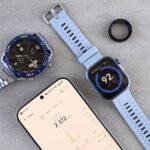
In recent years, the way we approach movement and wellness has undergone a seismic shift. No longer restricted to the confines of a gym or a doctor’s surgery, our health data is now available at the flick of a wrist. Wearable fitness tech has evolved from simple pedometers into sophisticated health companions that offer deep insights into our daily habits. Whether you are training for a marathon or simply trying to increase your daily movement, understanding these devices can help you optimise your lifestyle.
Adopting wearable fitness tech is more than just a trend; it is a movement towards proactive healthcare. According to the World Health Organization (WHO), regular physical activity is fundamental for preventing heart disease and type 2 diabetes. By utilising activity monitors, we can bridge the gap between our intentions and our actual behaviours.
Choosing the Right Fit: Trackers vs. Smartwatches
The market for wearable fitness tech is vast, ranging from minimalist bands to high-end digital assistants. Identifying your primary goals—whether that is calorie tracking for weight management or detailed biometric data for athletic performance—is the first step.
For many, fitness trackers are the ideal entry point. These devices focus heavily on step counters and basic health metrics. On the other hand, smartwatches offer a more integrated experience, allowing for GPS tracking, notifications, and even smart jewellery aesthetics for those who prefer a more discreet look.
| Device Category | Primary Benefits | Best For |
|---|---|---|
| Fitness Trackers | Long battery life, focused movement data, lightweight. | Casual walkers, budget-conscious users. |
| Smartwatches | App integration, comprehensive connectivity, GPS tracking. | Commuters, tech enthusiasts, multi-sport athletes. |
| Advanced Sports Watches | Detailed VO2 max, recovery metrics, offline maps. | Triathletes, hikers, performance-focused runners. |
Key Metrics: Beyond Just Counting Steps
While early devices focused on simple movement, modern wearable fitness tech explores the internal workings of the body. Sophisticated ECG sensors and monitors now provide a level of biofeedback that was previously only available in clinical settings.
Heart Rate Monitoring and Cardiovascular Health
Heart rate monitoring is perhaps the most critical feature of any wearable. It allows users to track their resting heart rate—a key indicator of overall fitness. Research published by the British Heart Foundation suggests that monitoring your activity levels can significantly lower cardiovascular risk. Many devices now include alerts for irregular rhythms, which can prompt a timely visit to a healthcare professional.
Understanding Sleep Stages
Recovery is just as important as the workout itself. Most modern wearables now track sleep stages, categorising your rest into light, deep, and REM cycles. The Mayo Clinic emphasises that adequate sleep is vital for cognitive function and physical repair. By reviewing this data, you can adjust your bedtime routine to improve your overall recovery.
Oxygen Levels and VO2 Max
Monitoring blood oxygen levels (SpO2) has become a standard feature. This metric is particularly useful for those travelling to high altitudes or monitoring respiratory health. Additionally, VO2 max—a measure of the maximum amount of oxygen your body can utilise during exercise—provides a clear picture of your aerobic endurance. As noted by the Cleveland Clinic, improving your VO2 max is a strong predictor of longevity.
The Science of Motivation and Habit Formation
The true power of wearable fitness tech lies in its ability to change behaviour. Through “gamification”—using badges, streaks, and challenges—these devices tap into our psychological need for achievement. A study in the Journal of the American Medical Association (JAMA) explored how financial incentives combined with fitness trackers could increase physical activity.
- Visual Reminders: Seeing your progress in real-time encourages you to take the stairs instead of the lift.
- Accountability: Sharing biometric data with friends or community groups fosters a sense of healthy competition.
- Data-Driven Decisions: Recognising patterns in calorie tracking versus energy expenditure helps in making better nutritional choices.
Safety, Privacy, and Accuracy
While wearable fitness tech offers incredible benefits, it is important to acknowledge its limitations. Devices are generally accurate for heart rate and steps but may vary in their calorie tracking estimations. The NHS recommends using these tools as a guide rather than absolute clinical fact.
Privacy is another consideration. With constant data collection, ensuring your biometric data is stored securely is paramount. Most reputable brands provide end-to-end encryption, but users should always review their privacy settings. High-quality research on digital health privacy in Nature suggests that transparency in data usage is essential for consumer trust.
Integration with the Broader Healthcare System
We are moving toward a future where wearable fitness tech integrates directly with our medical records. The National Institutes of Health (NIH) has highlighted how wearable monitors can detect early signs of illness, such as infections, before symptoms even appear. This proactive approach could revolutionise the British Medical Journal’s reported strain on primary care services by allowing for remote patient monitoring.
Furthermore, research found in ScienceDirect notes that the development of flexible, non-invasive sensors will soon allow us to track even more complex health metrics, such as glucose levels and hydration, without the need for needles.
Practical Tips for Getting the Most Out of Your Wearable
- Consistency is Key: Wear your device daily to ensure the biometric data collected is a true reflection of your lifestyle.
- Calibrate Regularly: Ensure your height, weight, and age are updated in the app to maintain accuracy in calorie tracking.
- Set Realistic Goals: Start with achievable targets, such as a 10% increase in your current average steps.
- Listen to Your Body: Use the data as a tool, but don’t ignore physical signs of fatigue or injury. As Johns Hopkins Medicine points out, a tracker should supplement, not replace, your body’s natural signals.
For those looking to dive deeper into the clinical evidence behind these devices, the Lancet Digital Health provides extensive reviews on how technology is shaping modern medicine. Additionally, Medical News Today offers excellent breakdowns of the latest device releases and their health implications. To stay motivated, Harvard Health Publishing suggests that the social features of wearables are often the most effective for long-term adherence.
Frequently Asked Questions (FAQs)
How accurate is wearable fitness tech for heart rate?
Most modern devices are highly accurate for resting heart rate. However, during high-intensity interval training (HIIT), wrist-based sensors may lag slightly compared to chest straps. For general fitness purposes, they are more than sufficient for tracking trends over time.
Can wearable fitness tech help me lose weight?
While a device won’t lose weight for you, it serves as a powerful tool for calorie tracking and increasing daily movement. By providing a clear picture of your energy expenditure versus intake, it helps you maintain the caloric deficit necessary for weight loss.
Do I need to wear my fitness tracker at night?
To get the most out of your health metrics, wearing the device at night is recommended. This allows the tracker to monitor your sleep stages and resting heart rate, providing a comprehensive view of your recovery and overall readiness for the day ahead.