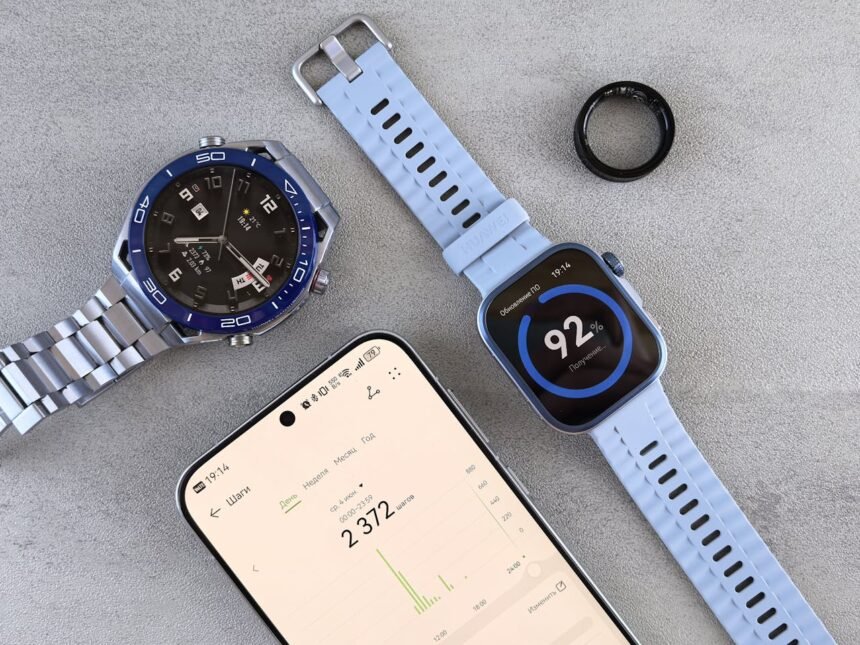
In recent years, the landscape of wearable technology has shifted dramatically. While bulky smartwatches once dominated the scene, a more discreet contender has emerged: the smart ring. These sleek bands are no longer just futuristic jewellery; they are becoming essential tools for anyone prioritising their smart ring health journey. By packing sophisticated sensors into a tiny form factor, smart rings offer a non-intrusive way to monitor your body 24/7.
Whether you are an elite athlete or someone simply looking to improve your wellness monitoring, understanding how these devices work is the first step toward better health outcomes. This guide explores the benefits, the data, and why your next health investment might sit on your finger rather than your wrist.
What Exactly is a Smart Ring?
A smart ring is a lightweight, water-resistant device equipped with advanced sensors that sit flush against the skin of your finger. Unlike smartwatches, which can be cumbersome to wear during sleep, smart rings are designed for continuous use. They utilise photoplethysmography (PPG)—the same light-based technology used in hospital pulse oximeters—to track various physiological signals.
According to the NHS, monitoring personal health data can be a proactive way to manage lifestyle-related conditions. Smart rings make this easier by gathering biometric data without the need for a screen or constant notifications, allowing for a more “mindful” connection with your body.
The Core Metrics of Smart Ring Health
To truly understand your smart ring health, you need to look at the specific data points these devices collect. Most premium rings focus on four primary pillars of health:
- Sleep Architecture: By measuring movement and heart rate, rings can estimate your time spent in light, deep, and REM sleep stages. The Sleep Foundation highlights that consistent sleep tracking can help identify patterns that lead to daytime fatigue.
- Heart Rate Variability (HRV): This is a key indicator of your autonomic nervous system’s health. A higher HRV generally suggests better cardiovascular fitness and resilience to stress.
- Body Temperature Monitoring: Small fluctuations in skin temperature can signal the onset of an illness or track menstrual cycle tracking phases with high precision.
- Blood Oxygen Saturation (SpO2): Monitoring oxygen levels during sleep can be a helpful tool for identifying potential breathing disturbances, as noted by Mayo Clinic.
How Smart Rings Compare to Smartwatches
Choosing between a ring and a watch often comes down to personal preference and specific health goals. Below is a comparison to help you decide which fits your lifestyle.
| Feature | Smart Ring | Smartwatch |
|---|---|---|
| Battery Life | Usually 4–7 days | 1–2 days (typically) |
| Discretion | High (looks like jewellery) | Low (visible screen) |
| Sleep Tracking | Excellent (lightweight) | Moderate (can be bulky) |
| Activity Tracking | Basic (steps, calories) | Advanced (GPS, real-time pace) |
| Notifications | None or vibration only | Full calls, texts, and apps |
The Role of Data in Chronic Condition Management
For those living with long-term health issues, chronic condition management is becoming increasingly digitised. Researchers at Nature have explored how continuous monitoring can provide early warnings for viral infections. Because a smart ring sits closely against the digital arteries in the finger, the signal is often cleaner than that from the wrist.
Furthermore, stress levels can be inferred by combining heart rate data with skin conductance. By recognising when your body is in a “fight or flight” mode, you can utilise breathing techniques or meditation to lower your cortisol levels. Insights from Healthline suggest that even minor lifestyle adjustments based on wearable data can significantly reduce long-term health risks.
Integrating Smart Rings into Your Daily Routine
Using a smart ring effectively requires more than just wearing it. You must learn to interpret your recovery score—a metric provided by brands like Oura and Whoop that tells you how ready your body is for physical strain. If your recovery is low, it may be a sign to prioritise rest over a high-intensity workout.
Many rings also incorporate NFC technology for contactless payments, adding a layer of convenience to their health-focused design. However, the primary value remains the activity tracking capabilities that nudge you toward reaching your daily movement goals, a practice supported by the World Health Organization for maintaining metabolic health.
Key Benefits of Smart Ring Health Monitoring
- Improved Sleep Hygiene: By identifying what disrupts your rest (like late-night caffeine or alcohol), you can make data-driven changes.
- Early Illness Detection: Sudden spikes in resting heart rate or temperature often precede symptoms of a cold or flu, as discussed in The BMJ.
- High Compliance: Because they are comfortable, users are more likely to wear them consistently compared to other devices.
- Fertility Awareness: For women, tracking basal body temperature shifts is a scientifically backed method for menstrual cycle tracking, supported by Johns Hopkins Medicine.
Choosing the Right Ring for You
The market is expanding rapidly. Leading options like the Oura Ring Gen3, the RingConn, and the Samsung Galaxy Ring offer different ecosystems. When selecting a device, consider whether you prefer a subscription-based model or a one-time purchase. Technical reviews on The Guardian and BBC Health often highlight the importance of app interface and data privacy.
Research published on ScienceDirect emphasises that the accuracy of these sensors is constantly improving, making them viable supplements to traditional medical advice, though they should never replace a consultation with a GP.
Future Trends in Wearable Wellness
As smart ring health technology evolves, we can expect to see features like non-invasive glucose monitoring and blood pressure estimation. These advancements, often discussed in Forbes, aim to make health data more accessible to the average person. Educational institutions like Harvard University are also investigating how the data from millions of wearable users can be used to predict public health trends.
The integration of AI will likely provide even more personalised coaching, turning raw data into actionable lifestyle prescriptions. As noted by WebMD, the goal is to move from reactive medicine to a proactive, preventative approach.
Frequently Asked Questions (FAQs)
How accurate is a smart ring for heart rate monitoring?
Most high-quality smart rings are very accurate for resting heart rate and heart rate variability (HRV). However, because they can move on the finger during vigorous exercise, they may be slightly less precise than a chest strap monitor during high-intensity interval training. For more on heart health, visit PBS Health.
Can I wear my smart ring while swimming?
Yes, most leading smart rings are rated for water resistance up to 50 or 100 metres. This makes them suitable for swimming, showering, and hand-washing. Always check the manufacturer’s specific ATM rating before submerging your device.
Does a smart ring track calories burned accurately?
Smart rings estimate calorie burn based on your biometric data and movement. While they provide a good general guide for daily activity tracking, calorie estimation in wearables is an approximation rather than an exact science. They are best used to track trends over time rather than specific numbers for weight loss.
How does a smart ring help with stress?
By monitoring your stress levels through HRV and skin temperature, a smart ring can alert you to physiological signs of tension. Many companion apps then suggest mindfulness exercises or guided breathing to help your body return to a state of calm.