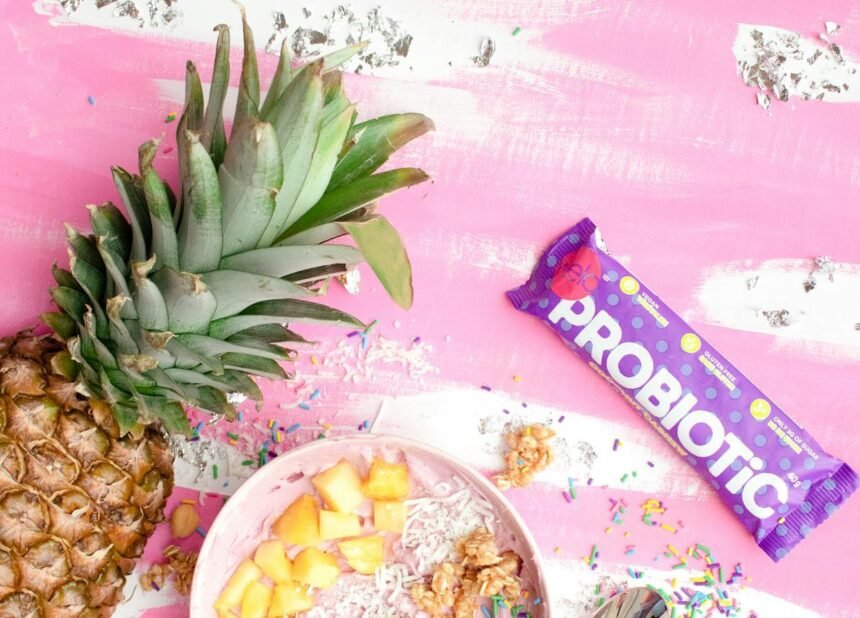
Every parent wants their child to be happy, healthy, and full of energy. Recently, there has been a surge of interest in gut health for children, and for good reason. The tiny organisms living in our digestive systems play a massive role in our overall wellbeing. This is where probiotics come in.
You might have seen them on supermarket shelves or heard other parents discussing the best probiotics for toddlers UK retailers have to offer. But what exactly are they? Are they safe? And does your child really need them? This comprehensive guide breaks down the science into simple, actionable advice for parents.
What Are Probiotics?
Probiotics are live bacteria and yeasts that provide health benefits when consumed in adequate amounts. They are often called “friendly” or “good” bacteria because they help keep the gut healthy. While the thought of feeding your child bacteria might sound odd, our bodies are naturally full of them.
The digestive system is home to trillions of microbes, collectively known as the microbiome. A balanced microbiome supports digestion, the immune system, and even mood. Factors like a sugary diet, illness, or a course of antibiotics can knock this balance off. Probiotics help restore order.
> Did you know? The gut is often called the “second brain” because of its strong connection to the nervous system. A happy tummy often means a happy child.
Key Benefits of Probiotics for Children
Research into child probiotics is ongoing, but studies have shown promising results for several common childhood ailments.
1. Soothing Digestive Troubles
One of the most common reasons parents turn to supplements is to help with tummy troubles. Probiotics for constipated child relief is a popular search topic because specific strains may help soften stools and improve bowel movement frequency.
Conversely, probiotics are also effective for treating diarrhoea. If your child catches a stomach bug (gastroenteritis), probiotics may reduce the duration of the illness by about one day.
2. Supporting Recovery After Antibiotics
Antibiotics are life-saving medicines, but they can’t distinguish between bad bacteria causing an infection and the good bacteria in your child’s gut. This often leads to antibiotic-associated diarrhoea.
Giving probiotics for kids after antibiotics can help replenish the beneficial bacteria that were wiped out. Evidence suggests that starting probiotics alongside the antibiotic course (but taken a few hours apart) is the most effective strategy. According to the Cochrane Library, probiotics can significantly prevent diarrhoea associated with antibiotic use.
3. Managing Eczema and Skin Conditions
There is a fascinating link between the gut and the skin. Some studies suggest that taking specific probiotics during pregnancy or early infancy may lower the risk of developing eczema. If you are looking for the best probiotic for child eczema, look for products containing Lactobacillus rhamnosus GG. While they may not cure existing eczema, they can help manage symptoms in some children.
4. Boosting the Immune System
With schools and nurseries being breeding grounds for bugs, an immune system booster for kids is always high on a parent’s wish list. A healthy gut barrier prevents harmful pathogens from entering the bloodstream. Some trials indicate that daily probiotics can reduce the number of colds and respiratory infections children catch during winter.
Best Natural Sources of Probiotics
Before reaching for supplements, you can try introducing natural probiotics for fussy eaters through their diet. This is often the best way to maintain long-term gut health.
Live Yoghurt:** Look for pots labelled “live” or “active cultures”. *Probiotic yoghurt for toddlers is usually well-accepted because of the creamy texture and familiar taste.
* Kefir: A fermented milk drink that is thinner than yoghurt but packed with even more beneficial bacteria. You can blend it into smoothies to hide the tangy flavour.
* Sauerkraut and Pickles: Fermented vegetables are excellent, though the strong sour taste might be tricky for some children.
* Cheese: Some aged cheeses, like cheddar and gouda, can contain probiotics that survive the journey through the gut.
For more advice on a balanced diet, the British Nutrition Foundation offers excellent resources on nutrition for school-aged children.

Choosing the Right Supplement
If your child is a picky eater or needs a therapeutic dose, a supplement might be necessary. However, not all products are created equal.
Strains Matter
Different bacteria do different things. You need to match the strain to the symptom:
Lactobacillus rhamnosus GG:** Best for preventing diarrhoea and supporting immune health. It is one of the most researched strains of *Lactobacillus rhamnosus GG for children.
Saccharomyces boulardii:** This is actually a beneficial yeast. *Saccharomyces boulardii for kids is particularly effective for preventing antibiotic-associated diarrhoea.
* Bifidobacterium lactis: Often used for constipation and general gut support.
Forms and Delivery
* Liquid probiotics for babies: These are ideal for infants as drops can be placed directly on the tongue or mixed into milk.
* Powders: Easy to stir into cold food or drink. (Avoid hot food, as heat kills the bacteria).
* Chewables/Gummies: Great for older children, but be mindful of the sugar content.
Always check the label for “CFU” (Colony Forming Units). A higher number isn’t always better; the quality of the strain is more important. For specific product guidance, resources like the British Dietetic Association can be very helpful.
Special Dietary Needs
Many children today have allergies or dietary restrictions. Fortunately, the market has adapted:
* Dairy Free Probiotics for Infants: Many standard probiotics are grown on dairy cultures, so always check the label if your child has a cow’s milk protein allergy.
* Vegan Probiotics for Kids: These are free from animal products and are widely available in the UK.
Safety and Side Effects
Generally, probiotics are considered safe for healthy children. However, some children may experience mild side effects when they first start taking them.
Signs your child needs probiotics might be subtle, but signs they are adjusting to them can include:
* Mild bloating
* Gas (wind)
* Temporary loose stools
These symptoms usually disappear after a few days as the body adjusts. However, if your child has a compromised immune system or a serious underlying health condition, you must consult a paediatrician before introducing live bacteria. For trusted medical advice, the NHS website is the first port of call.
When to See a Doctor
While probiotics are helpful, they are not a substitute for medical treatment. If your child has persistent diarrhoea, blood in their stool, or severe abdominal pain, seek medical attention immediately. Websites like Patient.info provide excellent symptom checkers and health information.
Frequently Asked Questions (FAQ)
1. Can I give my child adult probiotics?
It is generally not recommended. Adult probiotics may have strains or doses that are too high for a child’s smaller digestive system. It is safer to stick to products specifically formulated as a daily probiotic for school age kids or infants.
2. How long does it take for probiotics to work?
This depends on the condition. For acute diarrhoea, you might see results in a day or two. For conditions like eczema or general immune support, it may take several weeks of consistent use to notice a difference.
3. Can I put probiotic powder in hot food?
No. Probiotics are live organisms. High temperatures will kill them, rendering the supplement useless. Always mix powders into cold or room-temperature food and drinks.
4. Should probiotics be refrigerated?
Some require refrigeration to keep the bacteria alive, while others are freeze-dried and shelf-stable. Always read the packaging instructions carefully.
5. Are there specific probiotics for babies with colic?
Yes, some studies suggest that Lactobacillus reuteri can help reduce crying time in breastfed infants with colic. However, results vary, and it is best to discuss this with your health visitor or GP.
—
Disclaimer: This article is for satisfying informational purposes only and does not constitute medical advice. Always consult a healthcare professional before starting any new supplement regimen for your child.
Additional Resources:
* National Eczema Society
* PubMed Central
* WebMD Parenting
* Healthline Nutrition
* Cleveland Clinic
* Harvard Health