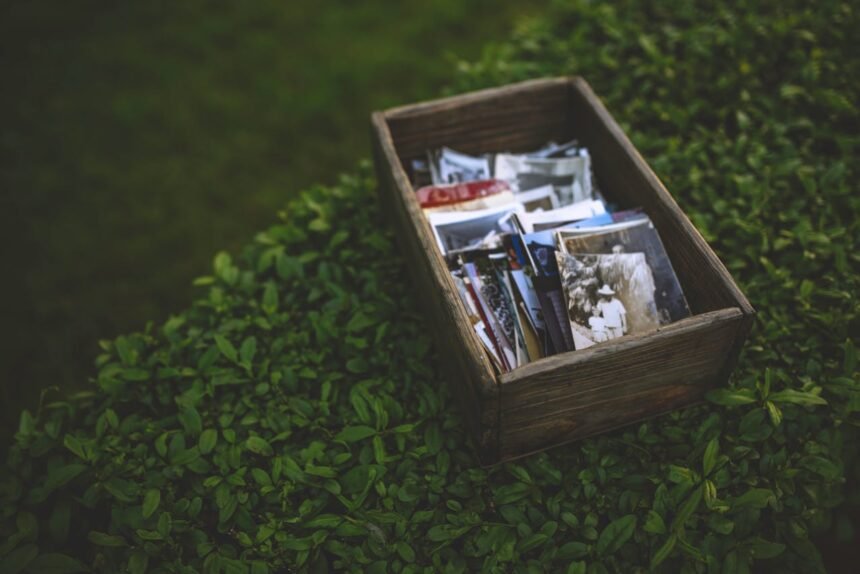
In an increasingly digital world, where photographs live on clouds and letters are sent via email, the tactile magic of a physical keepsake is more potent than ever. A memory box serves as a tangible anchor to our past, a treasure chest of moments that might otherwise slip through the cracks of our busy lives. Whether you are preserving the fleeting days of childhood, commemorating a marriage, or processing grief, creating a personalised repository for your souvenirs is a deeply rewarding endeavour.
This comprehensive guide will walk you through everything you need to know about creating, filling, and preserving a memory box, ensuring your most cherished possessions survive for future generations to enjoy.
What is a Memory Box?
At its simplest, a memory box is a container used to store mementos, photographs, and items of sentimental value. However, it is far more than just a storage solution. It is a curated collection of your personal history—a family time capsule box that tells a story without uttering a single word.
Unlike a photo album, which is limited to two-dimensional images, a memory box invites you to engage with the past using multiple senses. You can run your fingers over a wooden memory box UK craftsmen have carved, smell the dried flowers from a wedding bouquet, or read the handwritten ink on a decades-old letter.
The Shift from Digital to Physical
While our smartphones hold thousands of images, there is a growing concern about the permanence of digital files. A study by Cartridge Save highlighted that a significant number of adults risk losing a lifetime of memories due to device failure or lost passwords. Physical keepsakes offer a security that digital formats cannot guarantee; a personalised keepsake box does not require a software update to be opened.
The Psychology Behind the Keepsake
Why do we feel the need to hoard ticket stubs and old wristbands? The answer lies in the psychological power of nostalgia. According to Psychology Today, nostalgia acts as a buffer against anxiety and boredom, helping to strengthen our sense of identity.
When we interact with physical objects from our past, we ground ourselves. This is particularly vital during times of transition or loss. The act of organising these items into a large memory box with lid can be therapeutic, allowing us to process emotions and celebrate our journey.
Types of Memory Boxes You Can Create
There is no ‘one size fits all’ approach. The type of box you create depends entirely on the narrative you wish to preserve. Here are some of the most popular themes:
1. Baby Memory Box
The early years of a child’s life pass in a blur of sleepless nights and rapid milestones. Baby memory box ideas often focus on the ‘firsts’. Parents use these boxes to store items that are too three-dimensional for a baby book.
* What to include: Hospital identity bands, the first lock of hair, first pair of shoes, a favourite rattle, and ultrasound scans.
Tip:** A **baby keepsake box** makes for a thoughtful *christening gift box for new parents.
2. Wedding Keepsake Box
After the cake has been eaten and the dress packed away, a wedding keepsake box becomes the primary physical remnant of your special day. It captures the romance and the tiny details that you spent months planning.
* What to include: A copy of the invitation, dried flowers from the bouquet, the cork from the first bottle of champagne, confetti, and handwritten vows.
3. Bereavement & Memorial Boxes
Grief is a complex journey, and many find comfort in creating a bereavement memory box. Organisations like Marie Curie and Cruse Bereavement Support often advocate for memory boxes as a tool to help process loss. It allows you to keep a part of your loved one close.
What to include:** Their favourite perfume or cologne (scent is a powerful memory trigger), glasses, a piece of jewellery, or a *memory box for deceased pet might include a collar and favourite toy.
4. Memory Box for Dementia Patients
For those living with Alzheimer’s or dementia, a memory box is not just sentimental—it is functional. A memory box for dementia patients is designed to trigger long-term memory recall and stimulate conversation. The Alzheimer’s Society suggests that rummaging through familiar items can reduce agitation and bring comfort.
* What to include: Items from their youth, tactile fabrics, photographs of family members labelled clearly, and objects related to their former career or hobbies.
5. Travel Memory Box
If you have wanderlust, travel memory box ideas can help you document your adventures. Instead of letting souvenirs gather dust on a shelf, keep them safe in a dedicated box.
* What to include: Maps with routes highlighted, foreign currency, plane tickets, seashells, and postcards.

How to Create Your Own Memory Box
Creating a memory box is a simple DIY project that can be as elaborate or as simple as you like. You can follow guides on sites like WikiHow for crafting techniques, but here is a straightforward approach:
Step 1: Choose the Right Vessel
Durability is key. A wooden memory box UK* suppliers offer is often the best choice because wood is breathable and sturdy. You might opt for an *engraved memory box to add a special touch, such as a name or a date. Avoid standard cardboard shoe boxes, as they attract pests and acidity over time.
Step 2: Gather Your Supplies
If you are wondering how to make a memory box last, you need the right internal materials.
* Acid-free tissue paper: Essential for wrapping textiles and paper.
* Silica gel packets: To control moisture and prevent mould.
* Label tags: To write down the significance of each item.
Step 3: Curate Your Collection
Do not just dump everything inside. Be selective. The items should spark joy or a distinct memory. If you are creating a personalised wooden box for boyfriend or partner, choose items that represent shared in-jokes or milestones.
What to Put in a Memory Box: A Checklist
Stuck for ideas? Here is a list of things to put in a memory box to get you started:
* Photographs: Print out your favourites. Don’t rely on the cloud.
* Letters and Cards: Handwriting is incredibly personal.
* Textiles: A baby grow, a wedding veil swatch, or a favourite scarf.
* Technology: An old USB drive with videos (ensure you migrate the data every few years).
* Newspapers: A clipping from the day you were born or the day you were married.
* Jewellery: Costume pieces or broken heirlooms that still hold sentimental value.
* Scent: A small vial of perfume or a dried lavender bag.
> “The aim is not to hoard, but to curate a physical museum of your life.”
Preserving Your Treasures
Once you have filled your box, preservation is the next priority. The National Archives and the Library of Congress offer excellent advice on preserving family heirlooms.
- Avoid Direct Sunlight: Light fades ink and damages fabrics. Keep your box in a cool, dark place (like a wardrobe or under the bed), but avoid attics or basements where temperature fluctuations are extreme.
- Remove Harmful Fasteners: Take off rubber bands, paper clips, and rusty staples. Rubber bands rot and stick to paper, while metal rusts.
- Textile Care: If storing baby clothes or wedding veils, wrap them in acid-free tissue paper to prevent yellowing.
- Digital Backups: For photos and videos, follow the 3-2-1 backup rule. Keep physical copies in the box, but ensure digital copies exist in two different locations.
The Role of Memory Boxes in Mental Health
Engaging with a memory box can be a grounding technique. Charities like Mind and Age UK recognise the importance of reminiscence work. For the elderly, it validates their life experiences. For younger people, it provides a sense of continuity and belonging.
A study highlighted by the University of Derby emphasises how sensory triggers in memory boxes can significantly improve the well-being of those with memory loss, proving that these boxes are powerful tools for connection.
Conclusion
Whether you are looking for baby memory box ideas, a way to honour a lost loved one, or simply a method to organise your own life’s clutter, the humble memory box is a powerful tool. It transforms the abstract nature of memory into something solid and enduring.
By choosing a high-quality personalised keepsake box and curating its contents with care, you are not just storing ‘stuff’—you are preserving your legacy. So, find a beautiful box, print those photos, and start building your time capsule today.
Frequently Asked Questions
1. What is the best material for a memory box?
Wood is generally the best material as it is durable, breathable, and protects contents from light. An untreated wooden memory box UK sourced is ideal. Avoid plastic if possible, as it can trap moisture, leading to mould on delicate items.
2. How do I preserve newspaper clippings in a memory box?
Newspaper is highly acidic and will turn yellow and brittle quickly. To preserve it, photocopy the article onto acid-free paper for the box. If you must keep the original, place it in an archival-quality polyester sleeve to prevent it from damaging other items.
3. Can I include food items like wedding cake?
It is not recommended. Even dried food can attract pests or degrade, damaging other items in the box. Instead, keep the cake topper or a photo of the cake.
4. How often should I open or check my memory box?
It is good practice to check your box once a year. This allows you to air it out, check for any signs of pests or damp, and perhaps add new items. It also gives you a lovely opportunity to reminisce.
5. What is the difference between a time capsule and a memory box?
A memory box is usually accessible and added to over time, kept in the home. A family time capsule box is often sealed with the intention of being opened at a specific future date (e.g., 20 years later) and is sometimes buried or stored away securely.