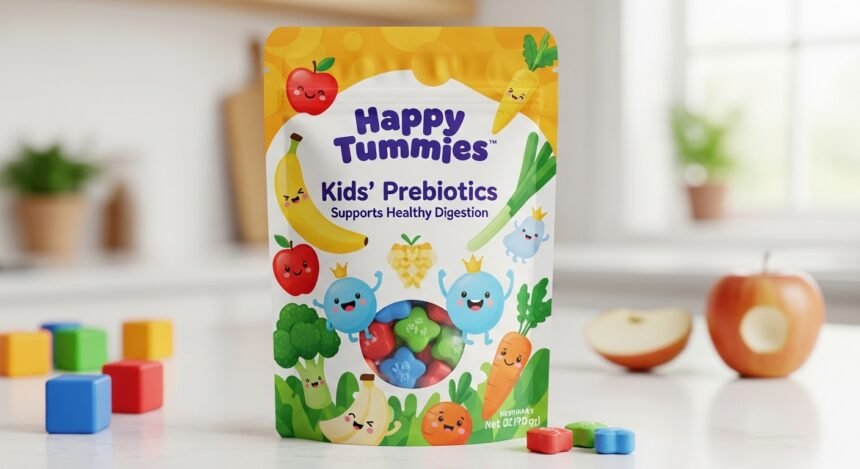
As parents, we often focus on vitamins and minerals, ensuring our little ones get enough calcium for strong bones or vitamin C for sniffles. However, there is a hidden hero in your child’s health that often goes unnoticed: the gut microbiome. Central to this system are kids prebiotics, the fuel that keeps little tummies happy and healthy.
If you have ever felt confused by the difference between probiotics and prebiotics, you are not alone. This guide will break down the science into simple terms, offering practical advice on gut health for children UK* parents can trust. From *prebiotic foods for picky eaters to understanding the gut-brain connection, we have got it covered.
What is the Difference Between Prebiotics and Probiotics?
To understand prebiotics, we must first look at the bigger picture. Your child’s gut is home to trillions of tiny bacteria. Some are helpful, and some can be harmful.
Probiotics** are the live, beneficial bacteria themselves. You find these in foods like *yoghurt, kefir, and sauerkraut.
Prebiotics are the *food for those bacteria. They are types of non-digestible fibre that travel to the lower digestive tract to feed the good bugs.
Think of your child’s gut as a garden. Probiotics are the seeds and plants (the flowers you want to grow). Prebiotics are the fertiliser that helps them thrive and bloom. Without the fertiliser, the flowers struggle to survive against the weeds (bad bacteria).
For a detailed breakdown of this relationship, the Mayo Clinic offers excellent insights into how they work together.
Why is Gut Health Important for Children?
A healthy gut does far more than just digest food. It is the command centre for your child’s overall wellbeing.
1. Stronger Immunity
Did you know that approximately 70% of the immune system resides in the gut? A robust microbiome acts as an immune system booster for kids. When good bacteria are well-fed with prebiotics, they create a barrier against harmful pathogens. Research published in Frontiers in Immunology suggests that prebiotics can modulate immune responses, potentially reducing the frequency of common childhood illnesses.
2. Improved Mood and Behaviour
There is a direct communication line between the tummy and the brain, known as the gut-brain axis. Healthy gut bacteria for child development can influence everything from mood swings to concentration. If your child is irritable or struggling to focus, it might be worth looking at their diet.
3. Better Digestion
Regular intake of soluble fibre for children helps regulate bowel movements. This is crucial for preventing constipation, a common ailment in toddlers and school-aged children.
Top Natural Prebiotic Foods for Kids (Picky Eater Friendly)
You do not need expensive supplements to boost your child’s intake. Many everyday foods are natural prebiotics for kids. Here are some of the best sources:
Bananas:** Specifically, slightly green bananas are rich in resistant starch. *Banana prebiotic benefits are fantastic because they are easy to digest and most kids love them.
* Apples: ‘An apple a day’ holds truth. The skin contains pectin, a powerful prebiotic fibre.
* Oats: Porridge is a breakfast staple in the UK for a reason. Oats contain beta-glucan fibre which feeds good gut bacteria.
* Berries: Blueberries, strawberries, and raspberries are packed with fibre and antioxidants.
* Onions and Garlic: While strong in flavour, these are prebiotic powerhouses. Cook them down into pasta sauces so they are undetectable.
* Asparagus: A great source of inulin fibre, though it may take some creative cooking to get toddlers to eat it!
For a comprehensive list of fibre-rich foods, the NHS guide on digestive health is a valuable resource.
Signs Your Child Might Need More Prebiotics
How do you know if your little one’s gut needs some extra support? Look out for these signs of poor gut health in child:
- Digestive Issues: Chronic bloating, gas, or diarrhoea.
- Constipation:* If they are struggling to pass stools, they may need *constipation relief for toddlers in the form of increased fibre and water.
- Frequent Illness: Catching every cold that goes around nursery.
- Sugar Cravings: Bad bacteria love sugar. Intense cravings can sometimes signal an imbalance.
- Skin Irritations: Conditions like eczema can sometimes be linked to gut health.
If you notice these persistent issues, consulting a paediatrician is always the best first step. The Royal Children’s Hospital provides great advice on nutrition and symptoms to watch.

Prebiotic Supplements: Are They Necessary?
Ideally, children should get their nutrition from a balanced microbiome diet for kids. However, we know that is not always possible, especially with fussy eaters.
When to Consider Supplements
If your child refuses fruits and vegetables, a supplement might bridge the gap. When searching for the best prebiotic powder for toddlers* or *prebiotic supplements for kids UK, look for products containing:
* Inulin (often from chicory root)
* FOS (Fructooligosaccharides)
* GOS (Galactooligosaccharides)
Always choose products specifically designed for children to ensure the dosage is safe. For guidance on safety, WebMD offers a useful overview of supplements for children.
> Note: sudden increases in fibre can cause gas. Start with a small amount and build up slowly.
Easy Ways to Sneak Prebiotics into Your Child’s Diet
Struggling with a fussy eater? Here are creative ways to hide those fibre rich foods for kids:
* Smoothie Stealth: Blend a slightly green banana, a handful of spinach (they won’t taste it!), berries, and yoghurt.
* Baking Boost: Add oat flour or ground flaxseed to pancake batter or muffin mixes.
* Sauce Secrets: Puree cooked onions, garlic, and leeks into their favourite tomato pasta sauce.
* Snack Time: Apple slices with a little peanut butter (if no allergies exist) make a perfect prebiotic combo.
For more ideas on managing fussy eating, check out The Ellyn Satter Institute, a leader in feeding dynamics.
A Simple Daily Meal Plan Example
Ensuring the correct daily fibre intake for children is key. The British Nutrition Foundation recommends 15g a day for 2-5 year olds and 20g for 5-11 year olds.
* Breakfast: Porridge made with milk, topped with sliced banana.
* Morning Snack: A small pear or apple.
* Lunch: Wholemeal toast fingers with baked beans (beans are excellent prebiotics).
* Dinner: Mild chicken curry with blended onion and garlic base, served with brown rice.
Frequently Asked Questions
1. Can prebiotics cause stomach ache in children?
Yes, if introduced too quickly. A sudden increase in fibre can lead to bloating and gas. It is best to introduce prebiotic vs probiotic for kids foods gradually over a few weeks and ensure they drink plenty of water.
2. Are bananas a good prebiotic for toddlers?
Absolutely. Banana prebiotic benefits are highest when the banana is slightly green, as it contains more resistant starch. However, even ripe bananas provide good fibre and are gentle on the stomach.
3. Can I give my child prebiotics and probiotics together?
Yes, this is often called a “synbiotic” approach. For example, chopping up a banana (prebiotic) into a bowl of live yoghurt (probiotic) is a perfect combination. You can read more about this synergy at Harvard Health.
4. What is the best natural source of prebiotics for a fussy eater?
Oats and bananas are usually the easiest wins. Most children enjoy oat bars or pancakes, and bananas are a common favourite. Using wholemeal bread instead of white is another simple switch for gut health for children UK parents find easy to implement.
5. How long does it take to improve a child’s gut health?
Every child is different, but with consistent dietary changes, you might see improvements in digestion and energy within a few weeks. Consistency is key. For more on the timeline of gut health, Johns Hopkins Medicine is a trusted source.
By focusing on whole foods and understanding the basics of kids prebiotic needs, you are setting the foundation for a lifetime of good health. Remember, small changes to their diet today can make a big difference to their tummy tomorrow.
—
Disclaimer: This article is for informational purposes only and does not constitute medical advice. Always consult with a GP or paediatrician before making significant changes to your child’s diet or introducing supplements.