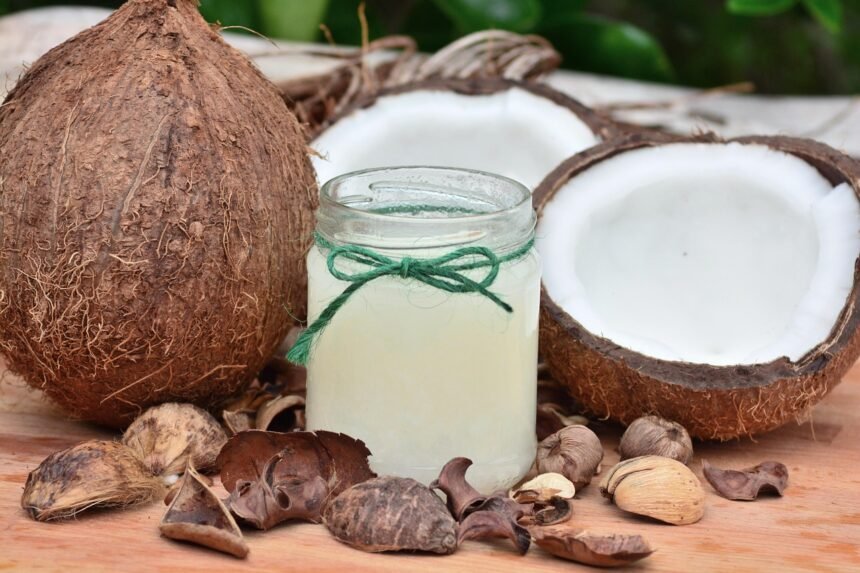
If you have ever explored the world of clean eating, you have likely come across coconut aminos. This dark, salty, and slightly sweet sauce has become a staple for those following a paleo diet or looking for a soy-free soy sauce alternative.
However, what happens when you run out mid-recipe? Or perhaps you find the price tag a bit steep for your weekly budget? Finding a best coconut aminos substitute does not have to be a daunting task.
Whether you are avoiding soy, reducing your sodium intake, or simply out of stock, there are several savory condiment alternatives that can mimic that unique umami profile. In this guide, we will explore the top options to keep your meals delicious and healthy.
Why Do People Use Coconut Aminos?
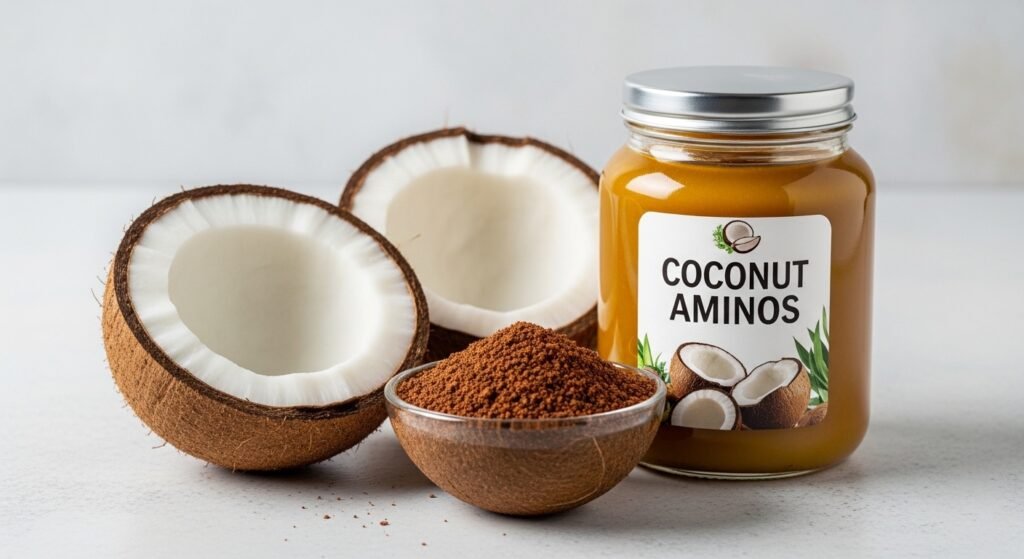
Coconut aminos is made from the sap of coconut blossoms and blended with sea salt. It contains significantly less sodium than traditional soy sauce and is naturally gluten-free and soy-free.
Many people use it to support gut health or to adhere to strict dietary protocols. It is a favourite in the Paleo community because it avoids the anti-nutrients often found in legumes like soy.
Quick Comparison Table: Coconut Aminos Alternatives
| Substitute | Flavour Profile | Best For | Dietary Info |
|---|---|---|---|
| Soy Sauce | Salty, Savoury | General Cooking | Contains Soy/Gluten |
| Tamari | Rich, Umami | Dips, Marinades | Gluten-Free, Contains Soy |
| Liquid Aminos | Very Salty | Stir-fries | Contains Soy |
| Fish Sauce | Pungent, Salty | Thai/Vietnamese | Soy-Free, Contains Fish |
| Balsamic Glaze | Sweet, Tart | Salads, Glazes | Soy-Free, High Sugar |
1. Soy Sauce: The Classic Comparison
When looking at coconut aminos vs soy sauce, the most obvious difference is the source ingredient. Soy sauce is fermented from soybeans and wheat, making it unsuitable for those with a soy allergy or wheat intolerance.
If you do not have dietary restrictions, soy sauce is the most accessible what can I use instead of coconut aminos option. It provides a deeper saltiness but lacks the natural sweetness found in coconut-based products.
To mimic coconut aminos more closely, you can mix soy sauce with a tiny pinch of brown sugar. This helps replicate the mild sweetness that characterizes the coconut secret substitute brands.
2. Tamari: The Gluten-Free Heavyweight
If you need a gluten-free soy sauce replacement but can tolerate soy, tamari is your best bet. According to the Celiac Disease Foundation, tamari is traditionally made without wheat, making it safer for those with gluten sensitivities.
In the debate of tamari vs coconut aminos, tamari is much richer and darker. It has a high concentration of umami flavours that can elevate a dish quickly.
Use about half the amount of tamari as you would coconut aminos. Because tamari is more concentrated, it can easily overpower the delicate notes of your meal if not used sparingly.
3. Liquid Aminos: The Potent Alternative
When comparing liquid aminos vs coconut aminos, it is important to note that most liquid aminos (like Bragg) are made from soybeans. They are unfermented and contain a variety of essential amino acids.
Liquid aminos are much saltier than coconut aminos. If you are watching your sodium intake, you should use this substitute with caution.
According to data from the USDA FoodData Central, the sodium content in liquid aminos is significantly higher than in coconut-based products. Diluting it with a little water can help balance the intensity.
4. Fish Sauce: For Deep Umami
Fish sauce is an excellent soy-free seasoning option if you are not vegan. It is made from salted, fermented fish and has a very strong aroma that mellows during cooking.
It provides an incredible depth of flavour that matches the complexity of coconut aminos. However, it lacks the sugar content, so you might want to add a drop of honey or maple syrup to your recipe.
The World Health Organization notes that fermented foods can be part of a healthy diet, though sodium levels in fish sauce are often quite high. Use it drops at a time until you reach the desired taste.
5. Balsamic Vinegar or Glaze
If you are looking for a coconut aminos alternative for keto that provides sweetness and acidity, balsamic vinegar is a surprise contender. It has a similar dark colour and a complex, syrupy consistency when reduced.
Balsamic vinegar offers several health benefits, including anti-oxidants that support heart health. It is particularly effective in salad dressings and marinades.
To use it as a paleo soy sauce substitute, mix it with a bit of salt and a dash of water. This cuts the acidity and brings it closer to the savoury profile of coconut aminos.
6. Miso Paste: The Fermented Favourite
Miso is a fermented soybean paste that offers a thick, salty, and earthy profile. While it is a paste rather than a liquid, it can be whisked into water to create a healthy soy sauce substitute.
There are many reasons why miso is healthy, primarily its high concentration of probiotics and beneficial bacteria. This makes it a great choice for those focused on metabolic health.
Choose a light or white miso for a milder flavour that won’t overwhelm your dish. Red miso is much stronger and better suited for heavy stews or braised meats.
7. Maggi Seasoning
Maggi is a popular global condiment often used as a savory condiment alternative. It is made from fermented wheat protein and has a flavour profile often described as “soy sauce on steroids.”
Be aware that Maggi often contains MSG and gluten. If you are following a gluten-free diet, you must check the label carefully as formulations vary by country.
It is incredibly potent, so use it very sparingly. A few drops are usually enough to replace a tablespoon of coconut aminos in most Asian-inspired dishes.
8. Worcestershire Sauce
Worcestershire sauce is a fermented condiment that includes vinegar, molasses, and anchovies. It is a fantastic soy-free soy sauce alternative for those who want a bit of a spicy, tangy kick.
While it is not exactly like coconut aminos, it provides the salt and depth required for meat dishes. Experts at the Cleveland Clinic often suggest checking labels for added sugars if you are on a restricted diet.
Ensure you find a brand that is gluten-free if necessary, as some versions use barley malt vinegar. It is perfect for beef-based recipes and hearty vegetable soups.
9. Anchovies or Anchovy Paste
If you need a low sodium soy sauce alternative that focuses purely on umami, look no further than the humble anchovy. Mashing a single anchovy into a sauce provides a salty richness that mimics fermentation.
The American Heart Association highlights the benefits of oily fish for cardiovascular health. Anchovies are packed with Omega-3 fatty acids, making them a nutritious addition to your pantry.
This is a particularly good trick for Mediterranean-style cooking where you want the depth of coconut aminos without the specific coconut-sweetness.
10. Mushroom Broth or Gravy
Mushrooms are one of the best sources of natural glutamate. A concentrated mushroom broth can serve as a wonderful umami flavor substitute for those who are vegan and soy-free.
You can make your own by simmering dried shiitake mushrooms in a small amount of water. This creates a dark, savoury liquid that is very low in calories and salt.
This is an excellent option for those on a low carb diet because it adds flavour without adding significant carbohydrates or sugars.
Dietary Considerations and Health Benefits
When selecting your best coconut aminos substitute, it is vital to consider your specific health goals. For many, the transition to healthy soy sauce substitutes is about managing inflammation or allergies.
The National Institutes of Health suggests that reducing processed soy can be beneficial for some individuals with hormonal sensitivities. Coconut aminos fits this requirement perfectly, but so do mushroom-based or fish-based alternatives.
Furthermore, managing salt intake is crucial for blood pressure. The Mayo Clinic advises that most adults should limit sodium to less than 2,300 mg per day. Always check the labels on your substitutes to ensure they fit within these guidelines.
The Role of Umami in Substitutes
Umami is known as the fifth taste. It provides a sense of “meatiness” or fullness to food. Most savory condiment alternatives rely on this to satisfy the palate.
According to the Harvard T.H. Chan School of Public Health, umami-rich foods can help increase satiety, potentially helping with weight management by making simple meals feel more satisfying.
DIY Coconut Aminos Substitute Recipe
If you cannot find any of the above, you can make a quick version at home. This soy-free seasoning option works in a pinch for most stir-fries.
- 1 cup beef or vegetable broth (low sodium)
- 1 teaspoon balsamic vinegar
- 1/2 teaspoon molasses or dark honey
- A pinch of garlic powder and ginger
Boil the mixture until it reduces by half. This creates a thick, dark sauce that mimics the texture and flavour profile of coconut secret substitute products perfectly.
Frequently Asked Questions (FAQ)
Can I use Worcestershire sauce as a 1:1 substitute?
No, Worcestershire sauce is much more acidic and spiced. Use about half the amount and taste as you go. It works best in savoury stews rather than as a dipping sauce.
Is coconut aminos better than soy sauce?
It depends on your goals. For ketogenic diet followers, coconut aminos is often preferred for being soy-free, though soy sauce is usually lower in carbs. For those with soy allergies, coconut aminos is definitely better.
What is the most similar tasting substitute?
Tamari mixed with a tiny bit of honey or sugar is the closest match in terms of flavour profile and consistency. If you need soy-free, a mix of beef broth and balsamic vinegar is your best bet.
Are liquid aminos gluten-free?
Most liquid aminos vs coconut aminos comparisons show that liquid aminos are usually gluten-free, but always check the label as cross-contamination can occur during manufacturing, as noted by the FDA.
Can I use fish sauce for everything?
Fish sauce is very pungent. It is great for cooking, but it is not a good direct substitute for dipping sushi or topping a cold salad unless you enjoy very strong fishy flavours.
The Bottom Line
Finding a best coconut aminos substitute is entirely possible regardless of your dietary needs. Whether you choose the richness of tamari, the punch of fish sauce, or a homemade broth reduction, your cooking does not have to suffer.
Always remember to balance the salt and sweetness. Most healthy condiments can be adjusted with a little water or a natural sweetener to match the exact profile you need.
Consulting with experts from the Academy of Nutrition and Dietetics or the British Nutrition Foundation can provide further insight into how these swaps affect your overall nutritional intake.
Whether you are cooking for a gluten-free lifestyle or just experimenting in the kitchen, these alternatives ensure you never have to skip a meal because of a missing ingredient. High-quality cooking is all about flexibility and flavour.
For more detailed information on nutrition, you can also explore resources from Johns Hopkins Medicine regarding dietary restrictions and health-conscious cooking techniques.