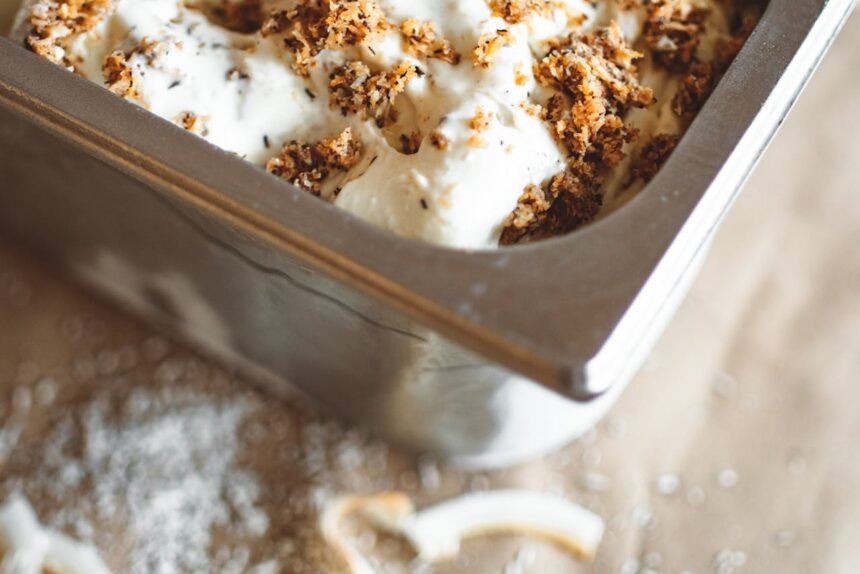
Toasted coconut flakes are far more than just a simple pantry staple. They are a versatile, nutrient-dense ingredient that can transform the flavour profile of both sweet and savoury dishes.
While raw coconut has a mild, milky taste, the process of toasting creates a deep, nutty aroma and a satisfying crunch. This transformation is popular among home cooks and professional chefs alike.
Whether you are looking for low carb coconut snacks or a way to elevate your morning porridge, understanding how to use homemade toasted coconut is a game-changer for your kitchen repertoire.
In this guide, we will explore the toasted coconut nutrition profile, various methods for achieving the perfect golden hue, and how this ingredient fits into modern dietary patterns.
Quick Reference: Nutritional Highlights
| Nutrient (per 28g serving) | Approximate Value | Key Benefit |
|---|---|---|
| Calories | 185 kcal | Sustained energy |
| Fibre | 5g | Supports digestion |
| Healthy Fats | 18g | Essential for hormone health |
| Manganese | 60% DV | Bone and metabolic health |
| Carbohydrates | 7g | Low-glycemic energy source |
To understand the full impact of this ingredient, it is important to look at its foundation: the coconut itself. According to Britannica, the coconut palm is one of the most useful plants in the world.
The Nutritional Profile of Toasted Coconut
When you consume unsweetened toasted coconut flakes, you are fueling your body with a dense source of minerals and healthy fats. Unlike many processed snacks, coconut contains medium-chain triglycerides (MCTs).
MCTs are a unique type of fatty acid that the body metabolises differently than long-chain fats. Research suggests that MCT oil found in coconut can be used as an immediate energy source by the liver.
Coconut is also an exceptional source of manganese. This mineral is vital for bone health and the metabolism of carbohydrates and cholesterol.
Additionally, the high fibre content in toasted coconut helps promote satiety. This can be particularly beneficial for those focusing on weight loss goals.
Data from the USDA FoodData Central confirms that coconut flakes are a rich source of copper and iron, which support red blood cell formation and immune function.
The Science of Toasting: Flavour and Texture
Toasting coconut involves the Maillard reaction. This chemical reaction between amino acids and reducing sugars gives browned food its distinctive flavour.
The crunchiness of toasted coconut is what makes it such a desirable toasted coconut for garnish. As moisture evaporates during heating, the natural oils within the coconut flesh become more pronounced.
This process also enhances the natural sweetness of the fruit without the need for added refined sugars. This makes it an ideal component for a toasted coconut cereal or a yogurt topping.
According to America’s Test Kitchen, even a few minutes of heat can significantly alter the aromatic compounds of shredded coconut, making it taste richer and more complex.
Toasted Coconut Flakes Recipe: Three Proven Methods
Learning how to toast coconut chips or flakes is surprisingly simple, yet it requires constant attention to prevent burning. Coconut can go from golden to charred in mere seconds.
Method 1: The Oven Method
- Preheat your oven to 160°C (325°F).
- Spread the flakes in a single layer on a large baking sheet lined with parchment paper.
- Bake for 5 to 10 minutes, stirring every 2 minutes to ensure even browning.
- Remove from the oven as soon as the flakes are fragrant and golden.
This is generally considered the best way to prepare organic toasted coconut flakes in bulk. It provides the most consistent colour across large quantities.
Method 2: The Stovetop Method
For smaller batches, the stovetop is often more convenient. Place the flakes in a large, dry frying pan over medium-low heat.
Stir constantly with a heat-resistant spatula. You will notice the edges begin to brown first; keep moving them until the entire batch is toasted.
This method allows for precise control, which is essential when preparing paleo coconut flakes for a sensitive recipe.
Method 3: The Air Fryer Method
The air fryer is a modern shortcut for achieving a great crunch. Set the temperature to 150°C and cook for 3 to 5 minutes.
Because the air fryer uses high-velocity fans, it is wise to place a small mesh rack over the flakes to prevent them from blowing into the heating element.
Dietary Compatibility: Keto, Paleo, and Beyond
One of the reasons toasted shredded coconut keto options are so popular is their low net carb count. For those following a keto diet, coconut is a staple ingredient.
Because coconut is naturally gluten-free and grain-free, it fits perfectly into an anti-inflammatory or Paleo lifestyle. It provides the texture of grains without the metabolic spike.
For individuals managing diabetes, the combination of healthy fats and fibre in coconut can help stabilise blood sugar levels when consumed in moderation.
Furthermore, coconut is rich in antioxidants like phenolic compounds. These help protect cells from oxidative stress and may improve heart health by reducing LDL cholesterol oxidation.
The Harvard Nutrition Source notes that while coconut is high in saturated fat, its plant-based origin and mineral content offer a different nutritional profile than animal-based fats.
Innovative Toasted Coconut Topping Ideas
Once you have mastered the toasted coconut flakes recipe, the culinary possibilities are endless. Here are some creative ways to use them:
- Savoury Salads: Sprinkle toasted flakes over a Thai-inspired beef salad for added texture.
- Coconut Bacon: Toss large flakes with liquid smoke, tamari, and maple syrup, then toast for a vegan bacon alternative.
- Crusts and Breads: Use finely shredded toasted coconut as a breading for prawns or chicken to add a tropical flair.
- Dessert Garnish: Elevate a simple dark chocolate mousse with a handful of golden flakes.
The crunchiness of toasted coconut also makes it a fantastic addition to homemade granola. It pairs beautifully with nuts like macadamias or almonds.
According to the Culinary Arts College, balancing the richness of coconut with acidic elements like lime or ginger creates a professional-grade flavour profile.
Coconut Flakes vs Chips: Which Should You Choose?
When shopping for store-bought toasted coconut, you will likely encounter different sizes and shapes. Choosing the right one depends on your intended use.
Shredded Coconut
This is the most common form, often used in baking. It is thin and small, making it ideal for incorporating into cookie dough or cake batter.
Coconut Flakes
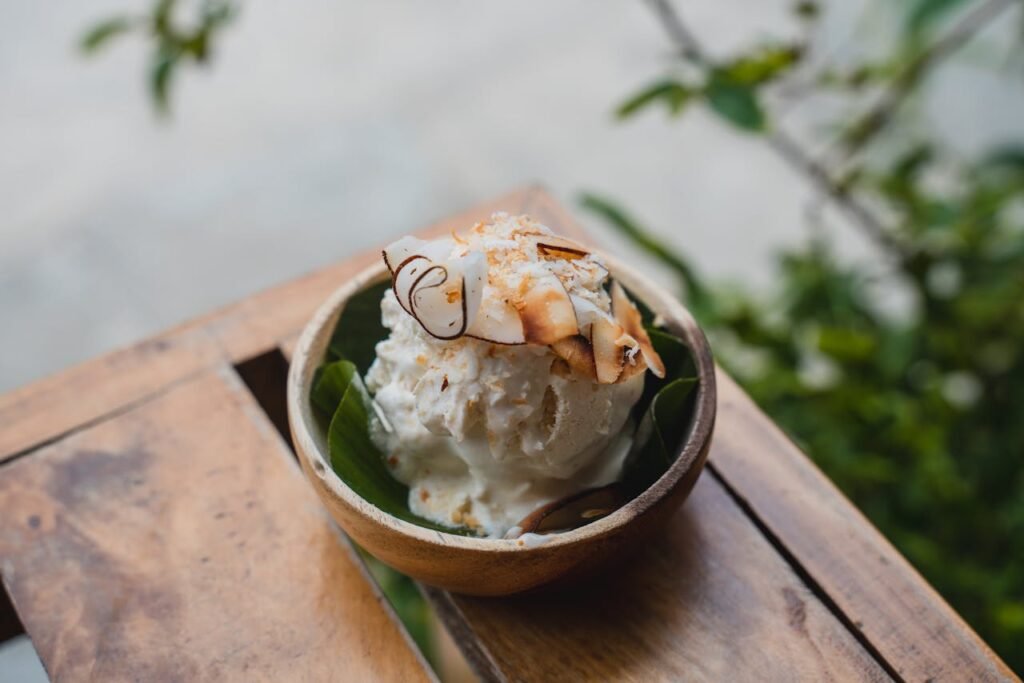
Flakes are larger and flatter than shredded coconut. They provide a more significant visual impact and are perfect for toasted coconut for garnish on cupcakes or smoothie bowls.
Coconut Chips
Chips are large, thick slices of the coconut meat. These are best for low carb coconut snacks because they are sturdy enough to be eaten by the handful.
Regardless of the size, ensure you check the label for added sugars. Unsweetened toasted coconut flakes are generally the healthier choice for daily consumption.
Storing and Preserving Freshness
Proper storage is vital to maintain the quality of your coconut. Toasted flakes can go rancid if exposed to heat, light, or moisture for too long.
Store your flakes in an airtight glass jar in a cool, dark place. They will typically stay fresh for up to four weeks at room temperature.
For longer storage, you can keep them in the refrigerator or freezer. This prevents the natural oils from spoiling and preserves the crisp texture.
The FoodSafety.gov guidelines suggest that high-fat plant products should always be sealed tightly to prevent the absorption of other food odours.
Health Benefits and Considerations
The benefits of including coconut in your diet extend to digestion. The insoluble fibre in coconut adds bulk to the stool and helps food move through the digestive tract smoothly.
Studies published in the European Journal of Clinical Nutrition have explored how coconut fats might influence metabolic rates, though results vary based on overall diet.
However, it is important to remember that coconut is calorie-dense. While it supports heart health when replacing refined carbohydrates, it should be consumed as part of a balanced diet.
The Mayo Clinic advises that moderation is key with all plant-based fats to ensure you are meeting your daily caloric needs without exceeding them.
FAQs About Toasted Coconut Flakes
Are toasted coconut flakes healthy?
Yes, they are rich in fibre, manganese, and healthy fats. They are especially beneficial for those on keto or paleo diets, provided they are unsweetened.
Can I toast sweetened coconut?
You can, but sweetened coconut browns much faster due to the added sugar. It requires a lower temperature and very frequent stirring to avoid burning.
Why did my coconut flakes turn bitter?
Bitterness is usually a sign that the coconut has been over-toasted or burned. It can also occur if the raw coconut was already rancid before toasting.
How do I make my coconut extra crunchy?
Ensure the flakes are in a single layer and let them cool completely on the baking sheet after toasting. They will crisp up further as they reach room temperature.
Is toasted coconut better than raw coconut?
Nutritionally, they are very similar, though toasting may slightly reduce some heat-sensitive vitamins. However, the flavour and texture of toasted coconut are often preferred for culinary use.
The Bottom Line
Toasted coconut flakes are a nutritional powerhouse that can elevate almost any meal. From their high fibre content to their rich mineral profile, they offer significant health advantages.
Whether you prefer homemade toasted coconut or the convenience of store-bought toasted coconut, this ingredient is a must-have for a healthy kitchen.
By mastering the simple techniques of toasting, you can enjoy the crunchiness of toasted coconut in everything from your morning porridge to your evening stir-fry.
Always opt for organic toasted coconut flakes when possible to avoid pesticides, and remember to store them correctly to keep that fresh, nutty flavour alive.
For more information on improving your diet with whole foods, consult the Academy of Nutrition and Dietetics or explore further resources at the World Coconut Foundation and ScienceDirect.