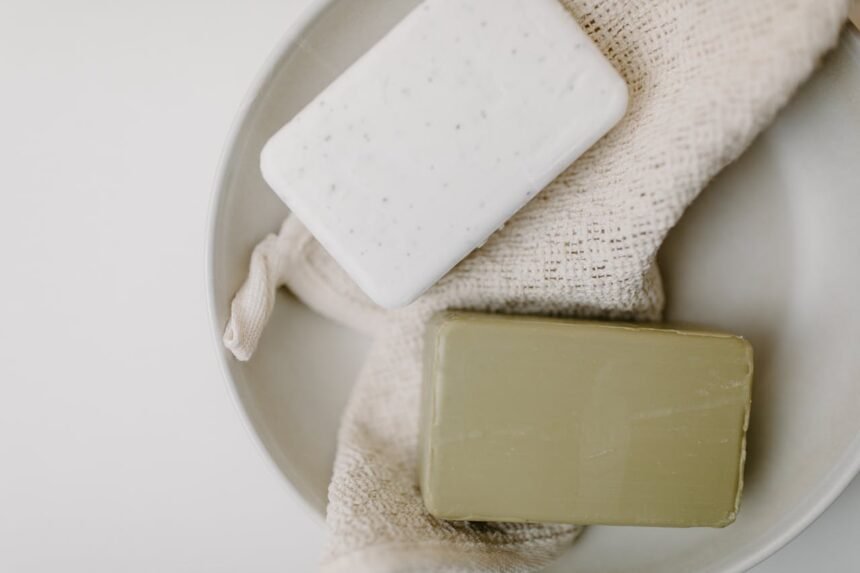
Finding the right cleanser for your skin can often feel like a never-ending journey. If you have struggled with traditional soaps that leave your skin feeling tight and dry, you might want to consider a more traditional, nourishing alternative.
Coconut cream soap is emerging as a staple in natural skincare routines across the globe. It offers a unique combination of deep cleansing and intensive moisture that few other products can match.
This article explores why this specific type of soap is becoming a favourite for those with sensitive skin. We will dive into the science behind the ingredients and how it can transform your daily moisturising coconut soap for dry skin routine.
What Exactly is Coconut Cream Soap?
At its core, coconut cream soap is a cleansing bar made by incorporating thick coconut cream into the saponification process. Unlike standard bars that use only water and oils, this soap utilises the full fatty profile of the coconut fruit.
Coconut cream is a thick, lipid-rich liquid extracted from the grated flesh of mature coconuts. It differs significantly from coconut milk, which has a much higher water content and lower fat concentration.
When used in artisanal coconut soap making, the high fat content of the cream survives the chemical reaction. This results in a bar that is exceptionally gentle and rich in natural glycerine.
The Difference Between Coconut Milk and Coconut Cream Soap
Many consumers confuse these two products, but the results on the skin are quite different. Coconut milk vs coconut cream soap boils down to the percentage of fats and proteins present in the final bar.
Coconut cream contains significantly more medium-chain triglycerides. This leads to a more creamy lather soap that feels almost like a lotion when applied to the skin.
| Feature | Traditional Soap | Coconut Cream Soap |
|---|---|---|
| Primary Cleanser | Synthetic Surfactants | Saponified Plant Fats |
| Lather Texture | Large, Airy Bubbles | Dense, Creamy Micro-bubbles |
| Skin Feel | Often Tight or Dry | Soft and Conditioned |
| Fat Content | Low to Moderate | Very High |
The Impressive Fatty Acid Profile of Coconut Cream
To understand why these bars are so effective, we must look at the fatty acid profile of coconut cream. It is primarily composed of lauric acid, myristic acid, and palmitic acid.
Lauric acid is particularly noteworthy because it possesses powerful properties. Research suggests that lauric acid can help combat various types of bacteria on the skin surface.
Furthermore, these fats are easily absorbed by the epidermis. This makes it an excellent choice for those looking for coconut oil benefits in a rinse-off format.
Natural Vitamins and Minerals
Beyond fats, coconut cream is a powerhouse of micronutrients. It contains high levels of Vitamin E, which is a known antioxidant that helps protect cells from oxidative stress.
It also contains Vitamin C and several B vitamins. These nutrients work together to support the skin’s natural healing processes and maintain its elastic structure.
When you use vegan coconut cream bars, you are essentially feeding your skin these vital nutrients every time you wash. This helps to maintain a healthy skin appearance over time.
The Core Benefits of Organic Coconut Cream Soap
Using organic coconut cream soap benefits the skin in several distinct ways. It is not just about cleaning; it is about restoring the skin’s natural equilibrium.
1. Deep and Lasting Hydration
The most immediate benefit is the intense hydration. Most soaps strip away the skin’s natural oils, but coconut cream soap actually adds lipids back into the surface.
This is vital for individuals suffering from dry skin. By reinforcing the lipid barrier, the soap helps to prevent transepidermal water loss throughout the day.
Studies on lauric acid have shown its ability to penetrate the skin’s layers effectively. This ensures that the moisture isn’t just sitting on top but is truly integrated.
2. Gentle Cleansing Action
Many modern cleansers rely on natural surfactant alternatives that can still be quite harsh. Coconut cream soap, however, uses the natural saponification of fats to create a gentle cleaning action.
It removes dirt, excess sebum, and environmental pollutants without disrupting the delicate pH balance of your skin. This makes it suitable for both the face and the body.
This gentle nature is why it is often recommended for those with sensitive conditions. A fragrance-free coconut cream soap is particularly effective for those prone to allergies.
3. Supporting the Skin Barrier
Your skin barrier is your first line of defence against the environment. If this barrier is damaged, you may experience redness, itching, and irritation.
The lipids in coconut cream help to “patch” any gaps in this barrier. This is why many find coconut cream soap for eczema to be a life-changing addition to their routine.
It provides a soothing layer that calms inflammation while the skin heals. Many eczema patients prefer these natural bars over medicated washes.
The Science of Saponified Coconut Oil Benefits
The term “saponified” refers to the chemical process of turning fats into soap. When coconut oil and cream are combined with an alkali, they create saponified coconut oil benefits that are unique to this plant.
During saponification, the triglycerides are broken down into soap molecules and glycerine. Glycerine is a powerful humectant that draws moisture from the air into your skin.
In cold process coconut cream soap, the glycerine is left in the bar. This is a contrast to commercial soaps where the glycerine is often removed to be sold in expensive lotions.
Creating a Luxurious Lather
One of the joys of using luxurious bath bars made with coconut cream is the lather. It is not like the bubbly, thin foam of a standard detergent bar.
Instead, it produces a thick, dense, and velvety foam. This lather allows for a closer shave and a more sensory experience in the shower.
The proteins in the cream also contribute to this texture. They help to stabilise the bubbles, making the washing experience feel much more indulgent.
Is it Suitable for All Skin Types?
While coconut cream soap is a superstar for dry skin, its versatility extends to other types as well. Many people with oily skin find that it helps to regulate their natural oil production.
When you strip oily skin with harsh chemicals, it often overcompensates by producing even more oil. Using a gentle bar can break this cycle of overproduction.
For those with sensitive skin, these bars are often a safer bet. They usually contain fewer synthetic preservatives and artificial colours.
Managing Psoriasis and Dermatitis
Patients dealing with psoriasis often struggle with thick, scaly patches of skin. The high fat content of coconut cream can help soften these areas.
By softening the scales, the soap allows for better absorption of topical medications. It also reduces the itching sensation associated with atopic dermatitis.
Regular use can lead to a significant reduction in flare-ups. This is why many sensitive skin soap recipes prioritise coconut cream as a base ingredient.
Choosing the Best Handmade Coconut Cream Soap
Not all coconut soaps are created equal. When shopping for handmade coconut cream soap, you should look for specific indicators of quality.
- Check the Ingredients: The first few ingredients should be saponified oils, not synthetic detergents like SLS.
- Look for “Superfatting”: This means extra oils were added that didn’t turn into soap, providing extra moisture.
- Avoid Artificial Fragrance: Opt for essential oils or unscented versions if you have reactive skin.
- Check the Colour: Real coconut cream soap is usually off-white or light tan, not bright white.
You can often find high-quality options by looking at the EWG Skin Deep database. This helps you identify products that are free from harmful toxins.
Many natural skin care enthusiasts prefer small-batch soaps. These are often made with more care and higher-quality ingredients than mass-produced versions.
The Environmental Impact of Your Soap
Choosing coconut-based products can also be better for the planet. Coconuts are a highly sustainable crop compared to palm oil, which is linked to deforestation.
Most vegan coconut cream bars are biodegradable and do not release harmful microplastics into the water system. This makes them an excellent choice for the eco-conscious consumer.
Proper hygiene does not have to come at the cost of the environment. By switching to natural bars, you reduce your plastic waste significantly.
Common Questions About Coconut Cream Soap
How long does a bar of coconut cream soap last?
Natural soaps tend to be softer than commercial bars. To make yours last longer, keep it on a well-draining soap dish between uses.
Can I use it on my face?
Yes, most people find it gentle enough for facial use. However, if you are prone to cystic acne, you should monitor your skin’s reaction, as coconut derivatives can be comedogenic for some.
Does it smell like coconuts?
Pure coconut cream soap has a very faint, sweet, and nutty aroma. If a bar smells strongly of tropical coconut, it likely contains added fragrances.
Is it safe for babies?
Unscented coconut cream soap is often one of the best choices for a baby’s delicate skin. Always consult a dermatologist before starting a new routine for infants.
Comparing Skin Cleansers
When selecting a product, it is helpful to look at the clinical data. Medical News Today notes that soap-free cleansers are often recommended, but superfatted natural soaps offer a similar benefit profile.
The presence of Vitamin E in coconut cream helps to repair the skin’s surface. This is a feature often missing from synthetic beauty bars.
Furthermore, the International Journal of Molecular Sciences has published studies showing that plant-based oils can significantly improve skin barrier function.
Frequently Asked Questions (FAQ)
What is the shelf life of natural coconut cream soap?
Most handmade soaps are best used within 12 months. Over time, the natural fats can go rancid if not stored in a cool, dry place.
Will coconut cream soap clog my pores?
While coconut oil is comedogenic, the saponification process changes its structure. Most users find that the rinse-off nature of soap prevents pore-clogging issues.
Does it contain lye?
All real soap is made with lye (sodium hydroxide). However, after the curing process, no lye remains in the final bar of soap.
Can I use it as a shampoo bar?
Many people use coconut cream soap for their hair. It provides a rich cleanse, though you may need an acidic rinse (like diluted apple cider vinegar) to balance the pH of your scalp.
Is it better than goat milk soap?
Both are excellent for dry skin. Coconut cream soap is the preferred alternative for those following a vegan lifestyle or those with dairy allergies.
The Bottom Line
Coconut cream soap is more than just a trend; it is a return to effective, nature-based skincare. By combining the cleansing power of saponified coconut oil benefits with the intense moisture of coconut fats, it offers a superior washing experience.
Whether you are dealing with a chronic condition like eczema or simply want a more luxurious daily routine, these bars are worth a try.
Remember to look for organic coconut cream soap benefits by choosing high-quality, artisanal products. Your skin will thank you for the extra nourishment and the gentle touch of this tropical powerhouse.
For more information on maintaining a healthy glow, consult a skin pharmacology specialist or visit the Healthline skin health hub.