When you imagine the ultimate angling adventure, your mind might wander to the rugged landscapes of the North. However, few places offer the raw, untouched beauty of salmon fishing Greenland. This is not just a hobby; it is a profound immersion into the Greenlandic wilderness, where the air is crisp, the water is crystal clear, and the fish are famously hard-fighting.
In this guide, we explore why Greenland has become a bucket-list destination for anglers worldwide, the health benefits of such an expedition, and how to prepare for the trip of a lifetime. Whether you are chasing the elusive wild Atlantic salmon or the vibrant Arctic char, Greenland offers a sustainable fishing experience unlike any other.
The Unique Appeal of Greenlandic Waters
Greenland holds a special place in the world of marine biology. It is famously home to the Kapisillit river, the only known river in the country where wild Atlantic salmon are known to spawn naturally. For most anglers, however, the draw is the abundance of sea-run fish that thrive in the pristine waters surrounding the world’s largest island.
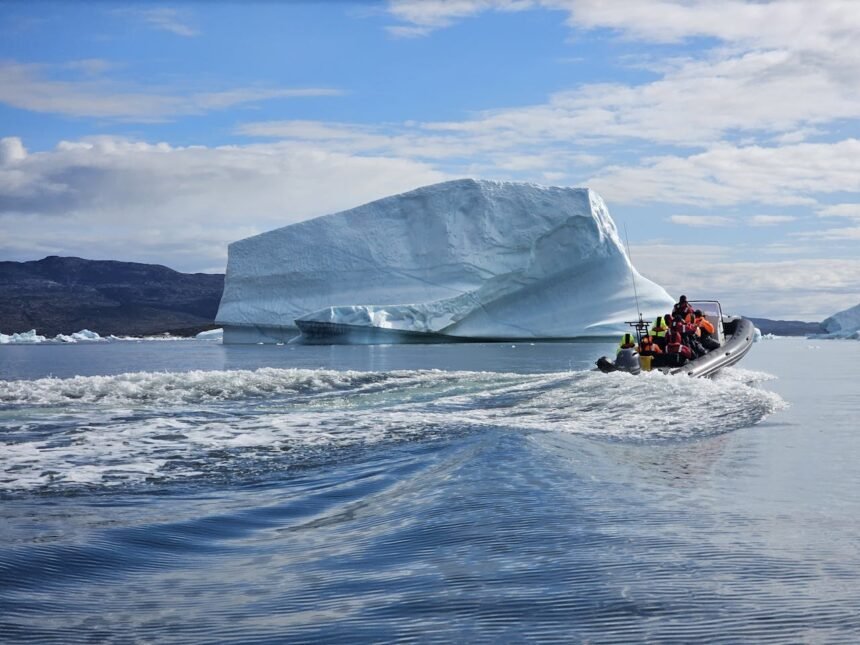
The experience of salmon fishing Greenland is defined by its remote locations. Often, you will find yourself kilometres away from the nearest settlement, surrounded by glacial rivers and towering icebergs. This isolation provides a unique form of outdoor wellness, allowing for a total mental reset away from the noise of modern life.
According to research published in Nature, spending time in high-latitude ecosystems can significantly impact our understanding of global biodiversity. Furthermore, the NHS highlights that vigorous outdoor activities, such as trekking to remote fishing spots, are excellent for cardiovascular health.
Health Benefits of an Arctic Angling Expedition
While the thrill of the catch is the primary motivator, the secondary benefits to your physical and mental well-being are substantial. Engaging in fly fishing requires focus, patience, and repetitive motion that can be meditative.
- Mental Clarity: The “blue space” effect of being near water is well-documented by the World Health Organization as a tool for reducing anxiety.
- Physical Endurance: Navigating the rocky terrain of Greenlandic fjords provides a full-body workout.
- Vitamin D: Even in the Arctic, the summer sun provides essential nutrients, though skin protection remains vital as advised by the Mayo Clinic.
Planning Your Trip: The Angling Season
Timing is everything when planning your journey. The angling season in Greenland is relatively short but incredibly productive. Most enthusiasts visit between July and September, when the rivers are flowing freely and the fish are most active.
During this window, you can expect to see silver-bright fish entering the river systems. It is also the best time to utilise local guides who understand the shifting tides and weather patterns of the Arctic. Before travelling, it is wise to check current travel advice on GOV.UK to ensure all permits are in order.
Comparing Greenland’s Primary Targets
While salmon is the headline act, the Arctic char is the most abundant species you will encounter. Here is how they compare:
| Feature | Wild Atlantic Salmon | Arctic Char |
|---|---|---|
| Spawning Location | Primarily Kapisillit River | Widespread in glacial rivers |
| Average Weight | 3kg – 10kg | 1kg – 4kg |
| Fighting Style | High-energy leaps | Deep, powerful pulls |
| Best Method | Fly fishing / Spinning | Fly fishing / Light lures |
Sustainable Practices and Conservation
Greenland takes environmental stewardship seriously. To protect the wild Atlantic salmon populations, strict quotas and catch and release practices are often encouraged or mandated. Organizations like the World Wildlife Fund (WWF) emphasize the importance of protecting these habitats from the impacts of climate change.
By choosing sustainable fishing tours, you contribute to the local economy and the ongoing conservation efforts managed by the North Atlantic Salmon Fund. This ensures that the pristine waters remain healthy for generations to come. Scientists at NOAA Fisheries monitor these migratory patterns closely to understand the health of the North Atlantic ecosystem.
Essential Gear for the Greenlandic Wilderness
Packing for salmon fishing Greenland requires a balance of performance and protection. The weather can change in an instant, shifting from bright sunshine to biting winds. The Met Office provides excellent resources on understanding Arctic climate patterns which can help you prepare.
- Layered Clothing: Utilise moisture-wicking base layers and a high-quality waterproof shell.
- Polarised Sunglasses: Essential for spotting fish in the glacial rivers and protecting eyes from glare.
- Sturdy Waders: The water is cold; high-quality neoprene or breathable waders with felt boots are recommended.
- Tackle: A 7-weight or 8-weight fly rod is ideal for the power of a sea-run salmon.
For more detailed gear reviews, publications like National Geographic often feature expeditions that highlight the durability required for Arctic travel.
The Cultural Experience
Fishing in Greenland is more than a sport; it is a gateway to the Inuit culture. Many local guides are descendants of hunters and fishers who have lived off these lands for centuries. Learning about their relationship with the sea and the land adds a layer of depth to your trip that you won’t find in more commercialised destinations.
According to Visit Greenland, the official tourism board, engaging with local communities is the best way to experience the “authentic” Arctic. You might even learn traditional ways to prepare your catch, provided it falls within the local consumption regulations.
Preparation and Safety
Safety is paramount in remote locations. Always inform someone of your itinerary and carry a satellite communication device. Health preparations should include a consultation with a specialist, such as those at The Travel Doctor, to ensure you are fit for the physical demands of the Arctic.
The United Nations Environment Programme notes that remote areas are particularly sensitive to human presence, so “leave no trace” principles are vital. Furthermore, research on ScienceDirect suggests that even small changes in local water temperature can affect fish behaviour, so being adaptable is key.
Finally, always consult the Salmon & Trout Conservation guidelines to ensure your angling techniques are ethical and minimise stress on the fish.
Frequently Asked Questions (FAQs)
Do I need a special permit for salmon fishing Greenland?
Yes, all non-resident anglers must purchase a national fishing licence. These are available online or at local post offices in Greenland. Some specific rivers may also require additional local permits, which your local guides can help you secure.
What is the best time of year to catch Arctic char?
The peak angling season for Arctic char is from mid-July through to the end of August. During this time, the fish migrate from the sea into the glacial rivers to spawn, making them highly accessible to fly fishers.
Is Greenland suitable for beginner anglers?
While the conditions can be harsh, the sheer volume of fish makes it an exciting place for beginners. However, it is highly recommended to hire local guides to ensure safety and to learn the specific techniques required for the Greenlandic wilderness.
How do I get to the best fishing spots?
Most remote locations are reached via boat from major hubs like Nuuk or Sisimiut. Some of the most prestigious camps require a helicopter transfer, offering a spectacular view of the ice sheet and pristine waters below.
What is the “Catch and Release” policy in Greenland?
While Greenland allows for the harvest of fish for food, many sport fishing lodges promote a strict catch and release policy for wild Atlantic salmon to help preserve the fragile population in the Kapisillit river.