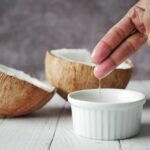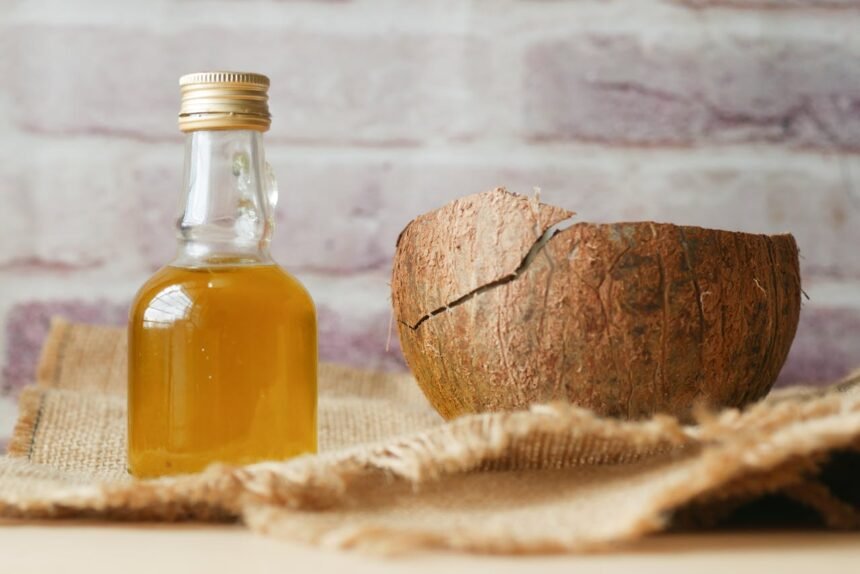
For centuries, coconut oil hair treatments have been a cornerstone of beauty rituals in tropical regions. This natural wonder is more than just a kitchen staple; it is a powerhouse of nutrients that can transform your hair’s health and appearance.
Many people wonder, is coconut oil good for your hair? The short answer is a resounding yes, but the science behind it is even more fascinating. Unlike many commercial products that simply sit on the surface, coconut oil has a unique molecular structure that allows it to penetrate deep into the hair shaft.
This deep penetration provides long-lasting moisture and protection that few other oils can match. In this comprehensive guide, we will explore the evidence-based benefits of coconut oil for hair, how to use it correctly, and why it might be the missing piece in your hair care routine.
Whether you are dealing with dryness, breakage, or a lack of shine, understanding how to use organic coconut oil for hair can help you achieve the luscious locks you have always wanted.
| Feature | Coconut Oil | Argan Oil | Olive Oil |
|---|---|---|---|
| Main Component | Lauric Acid | Oleic/Linoleic Acid | Oleic Acid |
| Penetration Level | Very High | Medium | Low (Surface coating) |
| Best For | Protein Loss Prevention | Shine and Frizz | Thick/Coarse Texture |
| Usage Timing | Pre or Post Wash | Post Wash/Styling | Pre-Wash Mask |
The Science Behind Coconut Oil and Hair
To understand why coconut oil hair treatments work so effectively, we have to look at the chemistry of the oil. The most important factor is lauric acid for hair health. Lauric acid is a medium-chain fatty acid that makes up about 50% of coconut oil.
Because of its low molecular weight and straight linear chain, lauric acid can bypass the hair’s cuticle. A landmark study on protein loss published in the Journal of Cosmetic Science compared coconut oil to mineral and sunflower oils.
The researchers found that coconut oil was the only oil capable of significantly reducing protein loss for both undamaged and damaged hair. This is crucial because hair is primarily made of a protein called keratin. When hair loses protein, it becomes weak, brittle, and prone to breakage.
Additionally, coconut oil is hydrophobic, meaning it repels water. This helps prevent hygral fatigue, which is the stretching and contracting of the hair shaft as it absorbs and loses water. Preventing this cycle is key to maintaining hair growth cycles and overall hair integrity.
Refined Coconut Oil vs Extra Virgin Coconut Oil
When shopping for the best coconut oil for hair, you will likely encounter two main types: refined and extra virgin. Refined coconut oil vs extra virgin coconut oil is a common debate among beauty enthusiasts.
Extra virgin coconut oil is extracted from fresh coconut meat without the use of high heat or chemicals. This process preserves the natural antioxidants and vitamin E content, making it the preferred choice for scalp health.
Refined coconut oil, on the other hand, is often deodorised and bleached. While it still contains the beneficial lauric acid, it lacks some of the protective phytonutrients found in the unrefined versions. For most people, organic coconut oil for hair that is labelled as unrefined or cold-pressed will yield the best results.
Top Benefits of Coconut Oil for Hair
1. Preventing Protein Loss
As mentioned earlier, the primary benefit of coconut oil hair care is the preservation of hair proteins. Every time you wash, comb, or heat-style your hair, you risk damaging the protein structure. Using coconut oil before washing hair creates a protective barrier that reduces the amount of water absorbed by the shaft, thereby keeping the keratin intact.
2. Soothing an Itchy Scalp
If you suffer from dryness, using coconut oil for itchy scalp can provide immediate relief. It has natural antifungal and antibacterial properties that help combat the microbes responsible for dandruff remedies and irritation. Research has shown that coconut oil can improve the skin barrier and reduce inflammation.
3. Enhancing Hair Growth
While no oil can magically make hair grow overnight, using coconut oil for hair growth works by improving the environment in which hair grows. By reducing breakage and keeping the scalp healthy, you allow your hair to reach its maximum length. You can also pair it with essential oils for hair like peppermint or rosemary to further stimulate the follicles.
4. Managing Frizz and Flyaways
Using coconut oil for frizzy hair is a common practice because the oil smooths down the hair cuticle. When the cuticle is flat, moisture from the air cannot enter the hair shaft as easily, which prevents the hair from poofing up in humid weather. A tiny amount used as a finishing oil can add significant shine and smoothness.
5. Repairing Split Ends
While the only permanent cure for split ends is a trim, using coconut oil for split ends can help mask the damage and prevent the split from travelling further up the hair shaft. It acts as a temporary sealant, holding the frayed ends together and making the hair appear much healthier.
How to Apply Coconut Oil to Hair: A Step-by-Step Guide
Knowing how to apply coconut oil to hair is essential to avoid a greasy mess. Follow these steps for the best results:
- Step 1: Liquefy the oil. Coconut oil is solid at room temperature. Take a small amount and rub it between your palms until it melts into a clear liquid.
- Step 2: Start at the ends. Your ends are the oldest and most damaged part of your hair. Apply the oil there first, then work your way up to the mid-lengths.
- Step 3: Scalp application. If you are using coconut oil for dry scalp, use your fingertips to gently massage a small amount into the skin. If you have oily hair, skip the scalp and focus only on the lengths.
- Step 4: Comb through. Use a wide-tooth comb to ensure even distribution. This prevents the oil from clumping in one spot.
- Step 5: Let it sit. For a quick treatment, leave it in for 30 minutes. For deep conditioning, try a coconut oil hair mask overnight.
- Step 6: Wash thoroughly. You may need to shampoo twice with a sulfate-free shampoo to ensure all the oil is removed.
Specific Advice for Different Hair Types
Coconut Oil for Curly Hair
The benefits of coconut oil for curly hair are numerous. Curls tend to be naturally drier because the scalp’s sebum has a harder time travelling down the spiral shape of the hair. Coconut oil provides the intense moisturisation that curls crave. It helps define the curl pattern and reduces the “crunchy” feel that some gels can leave behind.
Coconut Oil for Fine Hair
If you have fine hair, you must be careful. Because coconut oil is quite heavy, it can easily weigh down thin strands, making them look flat and greasy. In this case, it is best used as a pre-wash treatment rather than a leave-in product. Focus strictly on the very tips of the hair to avoid losing volume at the roots.
Coconut Oil for Damaged or Bleached Hair
Bleached hair is highly porous, meaning it has many gaps in the cuticle. Coconut oil fills these gaps, providing a smoother surface and much-needed structural support. It is one of the best hair masks for those who frequently use chemical treatments or high heat.
Safety and Precautions: When to Avoid Coconut Oil
Despite its many benefits, coconut oil hair treatments aren’t for everyone. Some people find that coconut oil makes their hair feel “crunchy” or stiff. This usually happens when someone has low-porosity hair that is already protein-rich. Since coconut oil prevents protein loss, it can make this type of hair feel overly firm.
Furthermore, if you are prone to using coconut oil on face and breaking out, be careful with how you apply it to your hair. It is comedogenic, meaning it can clog pores. If the oil from your hair touches your forehead or back, it may cause acne. Always wash your face and body after rinsing the oil out of your hair.
According to the British Skin Foundation, it is always wise to perform a patch test before applying any new natural oil to a large area of your scalp to check for allergic reactions.
Frequently Asked Questions
Does coconut oil cause hair loss?
There is no evidence that coconut oil and hair loss are linked in a negative way. In fact, by strengthening the hair and preventing breakage, it can make the hair appear thicker. However, if you massage too vigorously during application, you might see some hairs fall out that were already in the shedding phase of the hair growth cycle.
Can I leave coconut oil in my hair for 24 hours?
Yes, a coconut oil hair mask overnight or for a full day is generally safe. However, it can be difficult to wash out if it sits for too long. If you have a fine hair texture, leaving it in for more than a few hours might lead to build-up that requires multiple washes to remove.
Is coconut oil better than argan oil?
It depends on your goal. Coconut oil is better for deep repair and protein protection because of its ability to penetrate the hair. Treating dry hair with argan oil is often better for styling and shine because argan oil is lighter and sits on the surface to reflect light.
How often should I use coconut oil on my hair?
For most people, once a week is sufficient. If your hair is extremely dry or damaged, you might benefit from twice-weekly treatments. Overusing it can lead to a greasy appearance and may require excessive shampooing, which can strip the hair of its natural oils.
Will coconut oil fade my hair colour?
Coconut oil is generally safe for colour-treated hair. Because it reduces water absorption, it can actually help prevent the colour from leaching out during the washing process. However, some people prefer to use specialised hair care routines for vibrant dyes.
The Bottom Line
In conclusion, coconut oil hair treatments offer a scientifically backed method for improving hair strength, shine, and scalp health. Its high concentration of lauric acid makes it a unique tool in the world of natural beauty, capable of penetrating the hair in a way that most synthetic ingredients cannot.
By preventing protein loss and protecting against environmental damage, coconut oil helps maintain the integrity of your hair from the inside out. Whether you use it as a pre-wash protector, a deep-conditioning mask, or a scalp treatment for dermatitis relief, the results speak for themselves.
Remember to choose organic coconut oil for hair whenever possible and to adjust your usage based on your specific hair type. While it may not be a miracle cure for every hair woe, it is certainly one of the most versatile and effective natural products available today for moisturising your skin and hair alike.
For more information on maintaining a healthy lifestyle, you can explore the benefits of coconut oil in your diet or its role in weight management. With a little patience and the right technique, coconut oil can become the cornerstone of your healthy hair journey.