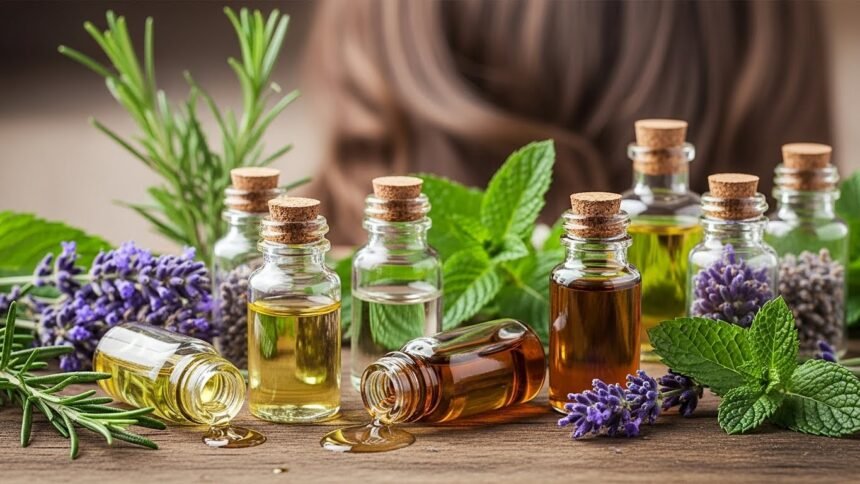
Healthy, thick hair is a common beauty goal, and many people are turning to natural remedies to support hair growth. Among the most popular options are essential oils for hair growth, which have been used for centuries in traditional wellness practices. While essential oils are not miracle cures for hair loss, some may help improve scalp health, strengthen hair, and encourage healthier growth when used consistently.
In this comprehensive review, we’ll explore the science behind essential oils for hair growth, discuss the most effective oils, explain how to use them safely, and answer frequently asked questions.
What Are Essential Oils for Hair Growth?
Essential oils are highly concentrated plant extracts obtained through steam distillation or cold pressing. They contain natural compounds that give plants their distinctive fragrance and therapeutic properties.
When diluted with a carrier oil and applied to the scalp, certain essential oils for hair growth may improve blood circulation, reduce scalp inflammation, balance oil production, and strengthen hair follicles. A healthy scalp creates a better environment for stronger, healthier hair.
Although scientific evidence is still developing, several essential oils have shown promising results in supporting hair growth and reducing hair thinning.
Can Essential Oils for Hair Growth Really Work?
Research suggests that some essential oils may help improve hair density and reduce hair loss when used regularly. Their effectiveness often depends on the cause of hair thinning.
For example, if hair loss is caused by poor scalp health, dryness, or inflammation, essential oils may provide noticeable benefits. However, if hair loss is linked to genetics, hormonal changes, or certain medical conditions, essential oils should be considered a supportive treatment rather than a replacement for professional medical care.
Consistency is also important. Most natural remedies require several months of regular use before noticeable improvements appear.
Best Essential Oils for Hair Growth
Rosemary Oil
Rosemary oil is one of the most researched essential oils for hair growth. Studies suggest it may improve blood circulation to the scalp and support hair follicle function. Some research has even found rosemary oil to be comparable to certain conventional hair growth treatments after several months of consistent use.
It may also reduce scalp irritation and strengthen existing hair, making it an excellent choice for people experiencing thinning hair.
Peppermint Oil
Peppermint oil creates a cooling sensation on the scalp, which may stimulate blood flow around hair follicles.
Animal studies have shown encouraging results, suggesting peppermint oil may promote thicker and faster hair growth. While more human research is needed, many people include it in their regular hair care routine because it refreshes the scalp and reduces excess oil buildup.
Lavender Oil
Lavender oil is well known for its calming aroma, but it may also support healthier hair.
Its antimicrobial and anti-inflammatory properties help maintain a clean scalp while reducing irritation that could interfere with healthy hair growth. Some studies suggest lavender oil may encourage hair follicle development, although additional human research is still needed.
Cedarwood Oil
Cedarwood oil may help balance oil-producing glands in the scalp while improving circulation around hair follicles.
It is commonly used in blends designed to reduce hair shedding and support thicker-looking hair. People with dry or flaky scalps may also find cedarwood oil beneficial because of its soothing properties.
Tea Tree Oil
Tea tree oil is best known for promoting a healthier scalp rather than directly stimulating hair growth.
Its natural cleansing properties help remove excess oil, product buildup, and dandruff that can clog hair follicles. A cleaner scalp creates a healthier environment for new hair to grow.
Because tea tree oil is highly concentrated, it should always be diluted before application.
Ylang-Ylang Oil
People with dry hair often benefit from ylang-ylang oil because it encourages natural oil production.
Better scalp hydration may reduce hair breakage and improve overall hair texture, making existing hair appear fuller and healthier over time.
Comparison of Popular Essential Oils for Hair Growth
| Essential Oil | Main Benefit | Best For |
|---|---|---|
| Rosemary Oil | Stimulates hair follicles | Hair thinning |
| Peppermint Oil | Improves scalp circulation | Slow hair growth |
| Lavender Oil | Soothes scalp irritation | Sensitive scalp |
| Tea Tree Oil | Reduces dandruff and buildup | Oily scalp |
| Cedarwood Oil | Balances scalp oils | Hair shedding |
| Ylang-Ylang Oil | Moisturizes dry scalp | Dry or damaged hair |
How to Use Essential Oils for Hair Growth
Essential oils should never be applied directly to the scalp without dilution. Because they are highly concentrated, they can cause irritation if used incorrectly.
Mix two or three drops of your chosen essential oil with one tablespoon of a carrier oil such as coconut oil, jojoba oil, argan oil, or sweet almond oil. Gently massage the mixture into your scalp for several minutes to improve circulation. Leave it on for at least 30 minutes before washing your hair with a mild shampoo.
Using essential oils for hair growth two or three times each week is generally enough for most people. Results usually require consistent use over several months.

Safety Tips When Using Essential Oils for Hair Growth
Although essential oils are natural, they should still be used carefully.
Always perform a patch test before using a new oil to check for allergic reactions. Avoid applying undiluted essential oils directly to the skin, and keep them away from your eyes.
If you have eczema, psoriasis, or another scalp condition, consult a healthcare professional before beginning any new treatment. Pregnant or breastfeeding women should also seek medical advice before using essential oils.
Lifestyle Habits That Support Hair Growth
While essential oils for hair growth may help improve scalp health, they work best when combined with healthy lifestyle habits.
Eating a balanced diet rich in protein, iron, zinc, biotin, and vitamins supports healthy hair from within. Managing stress, getting enough sleep, staying hydrated, and avoiding excessive heat styling can also reduce hair breakage and promote stronger hair over time.
Natural remedies are most effective when paired with consistent overall hair care.
Conclusion
Using essential oils for hair growth can be a valuable addition to your hair care routine. Among the available options, rosemary oil has the strongest scientific support, while peppermint, lavender, cedarwood, tea tree, and ylang-ylang oils also offer unique benefits for scalp health and stronger hair.
Although essential oils cannot instantly reverse every type of hair loss, regular use may improve scalp condition, reduce breakage, and encourage healthier hair growth over time. For the best results, combine these natural oils with a balanced diet, proper hair care, and patience.
Frequently Asked Questions
1. Which essential oils for hair growth work best?
Rosemary oil has the strongest research supporting its ability to promote healthier hair growth. Peppermint, lavender, and cedarwood oils are also popular choices.
2. How often should I use essential oils for hair growth?
Most experts recommend applying diluted essential oils two to three times per week for several months to achieve the best results.
3. Can I apply essential oils for hair growth directly to my scalp?
No. Essential oils should always be diluted with a carrier oil before applying them to avoid skin irritation.
4. How long does it take to see results?
Most people need three to six months of regular use before noticeable improvements in hair thickness or growth become visible.
5. Are essential oils for hair growth safe for everyone?
They are generally safe when properly diluted, but people with sensitive skin, allergies, scalp conditions, or those who are pregnant should consult a healthcare professional before use.