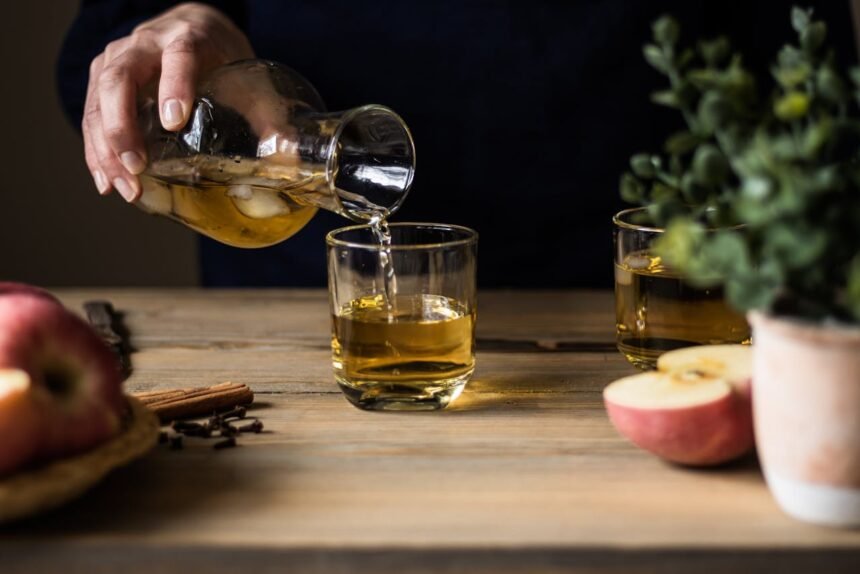
In the realm of holistic beauty, few ingredients have garnered as much praise and scientific interest as the humble apple. Specifically, fermented apple juice—better known as apple cider vinegar (ACV)—has transcended the kitchen pantry to become a staple in natural skincare routines. If you are struggling with uneven skin tone, acne, or a disrupted moisture barrier, finding the right organic apple cider vinegar skin toner recipe could be the turning point for your complexion.
While the market is flooded with high-end astringents and synthetic toners, many dermatologists and skincare enthusiasts are returning to basics. This comprehensive guide will explore the science behind ACV, the importance of pH balance, and provide you with a customizable, safe, and effective recipe to revitalize your skin.
The Science of Skin Acidity: Why ACV Works
To understand why an organic apple cider vinegar skin toner recipe is effective, one must first understand the biology of the skin. The skin’s surface is covered by a thin protective film known as the acid mantle. This barrier, composed of sebum (skin oils) and sweat, is slightly acidic, typically resting at a pH level between 4.5 and 5.5.
Many commercial soaps and harsh cleansers are alkaline (high pH), which can strip this mantle, leaving the skin vulnerable to bacteria, moisture loss, and irritation. This is where ACV shines. According to Harvard Health Publishing, apple cider vinegar contains acetic acid, which has a low pH. Applying a properly diluted ACV toner helps restore the skin’s natural acidity, re-fortifying the barrier against pathogens.
Key Active Components
- Acetic Acid: Offers potent antibacterial and antifungal properties. Research suggests it can be effective against Cutibacterium acnes, the bacteria responsible for breakouts.
- Alpha Hydroxy Acids (AHAs): specifically malic acid found in apples. According to the Food and Drug Administration (FDA), AHAs are used in cosmetics to exfoliate the skin, removing dead skin cells to reveal a brighter complexion.
- Potassium: An electrolyte that supports hydration and skin texture.
The Ultimate Organic Apple Cider Vinegar Skin Toner Recipe
Creating a toner requires precision. Using undiluted vinegar can cause chemical burns, so adhering to the correct ratios is paramount. Below is the foundational recipe, adjustable based on your specific skin type.
The Core Ingredients
- Raw, Organic Apple Cider Vinegar: Ensure the bottle says “with the Mother.” The “Mother” is the cloudy sediment containing beneficial enzymes and bacteria. You can learn more about fermentation processes from the National Center for Biotechnology Information (NCBI).
- Distilled or Filtered Water: Tap water may contain chlorine or heavy metals that can dry out the skin.
- Essential Oils (Optional): Lavender for soothing or Tea Tree for acne.
Dilution Ratios by Skin Type
- Sensitive Skin: 1 part ACV to 4 parts water.
- Normal/Combination Skin: 1 part ACV to 3 parts water.
- Oily/Acne-Prone Skin: 1 part ACV to 2 parts water.
Step-by-Step Instructions
- Sterilize Your Container: Use a glass bottle or jar. Plastic can sometimes react with the acid over long periods. Clean it thoroughly with hot, soapy water.
- Measure and Mix: Pour the organic apple cider vinegar into the bottle first, followed by the distilled water according to your skin type ratio.
- Add Boosters (Optional): If you are adding essential oils, add 2-3 drops now. Shake well to disperse.
- Patch Test: Before applying it to your face, apply a small amount to your inner arm and wait 24 hours to ensure no allergic reaction occurs, a safety step recommended by the American Academy of Dermatology.

Comparison: ACV Toner vs. Commercial Alternatives
To highlight the value of making your own organic apple cider vinegar skin toner recipe, we have compared it against standard alcohol-based commercial toners and other natural floral waters.
| Feature | DIY ACV Toner | Commercial Alcohol Toner | Rose Water Toner |
|---|---|---|---|
| Primary Active Agent | Acetic & Malic Acid | Denatured Alcohol / Salicylic Acid | Floral Distillate |
| pH Level | ~3.0 (Diluted to ~4.5) | Often > 5.5 or highly stripping | ~5.0 – 5.5 |
| Cost per Ounce | $0.20 – $0.50 | $3.00 – $10.00+ | $1.50 – $4.00 |
| Microbiome Impact | Prebiotic support (The Mother) | Often kills beneficial bacteria | Neutral / Soothing |
| Exfoliation | Chemical (AHA) | Harsh chemical stripping | None |
| Best For | Acne, pH balancing, Brightening | Severe oil control (use with caution) | Hydration, Sensitive skin |
Advanced Customizations for Specific Skin Concerns
Once you have mastered the basic recipe, you can tailor the formulation to address specific dermatological concerns.
1. The Acne Fighter (With Witch Hazel)
Combine your ACV mixture with alcohol-free Witch Hazel. According to WebMD, tannins in witch hazel act as an astringent, tightening pores and reducing inflammation.
- Ratio: 1 part ACV, 1 part Witch Hazel, 2 parts Water.
2. The Soothing Hydrator (With Aloe Vera)
For those with sun-damaged or irritated skin, adding Aloe Vera juice can mitigate the drying effects of the vinegar.
- Ratio: 1 part ACV, 1 part Aloe Vera Juice, 2 parts Water.
3. The Anti-Aging Elixir (With Green Tea)
Replace the distilled water with brewed, cooled organic green tea. Green tea is rich in polyphenols, which the National Cancer Institute notes for its antioxidant properties that combat free radicals.
How to Integrate This Toner into Your Routine
Consistency is key when introducing natural acids to your skin. Here is the optimal routine:
- Cleanse: Remove makeup and dirt with a gentle cleanser.
- Tone: Shake your ACV toner bottle. Apply the solution to a cotton pad (reusable bamboo pads are eco-friendly) and gently swipe across the face, avoiding the immediate eye area.
- Wait: Let the toner dry naturally. Do not rinse it off; allow the AHAs to work.
- Moisturize: Apply a high-quality moisturizer to lock in hydration. Refer to the Mayo Clinic for selecting a moisturizer that suits your skin type.
- SPF (Morning Only): Because AHAs can make your skin more sensitive to sunlight, always apply broad-spectrum sunscreen in the morning.
Safety Precautions and Myths
While natural, ACV is potent. It is crucial to debunk the myth that “more is better.” Using undiluted vinegar can lead to chemical burns. If you experience stinging that lasts more than a few seconds, rinse immediately and dilute your mixture further with water.
Furthermore, individuals with eczema or rosacea should consult a dermatologist before using acidic toners. The National Eczema Association advises caution with home remedies on compromised skin barriers.
Conclusion: Reclaiming Your Natural Glow
Adopting an organic apple cider vinegar skin toner recipe is more than a DIY project; it is a commitment to understanding and respecting your skin’s biology. By moving away from harsh synthetic chemicals and utilizing the natural potency of apples, you can achieve a balanced, brighter, and healthier complexion.
Start with the sensitive skin ratio, listen to your skin’s feedback, and adjust as necessary. Nature often holds the most sophisticated solutions for our modern skincare woes.
Disclaimer: This article is for informational purposes only and does not constitute medical advice. Always consult with a dermatology professional regarding severe skin conditions.
Ready to transform your skincare routine? Pick up a bottle of organic raw apple cider vinegar today and mix your first batch!