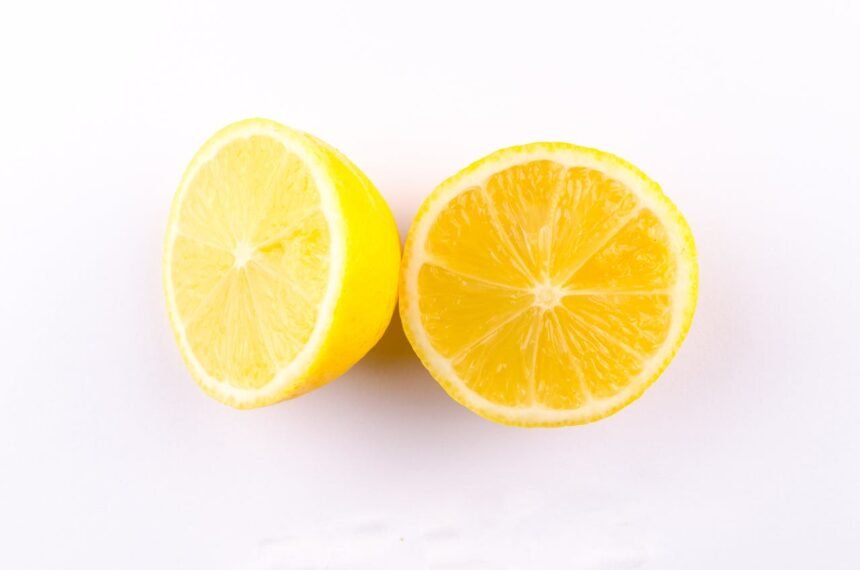
If you have ever wandered through a farmers’ market, you may have spotted a small, smooth-skinned citrus fruit that looks like a cross between a lemon and a mandarin. This is the Meyer lemon, a beloved ingredient among chefs and home cooks alike. They are a highlight of winter seasonal produce, offering a bright burst of flavour during the colder months.
But what do Meyer lemons taste like, exactly? They are notably sweeter and less acidic than standard lemons, boasting a complex flavour profile with hints of sweet orange and delicate floral notes.
The main difference between Meyer lemons and regular lemons lies in this gentle sweetness, alongside their thinner, deeper yellow skin. According to the USDA nutrition database, they also share a remarkably similar and robust nutritional profile to their tarter cousins.
The Nutritional Profile of Meyer Lemons
When exploring the nutritional benefits of Meyer lemons, their impressive vitamin profile immediately stands out. They are an excellent source of ascorbic acid, and the vitamin C content in Meyer lemons can help you meet a significant portion of your daily requirements. If you are looking for high vitamin C foods to add to your routine, these sweet lemons are a fantastic choice.
The National Institutes of Health highlights that vitamin C is essential for collagen production, wound healing, and protein metabolism. Furthermore, research on citrus flavonoids shows that the plant compounds found in these fruits possess powerful anti-inflammatory effects.
Health Benefits for Your Body and Mind
The broader health benefits of citrus fruits are well-documented, and Meyer lemons are certainly no exception. For instance, the Harvard T.H. Chan School of Public Health notes that adequate vitamin C intake is vital for supporting immune function. Adding a squeeze of this sweet citrus to your meals is a simple method for boosting your immune system naturally.
Staying hydrated is another key benefit. If you frequently experience signs of dehydration, adding a splash of Meyer lemon to your water can make it much more palatable. In fact, Mayo Clinic guidelines suggest flavouring water with fresh citrus to encourage adequate fluid intake, which helps you reap the full benefits of drinking lemon water.
You might also wonder, are Meyer lemons good for weight loss? While no single food directly causes weight loss, their low calorie count and high water content make them an excellent flavour enhancer for calorie-conscious diets.
The antioxidant properties of Meyer lemons also protect your cells from oxidative stress and free radical damage. Studies on antioxidants confirm that neutralising free radicals can significantly lower the risk of developing chronic diseases.
These antioxidants are also brilliant for your complexion. The American Academy of Dermatology emphasises that vitamin C helps protect the skin from premature ageing and environmental damage. Incorporating Meyer lemons into a glowing skin diet can help you maintain a youthful, radiant appearance.
Furthermore, the citric acid in Meyer lemons can enhance the absorption of non-haem iron from plant-based foods. Pairing them with plant-based iron sources like spinach or lentils can help prevent anaemia, as supported by research on dietary iron absorption.
They also contain potassium, which the American Heart Association states is crucial for relaxing blood vessel walls and managing blood pressure. This makes them a tasty, heart-healthy addition to natural ways to lower blood pressure.
Finally, the citric acid in these lemons may help prevent the formation of kidney stones. The National Kidney Foundation explains that dietary citrate helps prevent stone formation by binding with calcium in the urine.
Culinary Uses and Recipe Ideas
In the kitchen, Meyer lemons are incredibly versatile and forgiving. You might ask, can you eat Meyer lemon skin? Yes, because the skin is very thin and lacks the bitter pith of standard lemons, the entire fruit is edible and frequently used in cooking.
When looking for the best recipes for Meyer lemons, consider both sweet and savoury options to make the most of their unique flavour. They are a staple in healthy citrus recipes like vibrant salads, zesty dressings, and light, refreshing desserts. If you happen to run out of them while cooking, the best substitute for Meyer lemon juice is a mixture of equal parts regular lemon juice and fresh tangerine or orange juice.
For a rewarding weekend project, you might want to learn how to make Meyer lemon marmalade, which perfectly captures their sweet-tart essence. They also work beautifully as healthy baking substitutes to help reduce the need for added sugars in cakes and muffins.
Moreover, using Meyer lemons in savoury dishes—such as roasting them alongside chicken or fish—adds a delicate, floral acidity that enhances rather than overpowers the meal.
Adding fresh citrus to your meals can also aid your digestive system. The National Health Service recommends a balanced diet rich in fruit and fibre to keep your gut functioning smoothly. This aligns perfectly with strategies on how to improve digestion and fits seamlessly within an anti-inflammatory diet plan.
Seasonality, Storage, and Growing at Home
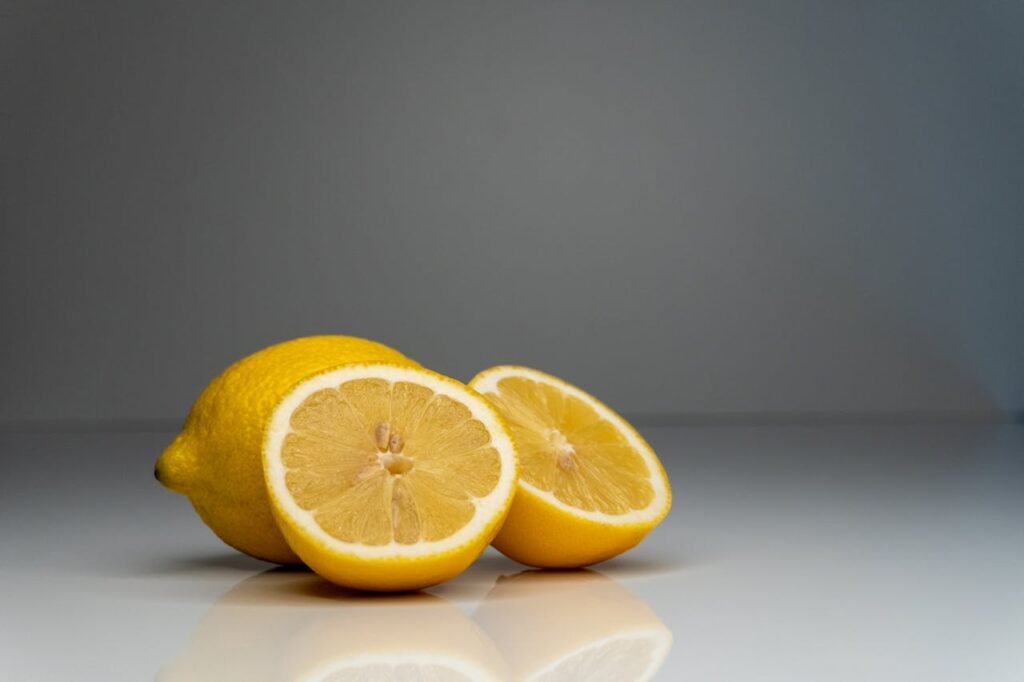
To enjoy the freshest produce, you may wonder when are Meyer lemons in season. They typically reach their peak from late November through to March, bringing a welcome pop of colour to dark winter days.
Knowing how to store Meyer lemons at home ensures they stay fresh and juicy for as long as possible. Keep them in the crisper drawer of your fridge rather than out on the worktop. The Food Standards Agency provides excellent guidelines on chilling fresh produce to prevent spoilage and safely extend shelf life.
When it comes to growing a Meyer lemon tree indoors UK climates are surprisingly accommodating. They adapt very well to container growing if placed in a sunny, draught-free spot in your home or conservatory.
For the best results, follow general indoor gardening tips and ensure your potting soil is exceptionally well-draining. The Royal Horticultural Society offers comprehensive, easy-to-follow advice on managing and feeding citrus plants in British climates.
Potential Risks and Considerations
While Meyer lemons are highly nutritious, they do come with a few minor considerations. The natural acids found in citrus can erode tooth enamel over time if consumed in large quantities.
The American Dental Association recommends rinsing your mouth with plain water after consuming acidic foods rather than brushing immediately. This is a simple yet vital step for maintaining healthy teeth and protecting your smile.
Additionally, citrus fruits can occasionally trigger heartburn or indigestion in sensitive individuals. If you are actively managing acid reflux, you may need to monitor your intake carefully. NHS guidelines on acid reflux suggest identifying and limiting your personal trigger foods to effectively reduce daily discomfort.
Summary
Meyer lemons are a delightful, highly nutritious addition to any balanced diet. Their unique sweetness and floral notes make them a versatile culinary ingredient that can elevate both sweet and savoury dishes.
Whether you are squeezing them into your morning water, tossing them into a fresh salad, or baking a healthy winter treat, they offer numerous evidence-based health benefits. Enjoy them in moderation to support your overall health, hydration, and wellbeing.