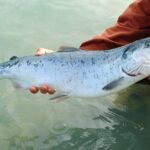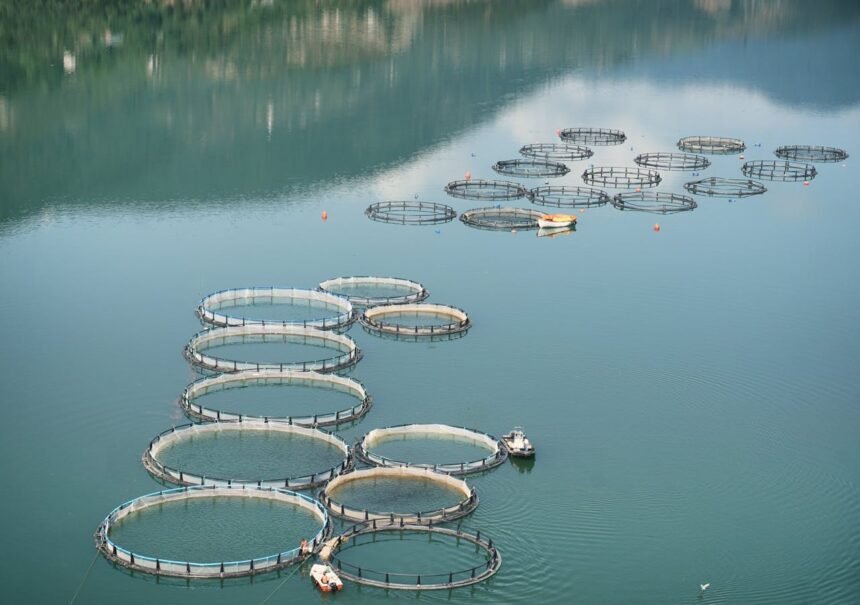
Salmon has long been celebrated as a nutritional powerhouse, prized for its high protein content and heart-healthy omega-3 fatty acids. However, as global demand for this pink-fleshed fish rises, traditional methods of harvesting are facing intense scrutiny. Enter ras salmon farming, a revolutionary approach that promises to transform how we produce sustainable seafood.
Short for Recirculating Aquaculture Systems, ras salmon farming represents a shift toward land-based aquaculture. Instead of raising fish in open ocean nets, this method utilises sophisticated aquaculture technology to grow fish in indoor tanks. It’s a bit like a high-tech spa for fish, where every element of their environment is meticulously controlled to ensure fish welfare and optimal growth.
What Exactly is RAS Salmon Farming?
At its core, ras salmon farming is a closed-loop system. Unlike traditional sea cages that interact directly with the marine ecosystem, RAS facilities are entirely self-contained. According to the Food and Agriculture Organization (FAO), these systems recycle up to 99% of their water, passing it through a series of complex water filtration stages to remove waste and re-oxygenate the liquid.
This indoor fish farming method allows producers to raise Atlantic salmon anywhere in the world—even in the middle of a desert. By bringing production closer to the end consumer, the industry can significantly reduce the carbon footprint associated with long-distance air freight.
The Filtration Process: How the Water Stays Clean
To keep the fish healthy, the water undergoes a rigorous cleaning cycle. This typically involves:
- Mechanical filtration: Removing solid waste particles like uneaten feed and faeces.
- Biological filtration: Using “good” bacteria to convert toxic ammonia into harmless nitrate.
- Degassing: Removing excess carbon dioxide that can stress the fish.
- Oxygenation: Injecting pure oxygen to maintain high levels for the salmon’s metabolic needs.
- UV or Ozone treatment: Providing a pathogen-free environment by sterilising the water.
The Benefits: Why Choose RAS Over Traditional Methods?
The move toward land-based aquaculture isn’t just about technology; it’s about solving the biological hurdles that plague ocean-based pens. Research published in Nature suggests that as ocean temperatures rise due to climate change, traditional farming becomes increasingly risky.
One of the primary advantages of ras salmon farming is biosecurity. Because the fish are isolated from the wild, they are protected from sea lice, algae blooms, and jellyfish attacks. This eliminates the need for chemical treatments and antibiotics, which are often cited as concerns by the National Health Service (NHS) regarding food safety and environmental health.
Furthermore, these facilities allow for precise density control. Managing how many fish occupy a space ensures they have enough room to swim naturally, reducing stress and improving the final feed conversion ratio (the efficiency with which fish turn feed into body mass).
Comparing Production Methods
To better understand the impact of ras salmon farming, let’s look at how it stacks up against traditional open-pen methods.
| Feature | Traditional Open-Pen | RAS Salmon Farming |
|---|---|---|
| Location | Coastal waters only | Anywhere (Land-based) |
| Sea Lice Risk | High | Zero/Negligible |
| Antibiotic Use | Variable (Often required) | Minimal to None |
| Water Usage | Direct ocean exchange | 95-99% Recycled |
| Waste Management | Released into the ocean | Captured and repurposed |
Environmental Impact and Nutrient Management
Critics of traditional aquaculture often point to the “nutrient load” released into the seabed. In a RAS facility, nutrient management is much more controlled. The solid waste collected during the wastewater treatment process can be dried and utilised as organic fertiliser or even converted into biogas, as highlighted by the World Bank in their reports on the blue economy.
The European Environment Agency (EEA) has noted that moving production on-land can help restore coastal ecosystems that have been strained by years of intensive farming. By removing the cages, we allow the local marine biodiversity to recover.
Challenges Facing the RAS Industry
While the benefits are clear, ras salmon farming is not without its hurdles. It is an energy-intensive process. Running pumps, chillers, and filtration systems 24/7 requires a significant amount of electricity. To remain truly sustainable, many new facilities are partnering with renewable energy providers, a trend documented by National Geographic.
Key challenges include:
- High Capital Expenditure: Building these facilities costs millions of pounds.
- Technical Complexity: A minor pump failure can be catastrophic if backup systems aren’t perfect.
- Taste Profile: Sometimes, fish raised in RAS can develop “off-flavours” if water quality isn’t perfectly managed.
However, groups like the Aquaculture Stewardship Council (ASC) and the Marine Stewardship Council (MSC) are working closely with engineers to refine these processes and ensure the highest quality product for the consumer.
Health Benefits: Is RAS Salmon Good for You?
From a nutritional standpoint, salmon grown via ras salmon farming is virtually identical to its ocean-raised counterparts. It remains an excellent source of vitamin D and B12. Because these fish live in a pathogen-free environment, there is a lower risk of parasites, which is particularly important for those who enjoy sushi or lightly seared fillets.
Organisations like the Institute of Food Technologists (IFT) suggest that controlled environments allow for tailored diets, potentially enhancing the levels of healthy fats in the fish. You can learn more about the importance of sustainable diets on the United Nations sustainability pages.
The World Wildlife Fund (WWF) also advocates for responsible aquaculture as a means to protect wild fish stocks from overfishing. By choosing sustainable seafood, consumers play a direct role in ocean conservation.
The Future of Fish
As we look toward 2050, the The Guardian and other major outlets have reported that our current food systems must evolve to feed a growing population. Ras salmon farming offers a scalable, biosecure, and environmentally conscious solution. While the industry is still maturing, the integration of AI and machine learning into aquaculture technology is making these systems more efficient every day.
For more on the latest developments in UK food standards and farming regulations, you can visit the GOV.UK website. To see how these systems are discussed in global news, the BBC often features segments on the future of food technology.
In conclusion, while traditional methods will likely remain a part of the mix, the rise of land-based aquaculture is inevitable. It represents a harmony between technology and nature, providing a clean, consistent, and ethical source of protein for a hungry world.
Frequently Asked Questions (FAQs)
Is RAS salmon organic?
While ras salmon farming avoids many chemicals and antibiotics, it often doesn’t qualify for “organic” certification in certain regions because the fish are not raised in a “natural” environment. However, it is often considered cleaner than traditional farmed salmon. You can find specific criteria on ScienceDirect regarding aquaculture certifications.
Does RAS salmon taste different?
Most consumers cannot tell the difference between RAS-raised salmon and ocean-raised salmon in blind taste tests. Any potential “off-flavours” are usually removed through a process called “purging” before the fish are harvested. Detailed studies on sensory profiles can be found via Seafood Watch.
Is it more expensive to buy RAS salmon?
Currently, because the initial setup costs for land-based aquaculture are high, RAS salmon may carry a slight premium. However, as the technology scales and production becomes more efficient, prices are expected to align with, or even drop below, traditional salmon prices.