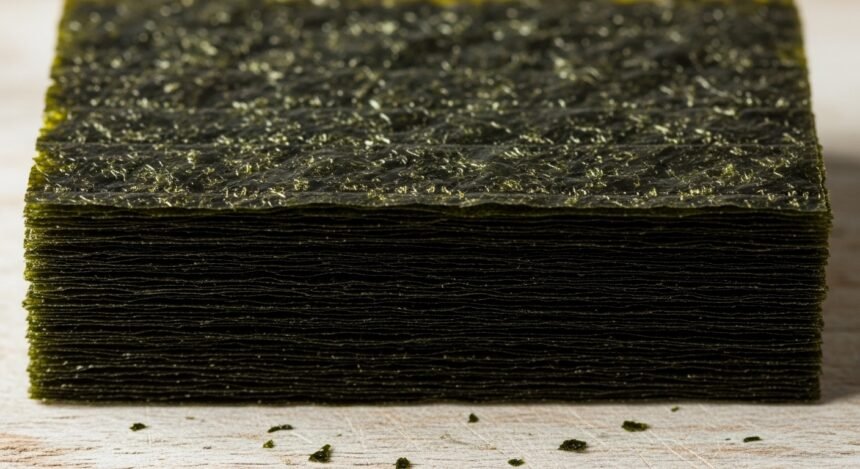
If you have ever enjoyed a sushi roll, you have likely eaten nori. These thin, dark green wrappers are a staple in Japanese cuisine and are becoming increasingly popular worldwide.
But nori is more than just a convenient way to hold your rice and fish together. It is a nutrient-dense sea vegetable that offers a host of impressive health benefits.
Let us explore what makes this edible seaweed so special and how you can easily add it to your daily diet. For a deeper dive into ocean greens, check out our comprehensive guide to seaweed benefits.
What Are Nori Sheets?
Nori is a type of edible red algae that turns dark green or black when dried. To create the familiar paper-like squares, the seaweed is shredded, pressed, and roasted.
Many people wonder how nori seaweed is harvested and processed before it reaches the supermarket shelves. The process is surprisingly similar to traditional papermaking and relies heavily on sustainable marine conservation efforts.
You might also spot variations in the shops and wonder about the difference between roasted and raw nori. Roasted nori, or yaki-nori, is toasted to bring out a crispy texture and umami flavour, whereas raw nori is simply dried at much lower temperatures.
Nutritional Profile
Despite being incredibly light, nori is packed with essential vitamins and minerals. The calories in a single sheet of nori are very low, typically providing around 5 to 10 calories per sheet.
It is also an excellent source of dietary fibre, protein, and antioxidants, according to USDA nutritional databases. Adding more high-fibre foods to your meals can support healthy digestion and keep you feeling full.
Interestingly, many plant-based eaters look to seaweed for essential nutrients. The vitamin b12 content in edible seaweed is often debated, but nori does contain a type of B12 that may be biologically active in humans, as noted by the National Institutes of Health. Still, vegans should rely on fortified foods or supplements to meet their daily requirements, alongside natural plant-based B12 sources.
Furthermore, nori provides trace amounts of plant-based EPA and DHA fatty acids. The Vegan Society guidelines highlight that sea vegetables can be a helpful dietary addition. If you are exploring vegan omega-3 sources, adding seaweed to your diet is a sensible choice.
Health Benefits
The health benefits of roasted nori sheets are vast, ranging from heart health to improved metabolic function.
Because nori is rich in naturally occurring iodine, it supports the production of vital thyroid hormones. Using nori sheets for thyroid health can be highly beneficial if you struggle to get enough iodine from other food sources, as recommended by Thyroid UK. Maintaining a balanced diet for thyroid support is essential for regulating your energy levels and metabolism.
Nori also contains powerful antioxidants, such as vitamin C and various flavonoids. These compounds help protect your cells from oxidative stress and free radical damage, according to research from the Harvard School of Public Health.
Additionally, the soluble fibre found in seaweed can bind to cholesterol in the gut, helping to lower overall cholesterol levels. The American Heart Association notes that diets high in soluble fibre are linked to a reduced risk of cardiovascular disease.
Potential Risks and Considerations
While nori is highly nutritious, it is important to consume it in moderation. Knowing how much iodine is in nori seaweed is crucial, as consuming too much iodine can actually disrupt your thyroid function over time. The NHS guidelines on iodine suggest that adults need about 140 micrograms a day, which can easily be exceeded with large amounts of seaweed.
If you are experiencing symptoms of iodine imbalance, it is best to consult a healthcare professional.
Another concern is the potential for heavy metal contamination, such as arsenic or lead, as seaweed absorbs minerals directly from the ocean. The Food Standards Agency monitors these levels, and fortunately, nori generally contains much lower levels of heavy metals compared to other seaweeds like hijiki. However, being mindful of your intake is a good step towards reducing heavy metal exposure.
Expectant mothers often ask, is nori seaweed safe during pregnancy? Yes, in moderate amounts, it is a safe and healthy addition to a pregnancy diet, as supported by the Royal College of Obstetricians and Gynaecologists. Always check with your midwife or doctor about safe foods for pregnancy.
Pet owners might also wonder, can dogs eat plain nori sheets? Small amounts of unseasoned nori are generally safe for dogs and can provide a nutrient boost, according to general RSPCA advice. Just ensure it is completely free from added salt, garlic, or spices before sharing human food with your dog.
How to Use Nori Sheets
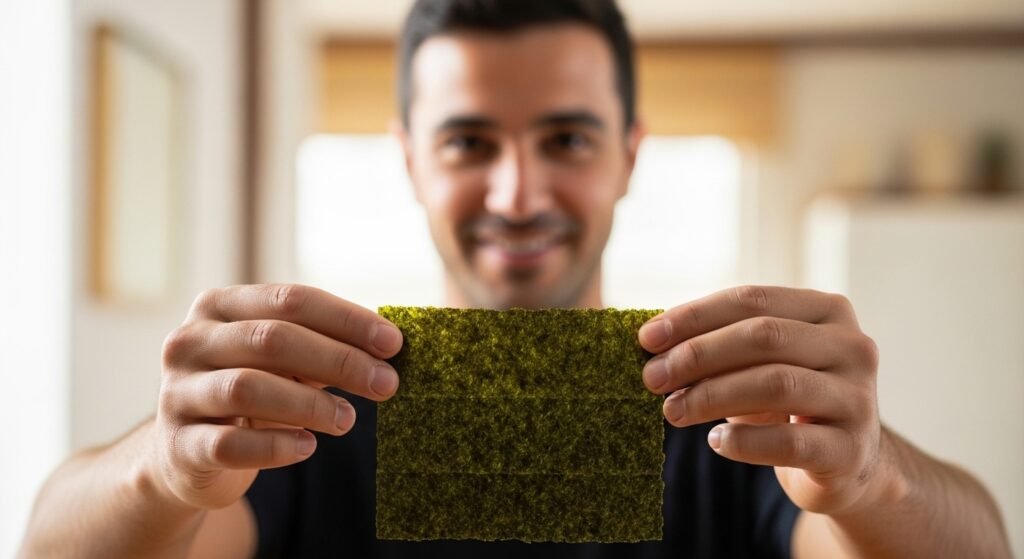
Nori is incredibly versatile in the kitchen and extends far beyond traditional Japanese dishes. If you are looking for the best nori sheets for making sushi at home, opt for high-quality, dark green, and thick sheets that will not easily tear when rolled, a tip often shared by BBC Good Food.
You can use them to make classic maki rolls or experiment with creative vegan sushi recipes.
Beyond sushi, nori is brilliant for creating vegan alternatives to fish using nori. Blending soaked nori flakes with mashed chickpeas or tofu can mimic the briny flavour of tuna perfectly.
For those watching their carbohydrate intake, low carb nori wrap recipes offer a fantastic, grain-free alternative to wheat tortillas. Diabetes UK encourages swapping refined carbs for lighter options to manage blood sugar. Nori sheets are perfect for a light, vegetable-packed lunch when you need low-carb alternatives.
People with coeliac disease often ask, are nori sheets gluten-free by nature? Yes, plain, unseasoned seaweed is naturally free from gluten, as confirmed by Coeliac UK. However, always check the label for cross-contamination warnings or added soy sauce if you are following a strict gluten-free lifestyle.
You can also shred or blend nori to create a flavourful homemade seasoning for rice, salads, and noodle dishes.
How to Store Nori Sheets
Proper storage is key to maintaining nori’s delicate, crisp texture. Moisture is the absolute enemy of dried seaweed.
If you are unsure how to store leftover sushi seaweed, simply place it in an airtight container or a heavy-duty resealable plastic bag. Keep it in a cool, dark cupboard alongside your other dry pantry staples.
Always squeeze out as much air as possible and retain the small silica gel packet that comes in the original packaging. The British Dietetic Association recommends storing dried goods properly to preserve their nutritional integrity.
If your seaweed does lose its crunch due to humidity, do not throw it away. You can easily learn how to crisp up soggy nori sheets by briefly toasting them in a dry frying pan over a very low heat for a few seconds. This is a great trick for reviving stale food and reducing kitchen waste.
Conclusion
Nori sheets are a delicious, nutrient-dense addition to almost any diet. They offer a unique umami flavour and a wealth of essential minerals, including iodine and vitamin B12.
Whether you are rolling fresh sushi, making a quick low-carb wrap, or blending up a vegan tuna substitute, this sea vegetable is a highly versatile pantry staple. Enjoy it in moderation to safely reap its wonderful health benefits.