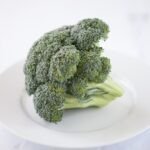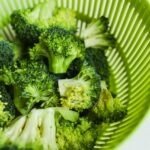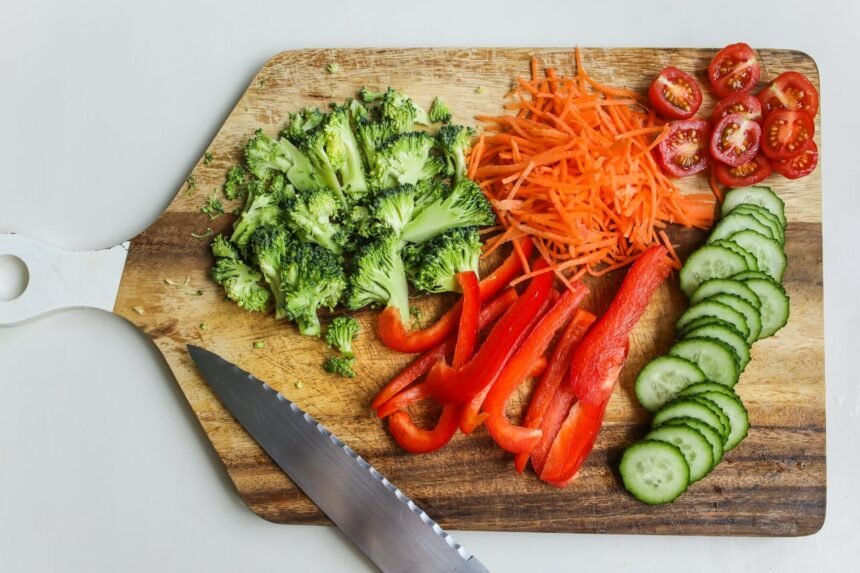
Broccoli is frequently cited as one of the healthiest vegetables on the planet, yet it is often one of the most mishandled in the kitchen. Many of us have childhood memories of soggy, greyish-green florets that lacked both flavour and texture. However, when cooked correctly, this cruciferous vegetable is vibrant, crunchy, and packed with vital nutrients.
The secret lies in the cooking method. While boiling can leach out water-soluble vitamins, steaming is a gentle technique that cooks the vegetable through the power of hot vapour. This method preserves the structural integrity of the plant cells and retains the delicate compounds that make broccoli a superfood.
Understanding how to steam broccoli properly is not just a culinary skill; it is a nutritional necessity. By mastering this simple technique, you can transform a humble side dish into the star of your meal, ensuring you reap the full benefits of its antioxidant profile. According to Healthline, broccoli is a rich source of vitamins, minerals, and bioactive compounds, but the preparation method significantly impacts how much of this goodness actually reaches your plate.
Why Steaming is the Superior Method
When you submerge vegetables in boiling water, nutrients—specifically water-soluble ones like Vitamin C and B vitamins—leach out into the cooking water, which is usually discarded. Steaming avoids this issue by keeping the vegetable suspended above the liquid.
The Science of Nutrient Retention
Research has consistently shown that steaming is one of the most effective ways to preserve nutrients in broccoli. A study highlighted by the National Center for Biotechnology Information (PubMed) found that steaming resulted in the lowest loss of glucosinolates compared to boiling and frying. Glucosinolates are sulphur-containing compounds that break down into biologically active by-products like sulforaphane, which has been studied for its potential anticancer properties.
Furthermore, the British Dietetic Association (BDA) emphasises that cooking methods involving less water and shorter cooking times are generally better for preserving vitamin content. Steaming ticks both of these boxes perfectly. It softens the fibrous tissues of the broccoli, making it easier to digest, without obliterating the cellular walls that hold the vitamins.
Texture and Flavour Profile
Beyond nutrition, steaming offers a superior sensory experience. Boiled broccoli often becomes waterlogged and mushy. Steamed broccoli, conversely, retains a pleasant bite—often referred to as al dente—and a bright, emerald green colour. This makes it far more palatable, which is crucial for encouraging children and fussy eaters to consume their NHS-recommended 5 A Day portions.
Preparing Your Broccoli for Steaming
Before you apply heat, proper preparation is essential to ensure even cooking and food safety.
Cleaning and Washing
Like all fresh produce, broccoli can harbour bacteria or soil in its tight florets. Food.gov.uk recommends washing fruit and vegetables thoroughly under cold running water before peeling or cooking. You can soak the head in a bowl of cold water for a few minutes to help loosen any grit, then rinse it well.
Cutting for Consistency
Uniformity is key. If you have florets of vastly different sizes, the small ones will turn to mush before the large ones are tender.
- Separate the florets: Cut the florets away from the thick central stalk. Break larger florets into smaller, bite-sized pieces of roughly the same size.
- Don’t bin the stalk: The stem is delicious and sweet. Peel the tough outer layer of the stalk with a vegetable peeler, then slice the inner pith into rounds or batons. These may take a minute longer to cook, so you can place them at the bottom of the steamer.
How to Steam Broccoli: 3 Proven Methods
There are several ways to steam broccoli, depending on the equipment you have available. Here are the three most effective methods.
1. The Classic Stovetop Steamer Basket
This is the gold standard for controlling texture.
- Fill the pot: Pour about 2 to 3 centimetres of water into a saucepan. The water level should be low enough that it does not touch the bottom of the steamer basket.
- Boil: Bring the water to a rolling boil over high heat.
- Add Broccoli: Place your florets in the steamer basket and set it over the pan. Cover immediately with a tight-fitting lid to trap the steam.
- Time it: Steam for 5 to 6 minutes. At the 5-minute mark, check for doneness by piercing a floret with a fork. It should be tender but still offer slight resistance.
2. The Microwave Method
If you are short on time, the microwave is surprisingly effective and, according to Harvard T.H. Chan School of Public Health, can be excellent for nutrient retention due to the short cooking duration.
- Bowl Prep: Place your broccoli florets in a microwave-safe glass bowl.
- Add Water: Add 2 to 3 tablespoons of water to the bowl. You do not need to submerge them.
- Cover: Cover the bowl with a microwave-safe plate. Do not seal it completely air-tight; leave a tiny gap or use a vented microwave cover to allow excess pressure to escape.
- Cook: Microwave on high power for 3 to 4 minutes. Be careful when removing the lid, as the steam will be incredibly hot.
3. The Pan-Steam (No Basket Required)
If you lack a steamer basket, you can use a frying pan or skillet. This technique is often used by chefs to glaze the vegetables simultaneously.
- Arrangement: Place florets in a large frying pan.
- Water: Add about 100ml of water (roughly half a cup) to the pan.
- Simmer: Bring the water to a boil, then cover the pan with a lid.
- Steam: Let it steam for 4 to 5 minutes until the water has mostly evaporated and the broccoli is tender.
Comparison of Cooking Methods
The following table outlines why steaming is often the preferred choice over other common methods.
| Feature | Steaming | Boiling | Microwaving |
|---|---|---|---|
| Nutrient Retention | High. Preserves Vitamin C and glucosinolates effectively. | Low. Significant leaching of water-soluble vitamins into the water. | High. Fast cooking time minimizes nutrient breakdown. |
| Texture | Firm, crisp-tender (al dente). | Often soft, mushy, or waterlogged. | Can be uneven; risk of rubbery texture if overcooked. |
| Colour | Vibrant bright green. | Can turn dull olive-green if overcooked. | Generally retains good colour. |
| Time Required | 5–6 minutes. | 5–7 minutes (plus time to boil large pot of water). | 3–4 minutes. |
| Equipment | Pot + Steamer basket. | Large pot. | Microwave-safe bowl. |
Tips for Perfect Flavour and Texture
Once you have mastered the basic technique, you can elevate your dish with these expert tips.
- Shock Cooling: If you are not serving the broccoli immediately (for example, if using it in a salad later), plunge the steamed florets into a bowl of iced water for 60 seconds. This process, known as refreshing or shocking, stops the cooking process instantly and locks in that bright green colour. BBC Food highlights this technique as essential for professional presentation.
- Season After Cooking: Avoid salting the broccoli before steaming, as salt can draw out moisture and affect the texture. Season generously with sea salt, black pepper, and a squeeze of lemon juice immediately after cooking.
- Add Fat: Vitamins A and K found in broccoli are fat-soluble. The British Heart Foundation suggests using unsaturated oils like olive oil or rapeseed oil. A light drizzle of extra virgin olive oil not only improves flavour but may also help your body absorb these nutrients.
- Don’t Overcrowd: If using a steamer basket, try to keep the broccoli in a single layer or loosely piled. Overcrowding can lead to uneven cooking, where the bottom layer turns mushy while the top layer remains raw.
Frequently Asked Questions
Can I eat broccoli raw?
Yes, raw broccoli is safe to eat and very nutritious. However, some people find it difficult to digest due to its high fibre content. Steaming softens the fibre, making it gentler on the gut. Diabetes UK notes that high-fibre foods are excellent for managing blood sugar levels, whether eaten raw or cooked.
How do I know when it is done?
The most reliable test is the “fork test”. A fork should slide into the thickest part of the stem with little resistance. If the broccoli turns an olive-green or yellowish hue, it has been overcooked. You want to aim for a vibrant, bright green shade.
Is the microwave method safe for nutrients?
Yes. There is a common myth that microwaves destroy nutrients. In reality, because microwaving is faster and uses less water than boiling, it is often one of the best methods for preserving Vitamin C and antioxidants.
Why does my broccoli smell bad?
Overcooking cruciferous vegetables releases sulphur compounds, which create that distinct, unpleasant “rotten egg” smell. To avoid this, keep your cooking time short and serve immediately. Cancer Research UK encourages including these vegetables in your diet, and proper cooking ensures they remain appetising.
Can I steam frozen broccoli?
Absolutely. Frozen broccoli is usually blanched before freezing. You can steam it directly from frozen, though it will likely only need 3 to 4 minutes. Be aware that frozen broccoli may have a slightly softer texture than fresh.
The Bottom Line
Steaming is arguably the best way to prepare broccoli. It strikes the perfect balance between convenience, flavour, and health. By using gentle heat and minimal water, you preserve the vital Vitamin C and cancer-fighting compounds that make this vegetable a nutritional powerhouse.
Whether you choose the stovetop method for precision, the microwave for speed, or the pan method for simplicity, the goal remains the same: tender-crisp florets that look as good as they taste. Remember to wash your produce thoroughly, cut the florets evenly, and avoid overcooking to prevent nutrient loss.
incorporating these simple techniques into your routine aligns with advice from the GOV.UK Eatwell Guide, helping you maintain a balanced and healthy diet with minimal effort.