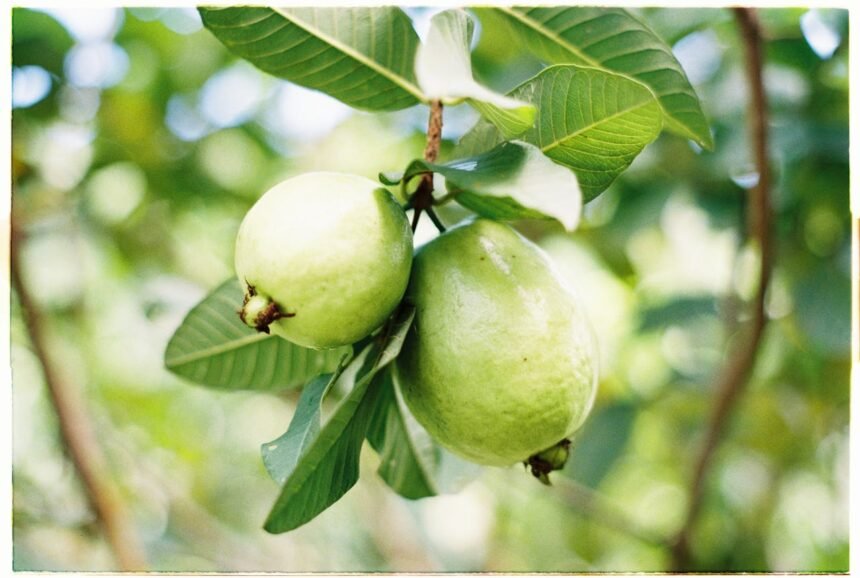
When it comes to maintaining a happy belly, most of us turn to ginger or peppermint. However, a hidden gem in the world of wellness has been hiding in tropical gardens for centuries. The benefits of guava leaf tea for digestive health are backed by both ancient wisdom and modern science, offering a gentle yet effective way to manage common tummy troubles.
Derived from the Psidium guajava leaves, this herbal infusion is more than just a refreshing drink. It is a powerhouse of bio-active compounds that target inflammation, harmful bacteria, and irregular bowel movements. Whether you are dealing with a temporary bug or looking to support long-term wellness, guava leaf tea might be the natural solution your cupboard is missing.
How Guava Leaf Tea Supports Your Digestive System
The digestive tract is a complex environment where balance is key. When things go awry, we often experience discomfort, bloating, or more severe issues like diarrhoea. Guava leaves contain high concentrations of polyphenols, flavonoids, and carotenoids that play a vital role in gut microbiome balance.
Unlike some harsh over-the-counter treatments, guava leaf tea works with your body’s natural processes. Here is a closer look at why this tea is one of the most effective traditional medicinal teas for the gut.
1. A Natural Remedy for Diarrhoea
One of the most well-documented uses of guava leaf tea is its ability to treat infectious diarrhoea. Studies have shown that the extract can inhibit the growth of Staphylococcus aureus, a common cause of food poisoning. If you are looking for natural remedies for diarrhoea, this tea can help reduce the frequency of bowel movements and ease the intensity of the condition.
2. Potent Antimicrobial Properties
The antimicrobial properties of guava are exceptional. The leaves contain tannins and essential oils that act as natural antibiotics. Research published in authoritative journals suggests that these compounds can neutralise harmful pathogens in the intestines without disrupting the “good” bacteria that your body needs to thrive.
3. Soothing Stomach Cramps
There is nothing quite as distracting as a sharp pain in your midsection. Guava leaf tea contains quercetin, a flavonoid that helps relax the smooth muscles of the intestines. This makes it highly effective for soothing stomach cramps and reducing the spasms associated with irritable bowel episodes.
The Science of Antioxidants for Gut Health
Oxidative stress isn’t just something that affects your skin; it can also damage the lining of your digestive tract. By consuming antioxidants for gut health, you provide your body with the tools it needs to repair cellular damage. Guava leaves are exceptionally high in Vitamin C and various phenolic compounds that neutralise free radicals in the digestive system.
According to research on phytochemical properties, these antioxidants can help reduce chronic inflammation in the colon, potentially lowering the risk of more serious digestive disorders over time.
Nutritional Profile of Guava Leaves
To understand why guava leaf tea is so effective, it helps to look at what is inside the leaf. The following table compares the key components found in guava leaf extract versus standard green tea in the context of digestive support.
| Component | Guava Leaf Tea | Standard Green Tea |
|---|---|---|
| Tannins | Very High (Antidiarrhoeal) | Moderate |
| Quercetin | High (Antispasmodic) | Low |
| Caffeine | Caffeine-Free | Contains Caffeine |
| Main Use | Digestive Relief | Metabolism / Energy |
How to Prepare Guava Leaf Tea at Home
Utilising the benefits of guava leaf tea for digestive health is straightforward. You can use either fresh leaves (if you live in a tropical climate) or dried leaves, which are widely available in health food shops across the UK.
- Clean the leaves: If using fresh leaves, rinse about 5–10 leaves thoroughly to remove any debris.
- Boil the water: Bring 500ml of water to a rolling boil in a pot.
- Steep: Add the leaves to the water and let them simmer for about 10 minutes. The water should take on a light brownish or yellowish colour.
- Strain and serve: Pour the liquid through a sieve into a cup. You can add a teaspoon of honey or a squeeze of lemon if you prefer a sweeter taste.
Drinking this tea twice a day can help maintain a healthy gut microbiome balance and keep your digestion regular. For more advice on maintaining a healthy diet, you can explore the Mayo Clinic’s guide to fibre and digestion.
Who Should Avoid Guava Leaf Tea?
While guava leaf tea is generally safe for most people, there are a few considerations to keep in mind. Because it is so effective at slowing down bowel movements during diarrhoea, drinking excessive amounts when you are already constipated might worsen the issue. For general information on the Psidium guajava plant, ScienceDirect provides a comprehensive botanical overview.
- Pregnant or breastfeeding women: Always consult your GP before adding new herbal teas to your routine.
- Diabetics: Guava leaf tea can lower blood sugar levels. While this is often a benefit, it may interact with prescribed medication.
- Pre-surgery: It is recommended to stop consuming herbal teas at least two weeks before a scheduled surgery to avoid any interference with blood glucose or clotting.
The Bottom Line
The benefits of guava leaf tea for digestive health are vast. From acting as a reliable natural remedy for diarrhoea to providing antioxidants for gut health, this humble leaf offers a gentle, plant-based approach to wellness. In an era where we often over-complicate our health routines, returning to traditional medicinal teas like guava leaf can be a refreshing and effective way to support our bodies from the inside out.
Frequently Asked Questions (FAQs)
Does guava leaf tea help with bloating?
Yes, guava leaf tea can help reduce bloating. Its anti-inflammatory and antispasmodic properties help relax the muscles in the gut and reduce gas buildup, which are common causes of abdominal distention and discomfort.
Can I drink guava leaf tea every day?
For most healthy adults, drinking one to two cups of guava leaf tea daily is considered safe. However, it is always best to listen to your body and consult a healthcare professional if you have underlying health conditions or are taking long-term medication.
Is guava leaf tea better than ginger tea for digestion?
Both have unique benefits. Ginger is excellent for nausea and morning sickness, whereas guava leaf tea is specifically potent for bacterial-related digestive issues and diarrhoea. Many people find that alternating between the two provides a comprehensive digestive support programme.