For decades, the lives of salmon after they leave their natal rivers have been something of a biological mystery. Scientists often referred to this period as the “black box” of the salmon life cycle. However, thanks to the rapid advancement of salmon ocean tracking, we are finally shedding light on the secret journeys of these iconic fish. Understanding where they go, how they survive, and what threats they face is essential for ensuring their future in a rapidly changing world.
The Critical Need for Salmon Ocean Tracking
Salmon are more than just a nutritious source of Omega-3 fatty acids; they are keystone species that support entire ecosystems. From the forests of the Pacific Northwest to the cold waters of the North Atlantic, wild salmon populations serve as a vital link between the ocean and freshwater environments. Unfortunately, many populations are in decline due to habitat loss, overfishing, and the climate change impact on ocean temperatures.
By utilising sophisticated salmon ocean tracking systems, researchers can identify specific migratory corridors and feeding grounds. This data is paramount for developing effective salmon conservation efforts that protect these fish during their most vulnerable life stages.
Modern Methods: How We Track Salmon at Sea
The technology behind salmon ocean tracking has evolved from simple plastic tags to high-tech electronic tagging technology. Today, scientists employ a variety of tools to monitor fish movements across thousands of miles of open water.
Acoustic Telemetry
One of the most common methods involves acoustic telemetry tags. These small devices are surgically implanted into the fish and emit a unique “ping” that is picked up by underwater receivers. This method is particularly effective for studying smolt migration patterns as young fish transition from rivers to the sea.
Satellite and Archival Tags
For larger fish, such as those in the midst of long-distance Atlantic salmon migrations, researchers often use satellite tracking devices. These tags record depth, temperature, and light levels, providing a detailed map of the animal’s high-seas distribution before popping off and transmitting the data to satellites.
- Acoustic Tags: Best for coastal and riverine tracking.
- PIT Tags: Passive Integrated Transponder tags used for individual identification.
- Data Storage Tags (DSTs): Record internal and external environmental conditions.
Comparing Tracking Technologies
The choice of salmon ocean tracking technology depends on the research goals and the size of the fish being studied. The following table provides a comparison of the primary methods used by organisations like the National Oceanic and Atmospheric Administration (NOAA).
| Technology | Primary Use Case | Key Advantage | Limitation |
|---|---|---|---|
| Acoustic Telemetry | Coastal migratory corridors | High-resolution local data | Requires physical receiver arrays |
| Satellite Tags (PSATs) | Open-ocean high-seas distribution | No receiver network needed | Bulky; expensive |
| PIT Tags | River systems and hatcheries | Lifelong battery life | Very short detection range |
Why Marine Survival Rates are Declining
One of the most alarming trends identified through salmon ocean tracking is the significant drop in marine survival rates. Even when freshwater habitats are well-managed, many salmon fail to return from the ocean. Researchers using Ocean Tracking Network data have found that shifting currents and rising sea temperatures are forcing salmon to travel further for food, increasing their exposure to predators and exhaustion.
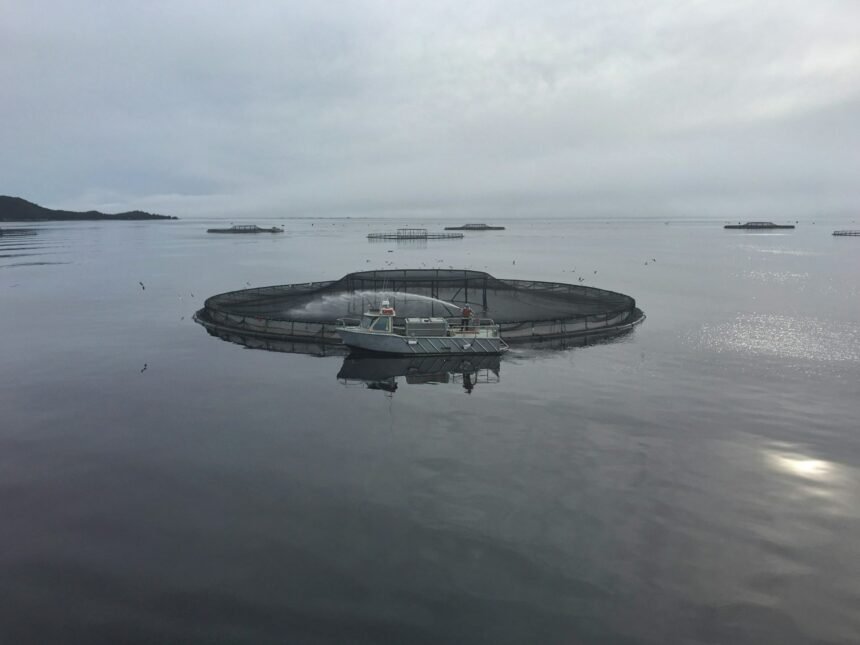
Furthermore, tracking data helps distinguish between wild fish and aquaculture escapees. This is crucial because escaped farmed salmon can compete with wild populations for resources and potentially spread sea lice or diseases, as documented by research in Science Magazine.
The Role of Oceanographic Sensors
Modern salmon ocean tracking doesn’t just monitor the fish; it monitors the environment. Many tags now include oceanographic sensors that record salinity and dissolved oxygen levels. This information helps scientists at the Department of Fisheries and Oceans (DFO) understand how salmon navigate their benthic habitat and avoid areas with low oxygen levels.
By combining biological data with environmental data, we can better predict how Pacific salmon recovery programmes might perform under future climate scenarios. This holistic approach is often published in leading journals such as PLOS ONE and Frontiers in Marine Science.
How Tracking Benefits Global Food Security
The insights gained from salmon ocean tracking extend beyond ecology; they are vital for global food security. By understanding the high-seas distribution of salmon, international bodies like ICES can set more accurate fishing quotas. This ensures that commercial fishing doesn’t intercept fragile populations during their long journey home.
Looking to the Future: AI and Real-Time Data
The future of salmon ocean tracking lies in real-time data and artificial intelligence. New projects are being developed to create “smart” ocean networks that can alert conservationists to shifts in migration patterns as they happen. According to reports from the Smithsonian, these innovations are key to the long-term protection of marine biodiversity.
As we continue to refine our electronic tagging technology, we move closer to a world where we can manage our oceans with precision and empathy, ensuring that the legendary journey of the salmon continues for generations to come. For more technical insights, researchers often turn to the Marine Ecology Progress Series or data from Marine Scotland.
Frequently Asked Questions (FAQs)
How long do the batteries in salmon tags last?
The battery life of salmon ocean tracking devices varies significantly. Small acoustic tags used for smolts may only last a few months, while larger archival tags can record data for up to two years. Some PIT tags do not require a battery at all, as they are powered by the scanner itself.
Does tagging harm the fish?
Researchers follow strict ethical guidelines to minimise stress. Tagging is typically performed under anaesthesia by trained professionals. Studies have shown that once the small incision heals, tagged fish exhibit normal swimming behaviour and survival rates comparable to non-tagged peers.
Can the public access salmon tracking data?
Yes, many organisations provide public access to tracking maps. Websites like the Ocean Tracking Network allow users to see the migratory corridors of various marine species, fostering a greater public connection to salmon conservation efforts and marine science.