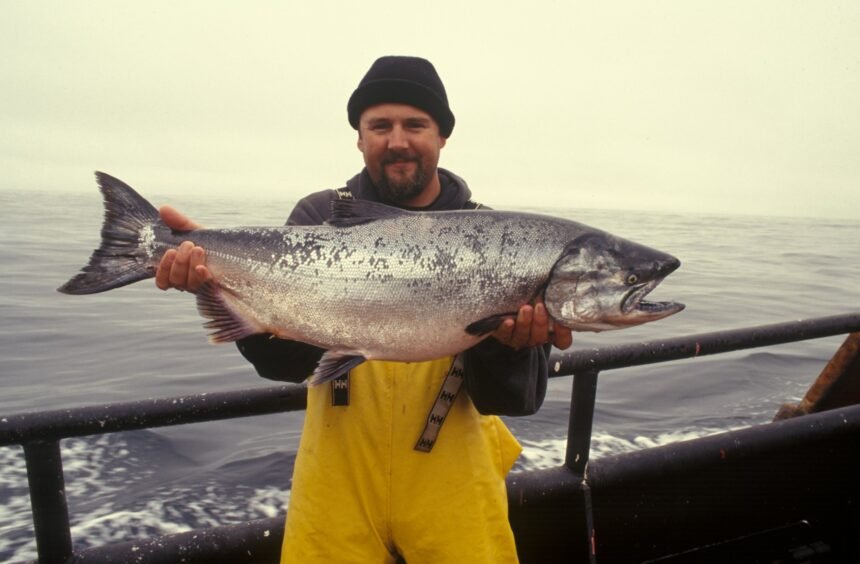
There is nothing quite like the rush of landing a massive chinook salmon or a shimmering Atlantic salmon after a long day on the water. For many anglers, these moments represent more than just sport; they are significant angling memories that deserve to be immortalised. However, once the adrenaline fades, a practical question remains: what is the actual salmon taxidermy cost?
Whether you are looking to commemorate a personal best or a child’s first catch, understanding the financial investment involved in preserving a catch is essential. The price can vary significantly based on the method used, the size of the fish, and the level of artistry required. In this guide, we will break down everything you need to know about taxidermist fees and how to get the best value for your trophy fish.
Why Does Salmon Taxidermy Cost Vary?
Much like any bespoke piece of art, the cost of taxidermy is not fixed. Several factors influence the final quote you receive from a professional. According to the British Taxidermy Guild, the complexity of the specimen and the materials used play a major role in pricing.
Taxidermists typically charge by the linear inch (or centimetre in the UK), but “extras” can quickly add up. These factors include:
- The size of the fish: Larger specimens require more materials and more hours of labour.
- The type of mount: Are you choosing a traditional skin mount or a modern fibreglass replica?
- Customisation: Adding a drift wood base or a complex wall mount scene will increase the price.
- Artistic Reputation: Award-winning artists who frequent the World Taxidermy Championships will naturally charge a premium for their expertise.
Skin Mounts vs. Fibreglass Replicas
When investigating salmon taxidermy cost, you must first decide between a skin mount and a replica. Each has its own set of pros and cons regarding aesthetics, longevity, and price.
The Traditional Skin Mount
A skin mount involves using the actual skin of the fish you caught, stretched over a foam form. This is often preferred by traditionalists who want their physical catch on the wall. However, salmon skins are notoriously oily. Over time, these oils can leak, causing the custom painting to yellow or the skin to shrink. Maintenance is key here to ensure the Smithsonian-level quality of your display.
The Modern Fibreglass Replica
Replicas are becoming the industry standard for sockeye salmon and other oily species. The taxidermist uses measurements and photographs of your fish to create a life-like 1:1 model. This allows for “catch and release” fishing, which is highly encouraged by the Environment Agency and the Salmon & Trout Conservation group to maintain healthy fish populations.
Estimated Salmon Taxidermy Cost Breakdown
To help you budget for your next project, we have compiled a table showing the average fish mount price ranges based on standard industry rates in the UK and internationally.
| Service Type | Average Cost (per Inch) | Estimated Total (30-inch Salmon) | Primary Benefit |
|---|---|---|---|
| Standard Skin Mount | £15 – £25 | £450 – £750 | Uses the actual fish skin |
| Fibreglass Replica | £20 – £35 | £600 – £1,050 | Extreme durability; allows release |
| Museum Quality Custom | £40+ | £1,200+ | Highly detailed, custom poses |
Hidden Costs to Consider
When you see a salmon taxidermy cost quoted, it often covers just the fish itself. It is vital to ask about additional expenses that may arise during the process:
- Shipping Costs: If your chosen taxidermist is not local, you will need to pay for insulated shipping to get the raw specimen to them, and crated shipping to get the finished mount back.
- Habitat Bases: A simple wooden plaque is usually included, but an elaborate underwater scene with gravel and vegetation will add to the taxidermist fees.
- Repair Work: If the fish was damaged during the fight or transport, the artist may charge extra for reconstructive work.
For those interested in the ecological data behind their catch, sites like FishBase provide fascinating insights into species growth, which can help you appreciate the rarity of your trophy.
The Value of Preserving the Moment
While the salmon taxidermy cost might seem high, many anglers view it as an investment in their mental well-being. The NHS and the Mayo Clinic both highlight the importance of hobbies and connecting with nature for stress reduction. Having a visual reminder of a successful day on the river can provide a lasting sense of accomplishment.
Furthermore, supporting the industry helps organisations like the Angling Trust and the National Taxidermists Association continue their work in education and conservation. By choosing a reputable artist, you are ensuring that your trophy fish is treated with the respect it deserves, following ethical guidelines set by groups like the Wildlife Conservation Society.
How to Maintain Your Salmon Mount
Once you have invested in your mount, taxidermy maintenance is crucial to protect your investment. Dust is the primary enemy of a clean mount. Use a soft feather duster or a damp cloth (not wet) to gently clean the fins and scales. Avoid placing your mount in direct sunlight, as UV rays can cause the colour of the custom painting to fade over time. For more on the science of light and biological specimens, check out resources on Nature or National Geographic.
Frequently Asked Questions (FAQs)
How long does salmon taxidermy take?
Depending on the taxidermist’s backlog and the complexity of the mount, it can take anywhere from six months to over a year. The drying process for skin mounts and the meticulous layers of custom painting required for replicas take significant time to perfect.
Can I get a mount made from an old photo?
Yes! This is the beauty of a fibreglass replica. As long as you have the measurements (length and girth) and high-quality photographs, a skilled artist can recreate a fish you caught years ago. This is a popular way to revisit angling memories.
Is a replica more expensive than a skin mount?
Generally, yes. Replicas often have a higher salmon taxidermy cost because the taxidermist must purchase the blank mould and then perform extensive custom painting to match your specific fish. However, they last much longer and are more resistant to environmental changes.
Does the weight of the fish affect the price?
Usually, no. Most taxidermists base their price on the length of the fish. However, for exceptionally girthy chinook salmon, some artists may apply a small surcharge for the extra materials needed for the form.
How should I prepare my salmon for the taxidermist?
If you plan on a skin mount, keep the fish cool and wet. Wrap it in a damp towel, place it in a sealed plastic bag, and freeze it flat. Do not gut the fish, as this can ruin the skin. If you are opting for a replica, simply take clear photos from multiple angles against a measuring tape before releasing it back to the water, as suggested by the International Game Fish Association.
By understanding the factors behind salmon taxidermy cost, you can make an informed decision that balances your budget with your desire for a high-quality piece of wildlife art. Whether it sits in a study or a living room, a well-executed mount is a timeless tribute to the spirit of the water.