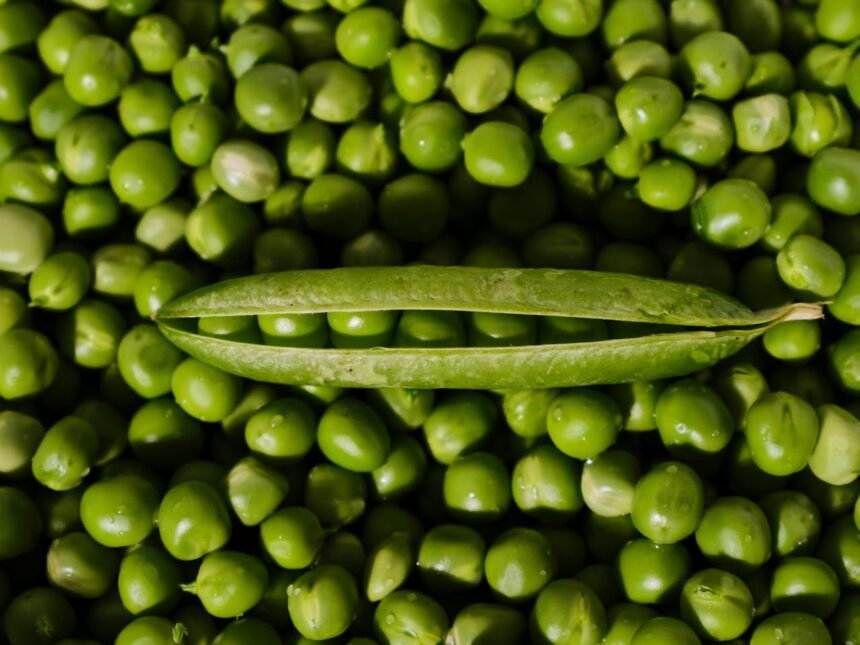
When we think of superfoods, we often focus exclusively on nutritional value—how much protein, fibre, or vitamin C a specific food provides. However, in an era increasingly defined by climate consciousness, the definition of a “superfood” is expanding to include environmental impact.
Enter the humble green pea. While it has been a staple of British Sunday roasts for generations, green pea sustainability is rapidly becoming a focal point for agricultural scientists and eco-conscious gardeners alike.
Beyond their sweet flavour and nutritional profile, peas (Pisum sativum) serve as distinct ecological powerhouses. Whether grown on a large agricultural scale or in a small backyard vegetable patch, these legumes offer profound benefits for soil health, water conservation, and carbon reduction.
This article explores the science behind the environmental benefits of growing green peas and offers practical tips for cultivating them sustainably at home.
The Biological Power of Nitrogen Fixation
To understand green pea sustainability, one must first understand the nitrogen cycle. Nitrogen is an essential nutrient for plant growth, but most crops cannot access the nitrogen gas abundant in our atmosphere. They rely on nitrogen available in the soil, which is often depleted by intensive farming.
Typically, conventional agriculture solves this by applying synthetic nitrogen fertilisers. However, the production and application of these fertilisers are energy-intensive and can lead to waterway pollution through runoff.
The Legume Advantage
Peas possess a remarkable biological trait known as nitrogen fixation. Through a symbiotic relationship with soil bacteria called Rhizobium, peas convert atmospheric nitrogen into a form that plants can use.
Here is how the process works:
- Infection: The bacteria enter the root hairs of the pea plant.
- Nodule Formation: The plant creates specialised structures called nodules on its roots to house the bacteria.
- Exchange: The plant provides carbohydrates (energy) to the bacteria. In return, the bacteria convert inert nitrogen gas into ammonia, a usable nutrient.
Because of this natural mechanism, peas require little to no synthetic nitrogen fertiliser. According to research from the Food and Agriculture Organization (FAO), including pulses like peas in crop rotation systems can improve the sustainability of cropping systems significantly.
By growing peas, you are actively reducing the demand for industrial chemicals, lowering the overall energy footprint of your food production.
Reducing Carbon Footprint and Greenhouse Gases
The global food system is responsible for a significant portion of greenhouse gas emissions. Shifting towards plant-based proteins is widely recognised as a vital step in mitigating climate change.
Peas stand out even amongst plant-based options. They have one of the lowest carbon footprints of any protein source. Unlike animal agriculture, which produces methane—a potent greenhouse gas—pea cultivation is relatively clean.
Comparative Carbon Cost
To put this into perspective, consider the carbon dioxide equivalents (CO2e) produced per kilogram of food. While figures vary by region and farming method, the general trend is stark.
| Food Source | Approx. GHG Emissions (kg CO2e per kg product) | Water Intensity |
|---|---|---|
| Beef | 60 – 99 | Very High |
| Poultry | 6 – 10 | Medium |
| Green Peas | 0.9 – 1.2 | Very Low |
Data from Our World in Data highlights that pulses, including peas, emit vastly less greenhouse gas per gram of protein compared to beef or lamb.
Furthermore, because peas do not require heavy fertilisation, they avoid the nitrous oxide emissions associated with fertiliser breakdown. Nitrous oxide is nearly 300 times more potent than carbon dioxide at trapping heat in the atmosphere, making the pea’s ability to self-fertilise a critical climate asset.
Water Efficiency and Drought Tolerance
Water scarcity is becoming a pressing issue globally, and agriculture accounts for approximately 70% of global freshwater withdrawals. Choosing crops that are water-efficient is a key component of sustainable living.
Green pea sustainability is bolstered by the crop’s relatively low water footprint. Peas are often rain-fed in the UK and other temperate climates, requiring minimal supplemental irrigation compared to thirsty crops like almonds or avocados.
Deep Root Systems
While green peas are often viewed as delicate, many varieties possess root systems that utilise soil moisture effectively. Once established, they are surprisingly resilient.
Evidence suggests that shifting diets towards pulses like peas could significantly reduce the water footprint of our daily consumption. For those interested in the broader nutritional context of these low-water crops, Healthline offers an in-depth look at their vitamin and mineral content.
Soil Regeneration and Biodiversity
Intensive monoculture (growing the same crop repeatedly) strips soil of nutrients and destroys its structure. Peas act as a restorative break crop.
Breaking Disease Cycles
In a crop rotation schedule, peas provide a necessary “break” that interrupts the lifecycle of pests and diseases that attack other families of plants, such as brassicas (cabbage family) or solanaceae (potatoes and tomatoes). This reduces the need for chemical pesticides.
Green Manure
Peas are often used as “green manure.” After the pods are harvested, the remaining plant material is rich in nitrogen. Instead of clearing the plants away, gardeners and farmers can chop them up and dig them back into the soil.
As the pea plants decompose, they release the stored nitrogen back into the earth, priming the soil for the next crop. This organic method of soil enrichment is championed by organisations like The Soil Association, which advocates for organic principles that work with nature rather than against it.
Supporting Pollinators
While many pea varieties are self-pollinating, open-pollinated varieties and sweet peas (a close relative) attract bees and other pollinators. By integrating legumes into a garden, you support local biodiversity above ground while improving soil biology below ground.
Practical Tips for Growing Sustainable Peas
If you are inspired to harness green pea sustainability in your own patch—whether it is an allotment or a balcony container—here is how to maximise their environmental benefits.
1. Choose the Right Variety
Select varieties suited to the UK climate to minimise the need for intensive care. Heritage or heirloom varieties are excellent for biodiversity.
- Earlies: Sown in spring for a quick harvest.
- Maincrop: Sown later, offering higher yields.
The Royal Horticultural Society (RHS) provides excellent guidance on selecting varieties that resist local pests, reducing the need for chemical interventions.
2. Practice No-Dig Gardening
To keep the carbon stored in your soil, avoid excessive tilling. When planting peas, disturb the soil as little as possible.
When the season ends, cut the pea plants at the base rather than pulling the roots out. Leaving the roots in the ground allows the nitrogen-fixing nodules to break down naturally, enriching the soil for your next planting.
3. Use Natural Supports
Avoid plastic netting. Pea shoots need support to climb. Use biodegradable materials such as:
- Hazel sticks or bamboo canes.
- Twine made from jute or hemp.
- Chicken wire (which is reusable for decades).
4. Companion Planting
Maximise efficiency by planting peas alongside crops that benefit from them. This is a core concept in permaculture.
- Potatoes: Peas can be grown near potatoes to maximise space.
- Carrots: The smell of onions or leeks can mask peas from pests, but peas also grow reasonably well near carrots.
According to Gardeners’ World, strategic pairing of crops can reduce pest pressure naturally.
5. Save Your Seeds
Sustainability includes self-sufficiency. Peas are one of the easiest crops for seed saving. By saving seeds from your healthiest plants, you develop a strain perfectly adapted to your specific microclimate over time.
The Role of Pulses in a Sustainable Future
The shift toward sustainable eating is not just about what we exclude from our diets, but what we include. The EAT-Lancet Commission on Food, Planet, Health emphasises that a transformation of the global food system is necessary to achieve the UN Sustainable Development Goals.
Legumes, including green peas, are identified as a “planetary health food.” They bridge the gap between human health and environmental stability. They provide high-quality protein without the massive resource drain associated with livestock.
Furthermore, growing peas helps combat soil degradation. The Department for Environment, Food & Rural Affairs (DEFRA) in the UK has increasingly recognised the importance of soil health in its environmental land management schemes, encouraging the use of nitrogen-fixing crops.
The Bottom Line
Growing green peas is a small act with significant environmental implications.
Green pea sustainability is multifaceted: these plants fix their own nitrogen, reduce the need for synthetic fertilisers, improve soil structure, and require far less water than animal protein sources.
For the home gardener, they offer a way to actively regenerate the soil while producing a nutritious crop. For the consumer, choosing peas is a vote for a food system that prioritises planetary health.
Whether you are sowing seeds in a window box or simply adding more plant-based protein to your diet, the green pea is a powerful ally in the fight for a greener future. It serves as a reminder that the solutions to our complex environmental challenges can sometimes be found in the most humble of places.
- Nitrogen Fixation: Peas naturally fertilise the soil.
- Low Carbon: A climate-friendly protein alternative.
- Soil Health: Roots prevent erosion and improve structure.
- Water Wise: Requires less irrigation than many other crops.
By embracing the green pea, we nourish not only ourselves but the earth that sustains us.