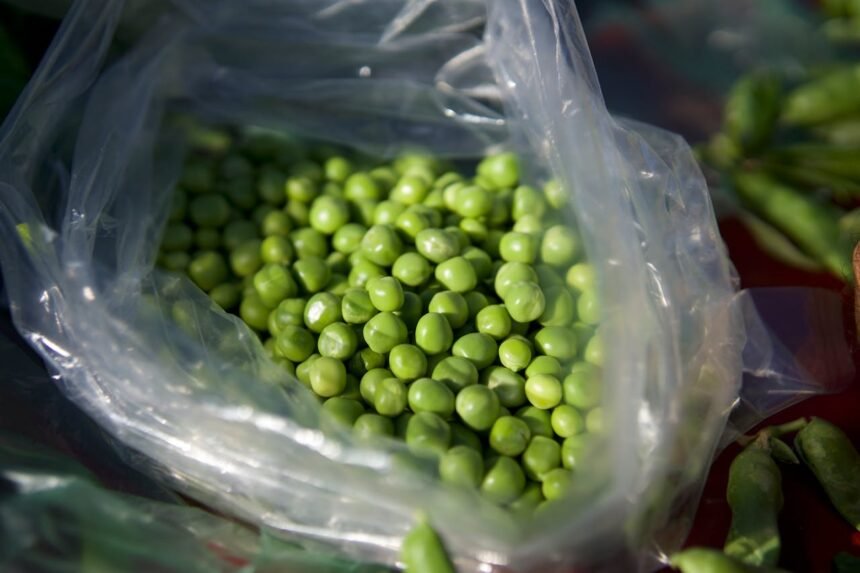
Green peas are a humble staple in many households across the United Kingdom. Whether served alongside a Sunday roast, mushy with fish and chips, or tossed into a vibrant salad, they are widely regarded as a nutritious vegetable. However, despite their reputation as a powerhouse of vitamins and fibre, there is an ongoing debate regarding green pea anti-nutrients.
For those with sensitive digestive systems or autoimmune conditions, compounds such as lectins and phytates can be a cause for concern. These naturally occurring substances, often termed ‘anti-nutrients,’ serve a protective role for the plant but may interfere with nutrient absorption in the human body.
In this article, we explore the science behind these compounds, analyse whether they pose a genuine risk to your health, and provide evidence-based strategies to reduce them through proper preparation.
Overview: What Are Green Peas?
Green peas (Pisum sativum) are technically legumes, although they are frequently prepared and consumed as vegetables. They are distinct from other legumes because they are harvested whilst the pod is still immature and the seeds are tender.
Nutritionally, they are impressive. A single serving provides a robust amount of protein, vitamins A, K, and C, and essential minerals like iron and manganese. However, like all legume seeds, they contain biological compounds designed to protect the seed from pests, fungi, and premature germination. These are the green pea anti-nutrients that have garnered attention in nutrition circles.
While the term ‘anti-nutrient’ sounds alarming, it is essential to approach this topic with nuance. For the vast majority of people, the benefits of eating peas far outweigh the potential downsides. Nevertheless, understanding how these compounds function is vital for optimising your diet.
The Primary Anti-Nutrients: Lectins and Phytates
To understand the potential impact of green peas on your digestion and mineral status, we must look closely at the two primary culprits: lectins and phytic acid.
1. Lectins: The Plant’s Defence Mechanism
Lectins are a family of proteins found in almost all plant foods, but they are particularly concentrated in legumes and grains. In nature, lectins act as a natural pesticide. They deter insects and animals from eating the seeds, ensuring the plant’s survival.
In the human body, lectins are defined by their ability to bind to carbohydrates. Some researchers suggest that when consumed in large quantities—particularly in raw or undercooked states—lectins can bind to the cells lining the digestive tract. This interaction may disrupt the barrier function of the intestinal wall, a condition often referred to in functional medicine as ‘leaky gut’.
Potential effects of high lectin intake include:
- Digestive distress: Bloating, gas, and abdominal pain.
- Nutrient malabsorption: Interference with the metabolism of proteins and carbohydrates.
- Immune response: In sensitive individuals, lectins may trigger an immune response, mimicking symptoms of food intolerance.
However, it is crucial to note that green peas contain significantly lower levels of lectins compared to other legumes like red kidney beans.
2. Phytates (Phytic Acid): The Mineral Blocker
Phytic acid, or phytate when bound to a mineral, is the principal storage form of phosphorus in many plant tissues. While phosphorus is essential for plant growth, phytic acid has a strong binding affinity for other minerals, specifically iron, zinc, calcium, and magnesium.
When you consume foods high in phytates, these molecules bind to minerals in your digestive tract, forming insoluble complexes that your body cannot absorb. This is why phytic acid is often blamed for mineral deficiencies in diets that rely heavily on grains and legumes without proper preparation.
According to Harvard T.H. Chan School of Public Health, phytates can block the absorption of iron and zinc, but they do not leach minerals already stored in your body; they merely inhibit the absorption of minerals from the meal currently being digested.
Nutritional Trade-Offs
It is rarely black and white in nutrition. While phytates reduce mineral absorption, they also function as antioxidants. Some studies suggest they may reduce the risk of kidney stones and protect against DNA damage.
| Compound | Primary Negative Effect | Potential Benefit |
|---|---|---|
| Lectins | May irritate gut lining; digestive discomfort. | May affect immune cell signalling; ongoing cancer research. |
| Phytates | Binds Iron, Zinc, Calcium (reduces absorption). | Antioxidant properties; may prevent calcification. |
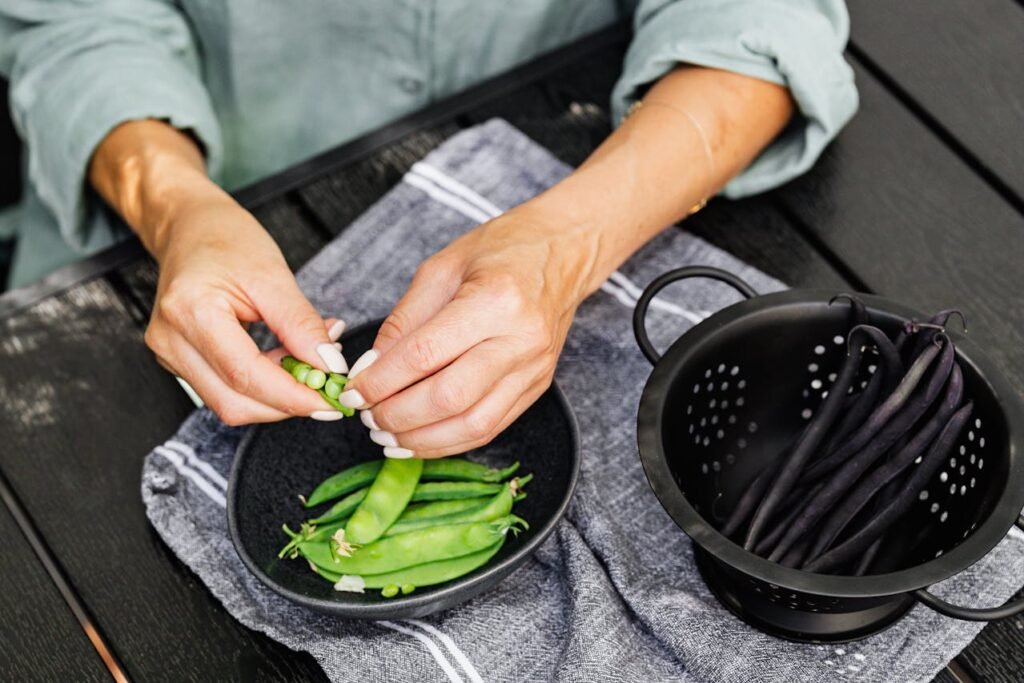
Factors Influencing Anti-Nutrient Levels
Not all peas are created equal. The concentration of green pea anti-nutrients depends heavily on the variety of the pea, the maturity of the plant, and the processing methods used before the peas reach your plate.
Maturity and Variety
Green peas are harvested when they are young and tender. This is a critical distinction. Mature, dried peas (used for split pea soup) generally contain higher concentrations of anti-nutrients than fresh garden peas. The younger the seed, the lower the accumulation of defensive compounds like phytates.
Storage and Processing
Frozen peas, which are flash-frozen shortly after harvest, often retain their nutritional profile well but still contain active lectins if not cooked. Canned peas, having undergone high-heat processing during the canning procedure, usually have lower levels of lectins compared to raw or simply frozen varieties, although they may be higher in sodium.
Treatment and Management: Reducing Anti-Nutrients
For most individuals, the goal is not to eliminate peas but to prepare them in a way that neutralises these compounds. Fortunately, lectins and phytates are sensitive to specific environmental conditions, particularly heat and water.
1. Thermal Processing (Cooking)
Heat is the most effective weapon against lectins. Boiling green peas significantly degrades lectin activity. Unlike dried beans, which require long soaking and boiling, the lectins in green peas are relatively unstable and break down quickly.
A study referenced by Healthline indicates that proper cooking methods can eliminate the vast majority of lectin activity, making legumes safe for consumption. Steaming is also effective, though boiling ensures consistent heat penetration throughout the pea.
2. Soaking (For Dried Peas)
If you are consuming dried peas rather than fresh green peas, soaking is non-negotiable. Soaking peas in water for 8–12 hours activates endogenous enzymes like phytase, which helps break down phytic acid. Discarding the soaking water removes the leached anti-nutrients. While less necessary for fresh garden peas, rinsing canned peas is good practice to remove excess sodium and starchy residues.
3. Fermentation and Sprouting
While less common for standard garden peas, sprouting reduces phytate levels drastically. During the sprouting process, the seed breaks down its phytate stores to use the phosphorus for growth, freeing up the bound minerals (iron, zinc, and calcium) and making them bioavailable for humans.
Practical Tips for Dietary Inclusion
If you enjoy peas but are worried about green pea anti-nutrients, specific dietary strategies can mitigate the risks while maximising the benefits.
Pair with Vitamin C
To counteract the mineral-binding effects of phytates, pair your peas with foods high in Vitamin C. Vitamin C (ascorbic acid) is a powerful enhancer of non-haem iron absorption. It can effectively override the inhibitory effect of phytic acid.
Try these combinations:
- Peas with a squeeze of lemon juice.
- Peas served alongside peppers or tomatoes.
- Peas in a salad with a citrus vinaigrette.
Digestive Support
If you find that peas cause bloating despite cooking, consider your portion sizes. Introduce them gradually into your diet to allow your gut microbiome to adjust to the fibre and carbohydrate profile.
Additionally, over-the-counter digestive enzymes containing alpha-galactosidase can help break down the complex sugars in peas that often contribute to gas, distinguishing this issue from lectin sensitivity.
Who Should Avoid Green Peas?
While rare, some individuals may need to restrict their intake:
- Gout Sufferers: Peas contain purines, which increase uric acid. The Mayo Clinic often advises moderation in purine-rich vegetables for those managing gout flares.
- Severe IBS or Autoimmune Conditions: Those following strict elimination diets (like the Autoimmune Protocol – AIP) often exclude all legumes, including peas, to minimise any potential gut irritation from lectins.
The Bottom Line
Are green pea anti-nutrients a reason to banish this vegetable from your plate? For the vast majority of the population, the answer is a resounding no.
Green peas are a nutrient-dense food source, offering high levels of plant-based protein, fibre, and essential micronutrients. The presence of lectins and phytates is a natural characteristic of the legume family, but these compounds are largely neutralised through standard cooking methods like boiling and steaming.
The potential negative effects on mineral absorption are generally minimal in the context of a varied, balanced diet. By cooking your peas thoroughly and pairing them with Vitamin C-rich foods, you can enjoy their sweet flavour and health benefits without compromising your nutritional status.
As with all dietary matters, listen to your body. If you experience discomfort, adjust your preparation methods or portion sizes. For most, however, the humble green pea remains a healthy addition to a balanced lifestyle.
Further Reading and References
- Healthline: Green Peas: Healthy or Harmful?
- Harvard Health: Are Anti-Nutrients Harmful?
- National Institutes of Health (NIH): Dietary Lectins: Gastrointestinal and Immune Effects
- WebMD: Health Benefits of Peas
- Medical News Today: What to know about Leaky Gut Syndrome
- NutritionFacts.org: Phytates for the Prevention of Osteoporosis
- NHS UK: Eat Well – Beans and Pulses
- Mayo Clinic: Gout Diet: What’s Allowed, What’s Not
- Cleveland Clinic: Lectins and the Autoimmune Diet
- Journal of Food Science: Effect of processing on antinutrients in legumes