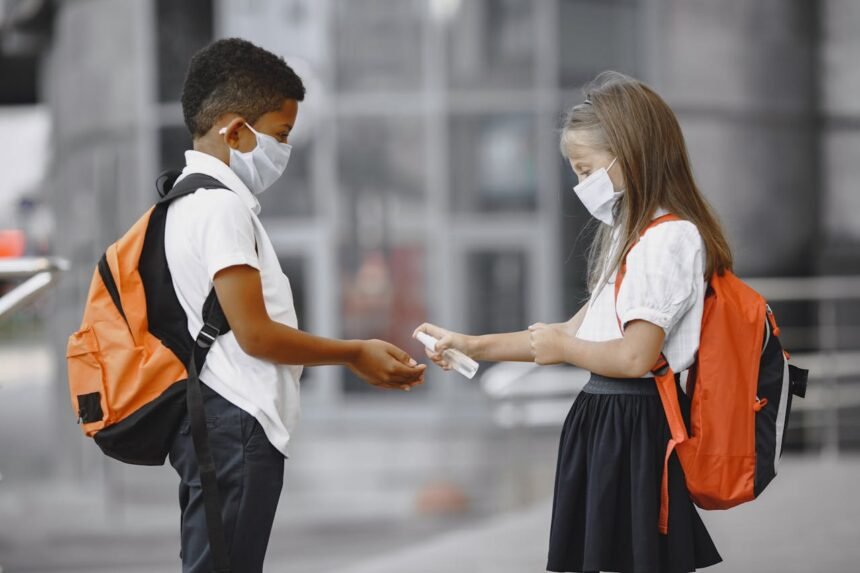
As any parent knows, the start of the school term often signals the beginning of ‘cough and cold’ season. Schools are bustling hubs of learning and socialising, but they are also perfect breeding grounds for bacteria and viruses. With hundreds of children interacting in close quarters, sharing equipment, and often forgetting basic hygiene practices, it is no surprise that illness spreads rapidly.
Understanding where germs lurk and how to mitigate the risks is essential for maintaining your family’s health. This comprehensive guide explores the reality of school germs*, identifies the **most germ-ridden places in school**, and provides practical advice on *how to protect children from school germs.
The Reality of the Classroom Environment
Schools are naturally high-contact environments. A single child touches countless surfaces throughout the day—door handles, desks, pencils, and playground equipment—before inevitably touching their face, mouth, or eyes.
Research indicates that viruses can survive on hard surfaces for hours, sometimes even days. In a busy classroom, this creates a continuous cycle of contamination. While exposure to some germs helps build a robust immune system, minimizing exposure to harmful pathogens is key to reducing sickness absence.
According to the UK Health Security Agency, keeping children in school is vital for their development, but managing hygiene is equally important to stop the spread of infectious diseases like the flu and norovirus.
Where Do Germs Hide? (The Hotspots)
Many parents assume the school toilets are the dirtiest place in the building. However, thanks to rigorous cleaning schedules, toilets are often cleaner than other unexpected areas. Here are the true germ hotspots in classrooms and school grounds.
1. The Classroom Desk
Believe it or not, the average school desk can harbour more bacteria than a toilet seat. Desks are used constantly for eating, sneezing, coughing, and working. They are not always wiped down with disinfectant daily, allowing bacteria to accumulate.
2. Water Fountains
School water fountain hygiene is a significant concern. The spigot is often touched by mouths, fingers, or dirty water bottles, creating a moist environment where bacteria thrive.
> “Public water fountains are often overlooked sources of contamination. Encourage your child to run the water for a few seconds before drinking or, better yet, bring a personal water bottle.”
3. Shared Classroom Supplies
Items like pencil sharpeners, art supplies, and computer keyboards are shared by dozens of pupils daily. These high-touch objects are rarely cleaned thoroughly between uses.
4. Playground Equipment
Outdoor play is vital, but climbing frames and swing sets are rarely sanitised. Birds and other wildlife can also contribute to the dirt found on outdoor surfaces.
Common School Illnesses in the UK
Being aware of common school illnesses UK parents face helps in early detection and treatment.
* The Common Cold: The most frequent culprit, caused by rhinoviruses. Symptoms include runny noses and sore throats. You can find more details on managing this at the NHS Common Cold page.
Norovirus:** Known as the ‘winter vomiting bug’, this is highly contagious. *Preventing spread of norovirus in schools requires strict hand hygiene, as alcohol gels are often ineffective against it.
* Influenza (Flu): More severe than a cold, causing fever and aching muscles. The NHS Flu vaccine is the best defence.
* Threadworms: Common in young children and spread through inadequate hand washing after toilet use.
* Chickenpox: A classic childhood illness that spreads easily through coughs and sneezes.
The First Line of Defence: Effective Hand Washing
Proper hand hygiene is the single most effective way to stop the spread of infection. However, a quick rinse under water is not enough. We must focus on teaching proper hand washing techniques for kids.
The 20-Second Rule
Teach your child to wash their hands for at least 20 seconds—roughly the time it takes to sing ‘Happy Birthday’ twice. They should use warm water and soap, paying attention to:
* The backs of the hands.
* Between the fingers.
* Under the fingernails.
For a visual guide, the World Health Organization offers excellent resources on hand hygiene standards.
Hygiene Habits for the Home
Your defence* against school germs continues when your child walks through the front door. Implementing a *hygiene checklist for parents can stop school bugs from invading your home.
Cleaning School Uniforms Properly
Uniforms are magnets for dirt and bacteria. Children sit on floors, wipe hands on trousers, and play in the grass.
* Wash Regularly: Ideally, shirts and trousers should be washed after every wear, though this can be difficult. Blazers and jumpers should be washed weekly.
* Temperature Matters: To kill bacteria, wash clothes at 60°C where the fabric allows. If washing at lower temperatures, consider adding a laundry cleanser.
* Shoes: Leave school shoes at the door to prevent tracking bacteria across your floors.
Lunchbox Hygiene Tips
Old food particles and moisture make lunchboxes a haven for mould and bacteria. According to the Food Standards Agency, keeping food cool is vital.
- Clean Daily: Wipe the inside of the lunchbox with hot soapy water or an antibacterial spray every day.
- Use Ice Packs: Bacteria multiply rapidly at room temperature. An ice pack keeps food safe until lunchtime.
- Discard Leftovers: Do not reuse perishable food that comes home uneaten.
Cleaning School Bags
Cleaning school bags is often neglected. A bag travels from the school floor to the bus floor, and then potentially to your kitchen table.
* Empty it Weekly: Shake out crumbs and tissues.
* Wipe Down: Use an antibacterial wipe on the base and handles.
* Machine Wash: If the material allows, pop it in the washing machine once a term.
Boosting Immunity Naturally
While avoiding germs is important, boosting child immunity naturally ensures their bodies can fight off infections when they do occur.
Nutrition
A balanced diet is crucial. The British Nutrition Foundation suggests a diet rich in fruits, vegetables, and whole grains to provide essential vitamins.
* Vitamin C: Found in citrus fruits and peppers.
* Zinc: Found in meat, dairy, and seeds.
Sleep
Sleep is when the body repairs itself. A tired child is more susceptible to illness. The Sleep Charity recommends that primary school children get between 9 and 12 hours of sleep a night.
Fresh Air
The importance of ventilation in schools cannot be overstated, but you can also ensure fresh air at home. Keep windows cracked open to circulate air and reduce viral loads indoors. The Department for Education emphasises ventilation as a key control measure against respiratory illnesses.
The Role of the School
It is reasonable to ask about classroom cleanliness standards. Schools in the UK must follow guidelines set by the Health and Safety Executive (HSE). This includes regular cleaning of surfaces and ensuring access to soap and hot water.
However, teaching children about bacteria is a shared responsibility. Schools often run programmes, but reinforcement at home is vital. Resources from UNICEF highlight how sanitation education improves overall child health.
Frequently Asked Questions
1. How often should I wash my child’s winter coat?
Winter coats should be washed at least once a month during the school term. They often end up on classroom floors or pressed against other coats on pegs, picking up lice or germs. Check the care label and wash as hot as the fabric permits.
2. Can hand sanitiser replace washing with soap and water?
Not entirely. While hand sanitiser is excellent for on-the-go hygiene, it does not kill all types of germs (such as norovirus) and is less effective when hands are visibly dirty. Soap and water is always the gold standard, as supported by the Centers for Disease Control and Prevention (CDC).
3. What is the ‘Catch It, Bin It, Kill It’ campaign?
This is a UK government initiative to reduce the spread of respiratory viruses. It teaches children to catch coughs and sneezes in a tissue, bin the tissue immediately, and kill the germs by washing their hands. You can read more about respiratory hygiene from NICE.
4. How long should my child stay off school if they are sick?
For vomiting or diarrhoea, the standard advice is to stay off for at least 48 hours after the last episode to prevent infecting others. For high temperatures, they should stay home until they feel better and the fever has gone.
5. Are antibacterial cleaning products necessary for lunchboxes?
Hot soapy water is usually sufficient if used thoroughly. However, if the lunchbox contained raw meat or has developed an odour, an antibacterial spray or a solution of water and white vinegar can help ensure it is sterile.
Conclusion
We cannot wrap our children in cotton wool, nor should we. Exposure to the world is part of growing up. However, by understanding the environment of school germs and implementing these practical hygiene strategies, we can significantly reduce the frequency of illness in our homes.
From mastering hand washing techniques for kids* to ensuring you are *cleaning school uniforms properly, small changes make a big difference. Stay vigilant, keep communicating with your school about their hygiene policies, and focus on building a strong immune system through good food and rest.
For further reading on public health matters, visit Gov.uk.