When we think about foods that protect our sight, the humble carrot often takes centre stage. However, there is a tropical powerhouse that might actually deserve the spotlight. If you have ever wondered, “Can eating guava improve your eye health?”, the answer is a resounding yes. This vibrant fruit is packed with essential nutrients that do more than just provide a sweet snack; they act as a biological shield for your vision.
In an era where digital eye strain and age-related vision issues are on the rise, looking toward nature’s pantry is a smart move. Guava is uniquely positioned as one of the most nutrient-dense fruits available, offering a specific cocktail of vitamins and minerals designed to keep your retinas healthy and your vision sharp. Let’s dive into why this fruit should be a staple in your diet for better ocular health.
The Nutritional Profile: Why Guava is an Eye Health Hero
Guava is often celebrated for its incredibly high Vitamin C content—even higher than oranges—but its benefits for the eyes stem from its diverse array of phytochemicals. When discussing guava benefits for eyes, we must look at its rich concentration of Vitamin A, Vitamin C, and various flavonoids. These components work synergistically to neutralise oxidative stress, which is a primary cause of visual decline.
According to the NHS, Vitamin A is crucial for maintaining good vision, particularly in low light. Guava provides a healthy dose of this essential nutrient, helping to protect the cells in your eyes and preventing the drying of the cornea.
The Power of Antioxidants for Vision
Our eyes are constantly exposed to environmental stressors, from UV rays to blue light from screens. This exposure creates free radicals—unstable molecules that damage eye tissue. Utilising antioxidants for vision is one of the most effective ways to combat this damage. Guavas are loaded with carotene and polyphenols, which help maintain the structural integrity of the ocular membranes.
Can Eating Guava Improve Your Eye Health? The Top 5 Benefits
To understand the full impact of this fruit, we need to look at the specific conditions it helps to manage or prevent. Here are five ways guava supports your visual longevity:
- Prevention of Night Blindness: The high Vitamin A content ensures that the retina remains sensitive to light, allowing for better transition from bright environments to dark ones.
- Slowing Cataract Formation: By reducing oxidative stress, the nutrients in guava help prevent the proteins in the eye lens from clumping together, which is the primary cause of cataracts.
- Macular Protection: Guava contains lycopene and other carotenoids that help shield the macula—the part of the eye responsible for central, detailed vision.
- Reducing Inflammation: Chronic inflammation can lead to various eye diseases. Guava’s anti-inflammatory properties help keep the blood vessels in the eyes healthy.
- Hydration and Pressure: The high water and potassium content in guava helps regulate fluid balance, which is vital for maintaining healthy intraocular pressure.
Comparing Guava to Other Eye-Healthy Fruits
While many fruits offer benefits, guavas often outperform the “classics” in terms of density. When searching for Vitamin A rich fruits, many people overlook guava in favour of mangoes or cantaloupe, but guava offers a unique balance of Vitamin A and C that is hard to beat.
| Nutrient (per 100g) | Guava | Orange | Carrot (Raw) |
|---|---|---|---|
| Vitamin C | 228 mg | 53 mg | 5.9 mg |
| Vitamin A (IU) | 624 IU | 225 IU | 16,706 IU |
| Dietary Fibre | 5.4 g | 2.4 g | 2.8 g |
Protecting Against Age-Related Decline
As we age, the risk of Macular Degeneration (AMD) increases significantly. This condition is the leading cause of vision loss in older adults. Preventing macular degeneration requires a diet rich in specific pigments that filter out harmful light. While leafy greens are the primary zeaxanthin and lutein sources, guava provides a supporting cast of antioxidants like lycopene that protect the vascular system of the eye.
Research published in Nature suggests that diets high in antioxidant-rich fruits are associated with a lower risk of chronic degenerative conditions. By incorporating guava into your daily routine, you are providing your body with the raw materials needed to repair ocular tissues and defend against the effects of aging.
Whole Foods vs. Supplements
Many people turn to pills to boost their vision, but when considering eye health supplements vs whole foods, nutritionists often prefer the latter. Whole fruits like guava provide “synergistic nutrition”—the vitamins, minerals, and fibres work together in a way that isolated supplements cannot replicate. The Mayo Clinic emphasises that while supplements can help, a balanced diet is the foundation of eye health.
How to Incorporate Guava into Your Diet
Understanding tropical fruit nutrition is only helpful if you know how to enjoy the fruit. Guava is versatile and can be eaten in several ways to ensure you get the maximum benefit:
- Raw and Whole: The skin contains more Vitamin C than the flesh, so eating the whole fruit (after a good wash) is ideal.
- In Salads: Sliced guava adds a tropical twist to a standard fruit salad or even a spinach-based green salad.
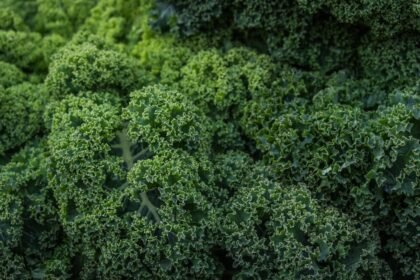
- Smoothies: Blend guava with other sight-saving foods like blueberries and kale for a morning vision boost.
- Guava Juice: Ensure it is fresh and unsweetened to avoid the negative effects of processed sugar.
It is important to note that while guava is incredibly healthy, it should be part of a broader strategy for eye care. Regular check-ups with an optician are essential. As noted by Harvard Health, no single food can “cure” vision problems, but the right nutrients can significantly lower your risk of developing them.
Frequently Asked Questions (FAQs)
Can guava help improve my eyesight if I already wear glasses?
While eating guava cannot correct refractive errors like nearsightedness or astigmatism (which require glasses or surgery), it can improve the overall health of your eye tissues. This may lead to better clarity, reduced strain, and protection against further deterioration caused by oxidative stress.
Are the seeds in guava safe to eat for eye health?
Yes, guava seeds are entirely edible and contain healthy fats and fibre. While the seeds themselves aren’t the primary source of eye-specific vitamins, they contribute to overall digestive health, which helps your body better absorb the nutrients necessary for eye repair.
How many guavas should I eat daily to see a difference?
There is no magic number, but including one medium-sized guava in your diet 3 to 4 times a week is an excellent way to boost your antioxidant intake. Consistency is key when it comes to nutritional support for the eyes.
Does pink guava offer more benefits than white guava?
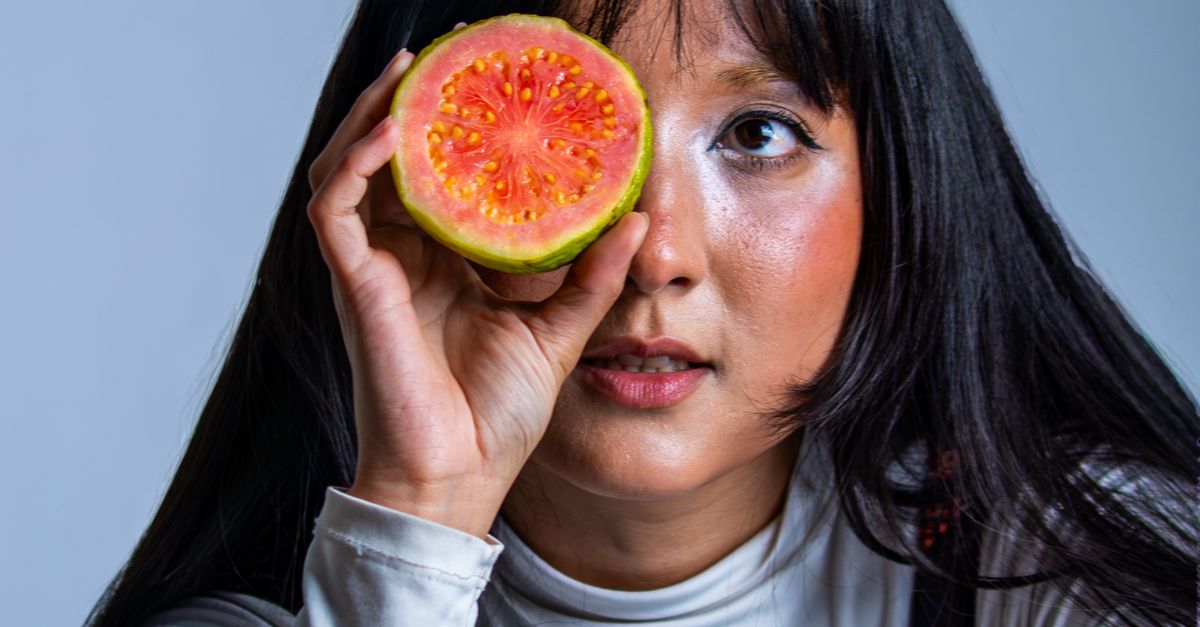
Pink guavas generally contain more lycopene, a powerful antioxidant that helps protect against UV damage. While both varieties are excellent for preventing macular degeneration, the pink variety offers a slight edge due to these extra carotenoids.
The Final Word
The question of “Can eating guava improve your eye health?” has a clear answer: absolutely. By providing a rich supply of Vitamin A, Vitamin C, and protective antioxidants, guava serves as a delicious and natural way to safeguard your vision for the future. For more information on maintaining your sight as you age, consult resources like the American Academy of Ophthalmology to build a comprehensive plan for your ocular well-being.