Known for its striking reddish-brown “furry” skin and its dense, valuable wood, the Diospyros blancoi—commonly referred to as the Mabolo or Velvet Apple—is a tropical gem. Native to the Philippines, this member of the Ebenaceae family is as much a visual showstopper as it is a productive fruit tree. Whether you are interested in its unique Kamagong timber or its creamy, cheese-scented fruit, mastering Diospyros blancoi care is the first step toward success.
Cultivating this tree requires a bit of patience and an understanding of its tropical origins. While it is traditionally found in the humid lowlands of Southeast Asia, gardeners around the world are increasingly incorporating it into their edible landscape designs. In this guide, we will explore the nuances of keeping this tree healthy, from soil requirements to pest management for fruit trees.
Understanding the Velvet Apple Tree
The velvet apple tree is a slow-growing evergreen that can reach impressive heights in the wild, though it remains more manageable in a domestic garden setting. Its leaves are dark green, leathery, and possess a distinct silvery underside. Before you dive into Diospyros blancoi care, it is helpful to note that these trees are often dioecious, meaning you may need both a male and female tree if you intend to harvest fruit, unless you opt for grafted varieties.
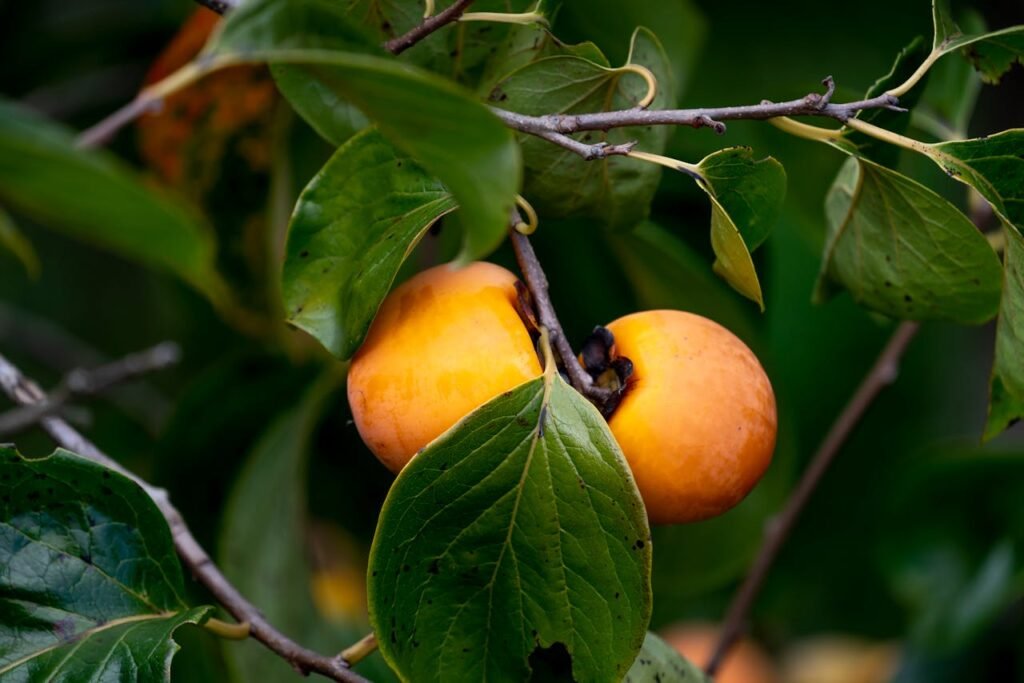
The fruit itself is a nutritional powerhouse. According to research on phytochemical properties, the Mabolo is rich in calcium, vitamin B, and iron. However, beginners should be aware of its aroma; the skin has a pungent, cheese-like scent that some find off-putting, though the flavour of the white pulp is sweet and mild, reminiscent of a banana-apple cross.
Diospyros blancoi: Quick Comparison
When starting your journey, you must choose between growing from seed or purchasing a sapling. Here is how they compare:
| Feature | Seed Propagation | Grafted Saplings |
|---|---|---|
| Time to Fruit | 6–10 years | 3–5 years |
| Tree Size | Can become very tall | More compact/predictable |
| Fruit Quality | Variable | Consistent and superior |
| Hardiness | High initial mortality | Stronger root systems |
The Essentials of Diospyros blancoi Care
Sunlight and Climate Requirements
To thrive, the Mabolo demands a tropical or subtropical climate. It loves the heat and requires full sun for optimal fruit production. If you live in a cooler region, winter protection for tropicals is non-negotiable. While a mature tree can handle a very light, brief frost, young trees are extremely sensitive to cold. According to the Royal Botanic Gardens, Kew, maintaining a warm, humid environment is the most critical factor in Diospyros blancoi care.
Soil and Water Needs
The ideal soil pH for tropical trees like the Mabolo sits between 6.0 and 7.5. It prefers deep, well-draining loamy soil rich in organic matter. While it can tolerate a variety of soil types, including limestone-heavy areas, it will not survive in waterlogged conditions. Tropical fruit tree cultivation relies on consistent moisture; however, you must allow the top inch of soil to dry out between waterings to prevent root rot.
Nutrient Management
Regular organic fertilisation is key to maintaining the health of your Diospyros blancoi. During the growing season, apply a balanced fertiliser every two to three months. Supplementing with composted manure can help mimic the nutrient-rich forest floors of its natural habitat. For specific guidance on safe fertiliser use, the NHS and other health authorities suggest wearing gloves to avoid skin irritation from chemical additives.
Advanced Care: Pruning and Propagation
Pruning Fruit Trees for Health
Pruning fruit trees is an essential skill for any Mabolo grower. You should focus on removing dead or diseased wood and thinning out the centre of the canopy to improve air circulation. This not only keeps the tree at a manageable height but also reduces the risk of fungal infections. Strategic pruning also encourages the growth of new fruiting wood.
Methods of Propagation
While seed propagation is common, it is often a gamble regarding the sex and fruit quality of the resulting tree. For the best results in a home garden, many experts recommend Royal Horticultural Society approved grafting techniques. This ensures you get the exact mabolo fruit benefits and flavours you desire from a known parent tree.
- Seeds: Must be planted fresh as they lose viability quickly.
- Grafting: Cleft grafting is most successful during the early spring.
- Air Layering: A viable but slower method for clonal propagation.
Managing Pests and Common Problems
Like many tropical species, the Mabolo can fall victim to fruit flies, mealybugs, and scales. Effective pest management for fruit trees involves regular inspections of the silvery undersides of the leaves. If you notice an infestation, horticultural oils or neem oil sprays are often sufficient for control. For more information on identifying specific agricultural pests, visit the Australian Department of Agriculture.
If you notice yellowing leaves despite regular watering, check your soil pH. Nutrient lockout can occur if the soil becomes too alkaline, preventing the tree from absorbing essential minerals. Always refer to authoritative botanical sources like the Missouri Botanical Garden for diagnostic help.
Harvesting and Storing Velvet Apples
Harvesting velvet apples requires a gentle touch. The fruit is ready when the skin turns a deep reddish-purple and the “fuzz” rubs off easily. You should pick them by hand to avoid bruising the delicate flesh. Once harvested, the fruit can be stored at room temperature for a few days or refrigerated to extend its shelf life. Before eating, many people choose to remove the skin to reduce the musky aroma, focusing on the creamy pulp that offers numerous nutritional benefits.
Growing Diospyros blancoi in Smaller Spaces
Can you manage Diospyros blancoi care if you don’t have a massive garden? Growing fruit in containers is possible, but it requires a very large pot and diligent pruning fruit trees habits to keep the size in check. A container-grown Mabolo will need more frequent watering and a more precise fertilisation schedule as nutrients leach out of pots more quickly than the ground. For those in the UK, Gardeners’ World offers excellent tips on managing large tropicals in pots.
Conservation and Status
The Diospyros blancoi is not just a food source; its wood, the Kamagong, is one of the densest and rarest in the world. Due to over-harvesting for timber, the species is closely monitored. According to the IUCN Red List, sustainable cultivation in home gardens is actually a positive step toward preserving the genetic diversity of this remarkable tree.
Frequently Asked Questions (FAQs)
How do I get rid of the smell of the fruit?
The “cheesy” smell is concentrated in the velvet-like skin. To enjoy the fruit without the odour, simply peel the fruit completely and discard the skin. The flesh inside has a much milder, pleasant fragrance. Some also suggest chilling the fruit before eating to further dull the scent.
Is Diospyros blancoi self-pollinating?
Generally, no. Most velvet apple trees are dioecious. However, some grafted varieties are specifically selected for being hermaphroditic or self-fertile. If you only have space for one tree, ensure you purchase a self-fertile cultivar from a reputable nursery.
How long does it take for a Mabolo tree to produce fruit?
If grown from seed propagation, expect to wait between 6 and 10 years. If you start with grafted varieties, you could see your first harvest in as little as 3 to 5 years, provided you follow a strict Diospyros blancoi care regimen.
Can I grow the Velvet Apple in the UK?
Growing it outdoors year-round in the UK is not possible due to the frost. However, it can be grown in a large, heated conservatory or greenhouse where temperatures do not drop below 15°C. For guidance on indoor tropicals, check the Encyclopaedia Britannica for climate zone comparisons.
Conclusion
While Diospyros blancoi care may seem daunting to the novice gardener, the reward of harvesting your own velvet apples is well worth the effort. By focusing on sun, soil, and consistent warmth, you can successfully grow this exotic species. For further reading on the medicinal potential of tropical fruits, you may explore resources at Mayo Clinic or the National Institutes of Health. Remember that every tree is an investment in biodiversity and a unique addition to your horticultural collection.
For more data on global agricultural standards for tropical crops, visit the Food and Agriculture Organization or read the latest plant science updates on Nature.com.