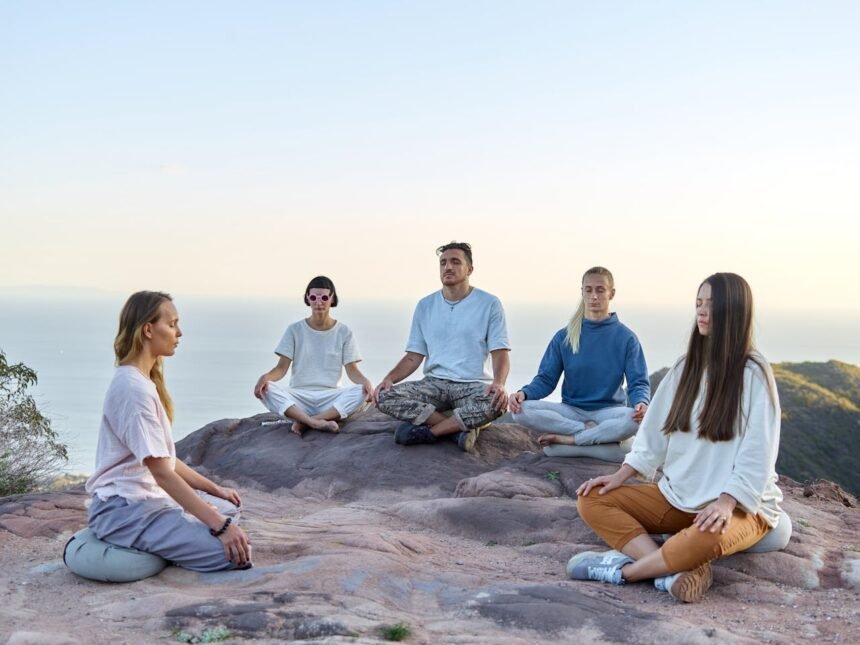
If you have ever felt overwhelmed by the pace of modern life, you are not alone. Our minds are often cluttered with worries about the future or regrets about the past, leaving little room for the here and now. This is where mindfulness for beginners becomes a transformative tool. Far from being a mystical or complex ritual, mindfulness is a practical way to foster present moment awareness and reclaim your mental clarity.
At its core, mindfulness is the simple act of paying attention to the current moment without judgment. By learning how to settle the mind, you can improve your psychological well-being and develop emotional regulation skills that help you navigate life’s inevitable ups and downs. Whether you are looking for anxiety relief or simply want to feel more grounded, this guide will show you how to start your wellness journey today.
What Exactly is Mindfulness?
Mindfulness is often confused with meditation, but they are slightly different concepts. While meditation is a formal practice, mindfulness is a quality of being. It is about conscious living—the ability to be fully present in whatever you are doing, from washing the dishes to sitting in a high-stakes meeting. The NHS describes it as knowing what is going on inside and outside ourselves, moment by moment.
When you engage in mindfulness for beginners, you are essentially training your brain to focus. This strengthens the mind-body connection, allowing you to recognise physical sensations and emotional triggers before they become overwhelming. Research published in Nature Reviews Neuroscience suggests that consistent practice can lead to structural changes in the brain areas associated with attention and emotion.
The Difference Between Mindfulness and Meditation
To help you understand how these meditation practices overlap, consider the following comparison:
| Feature | Mindfulness | Meditation |
|---|---|---|
| Definition | A state of active, open attention on the present. | A formal practice to achieve a specific mental state. |
| Duration | Can be practiced all day long, in any setting. | Usually involves set sessions (e.g., 10–20 minutes). |
| Goal | Awareness during daily activities. | Deep relaxation or mental clarity. |
| Accessibility | Very high; no equipment or quiet room needed. | High; but often requires a quiet space. |
By incorporating mindfulness for beginners into your mental wellness routine, you can begin to see the world with fresh eyes. This practice encourages self-compassion, helping you to stop being your own harshest critic.
How to Practise Mindfulness: A Step-by-Step Guide
You do not need to be an expert to start. In fact, “beginner’s mind” is a core concept in mindfulness for beginners. It means approaching the practice with curiosity and openness. Here are some simple stress reduction techniques to get you started on your holistic health path:
- Start Small: Dedicate just five minutes a day to quiet observation. Consistency is more important than duration when building daily habits.
- Focus on Breath: Use breathwork exercises to anchor yourself. Notice the air entering your nostrils and the rise of your chest. If your mind wanders, gently bring it back. For more on this, explore breathing techniques.
- Observe Your Thoughts: Imagine your thoughts are clouds passing through a blue sky. You are the observer, not the cloud itself. This helps with emotional regulation.
- Engage Your Senses: Try the “5-4-3-2-1” technique. Identify five things you see, four you can touch, three you hear, two you smell, and one you can taste. This is an excellent tool for anxiety management.
- Be Patient: Your mind will wander. That is what minds do. The “magic” happens the moment you notice it has wandered and bring it back.
According to experts at the Mayo Clinic, these simple exercises can significantly reduce the physical symptoms of stress. By focusing on the present, you improve your sleep hygiene and overall vitality.
The Benefits of Mindfulness for Beginners
Why should you bother with mindfulness for beginners? The benefits are backed by science and can impact almost every aspect of your life. From cognitive health to physical resilience, the advantages are numerous.
- Anxiety Relief: By staying in the present, you stop the cycle of “what if” thinking that fuels anxiety. Organisations like Mind UK advocate for mindfulness as a frontline support for mental health.
- Improved Focus: Training your attention span helps you stay on task and boosts focus and productivity.
- Better Relationships: When you are mindful, you listen more deeply and react less impulsively, fostering emotional resilience and stronger connections.
- Reduced Stress: Mindfulness lowers cortisol levels, which is vital for your healthy lifestyle. The HelpGuide provides extensive resources on how this helps prevent burnout.
The Role of the Body Scan
A body scan is a specific type of guided meditation where you mentally scan your body from head to toe. It is a fantastic way for beginners to check in with their physical state. You might notice tension in your shoulders or a tightness in your jaw that you weren’t aware of. Discover how to integrate this into your routine through guided relaxation sessions.
Research at UC Berkeley shows that regular body scans can increase your awareness of the mind-body connection, making it easier to manage chronic pain and discomfort.
Incorporating Mindfulness into Daily Life
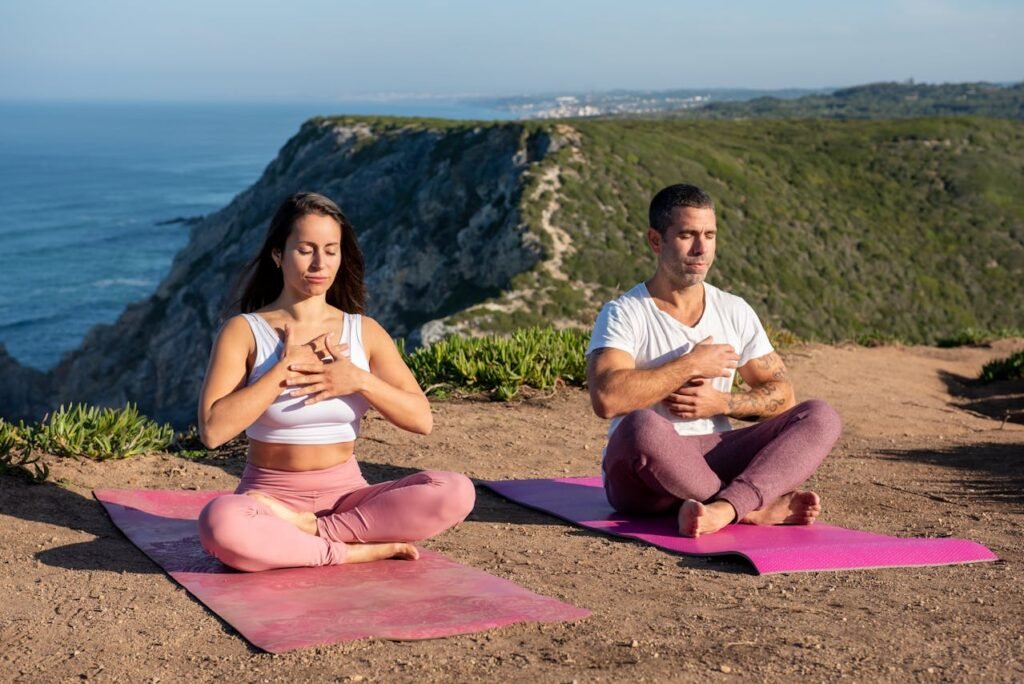
You don’t need to sit on a cushion to practice mindfulness for beginners. You can weave it into your existing daily habits. Try yoga for beginners to combine movement with awareness, or apply it to your meals. Conscious living includes mindful eating—savouring every bite and listening to your hunger cues, which can improve nutrition and mind balance.
The Psychology Today database highlights that even brief moments of mindfulness, like taking three deep breaths before answering an email, can improve psychological well-being. This form of self-care is accessible to everyone, regardless of how busy their schedule is.
Another powerful tool is gratitude journaling. By focusing on what you are thankful for, you shift your brain’s bias from the negative to the positive. You can find templates for this in our guide to gratitude journaling. Over time, this helps with habit building and creates a more optimistic outlook, as noted by researchers at Harvard Health.
Frequently Asked Questions (FAQs)
Can anyone practice mindfulness?
Yes, absolutely. Mindfulness for beginners is designed for everyone. It does not require any specific religious beliefs or physical abilities. If you can breathe, you can practice mindfulness. For those dealing with specific conditions, Bupa UK offers advice on adapting techniques for various needs.
How long does it take to see results?
While some people feel an immediate sense of anxiety relief, the most significant changes in cognitive health and emotional regulation usually appear after 8 weeks of consistent practice. Studies found on ScienceDirect show that “Mindfulness-Based Stress Reduction” (MBSR) programmes typically follow this timeframe.
What if I can’t stop my thoughts?
The goal of mindfulness for beginners isn’t to stop your thoughts—that is impossible! The goal is to change your relationship with them. Instead of getting “hooked” by a thought, you acknowledge it and let it go. Expert advice from Psych Central suggests that the “struggle” to focus is actually the workout that strengthens your brain.
Are there apps that can help?
Many people find guided meditation apps helpful when starting out. They provide structure and breathwork exercises that keep you on track. You can check out recommendations from the Mental Health Foundation or explore our tips on habit building to make your practice stick.
Is mindfulness safe for everyone?
For most people, it is very safe. However, if you have a history of severe trauma, it is best to practice under the guidance of a professional. Institutions like Johns Hopkins Medicine suggest that trauma-informed mindfulness can be beneficial but should be approached carefully.
The Takeaway
Embarking on a journey of mindfulness for beginners is one of the most rewarding things you can do for your psychological well-being. By embracing present moment awareness, you give yourself the gift of peace in an often chaotic world. Remember, it is a practice, not a perfect. Every time you bring your attention back to your breath, you are winning. Start today, stay curious, and be kind to yourself as you explore the incredible power of the mindful mind.